The complete guide
Parc Floral de La Source: the complete guide to gardens, the Loiret spring and a family visit
Choose the right season, understand the Loiret spring and plan an unhurried half-day among gardens, water and family discoveries.
South of central Orléans, Parc Floral de La Source changes the pace of a city break. Instead of another street of stone façades, you find a river emerging into daylight, changing garden collections and shady paths that invite you to stop. It is an especially rewarding outing when you plan around what is actually open and flowering. Arriving with a summer photograph on your phone and assuming that the butterfly house operates throughout winter is a recipe for disappointment. This guide helps you choose a season, an entrance, a realistic route and the right ticket.
Practical information was checked on 10 November 2026. Published prices and opening periods refer to the stated season; they are not confirmed 2027 arrangements. Our three-day Orléans itinerary explains how the park fits into a longer stay. Give it an unhurried half-day where possible, rather than squeezing it into the final minutes before a train.
The essentials before you set out
The park is on Avenue du Parc Floral in the La Source district, not beside the central Loire quays. Its appeal is the combination of planted gardens, the emerging River Loiret and a mature landscape. Around 35 hectares are advertised, which does not mean every visitor should attempt every path. It does explain why a visit can last much longer than a quick photograph of a flowerbed. Benches make pauses easy, while the change in level between the upper and lower areas makes route planning useful with a pushchair or mobility aid.
| Question | Useful answer |
|---|---|
| Where? | Avenue du Parc Floral, 45100 Orléans. |
| How long? | Allow roughly two to three hours for selected highlights, or half a day with lunch and rests. These are planning suggestions. |
| Public transport? | Tram A to Parc Floral, followed by the walk to the appropriate entrance. |
| Book ahead? | Check the ordinary ticket product; groups and special events have separate arrangements. |
| First task? | Download the map and check the facilities open on your actual date. |
How the 1967 Floralies shaped today’s park
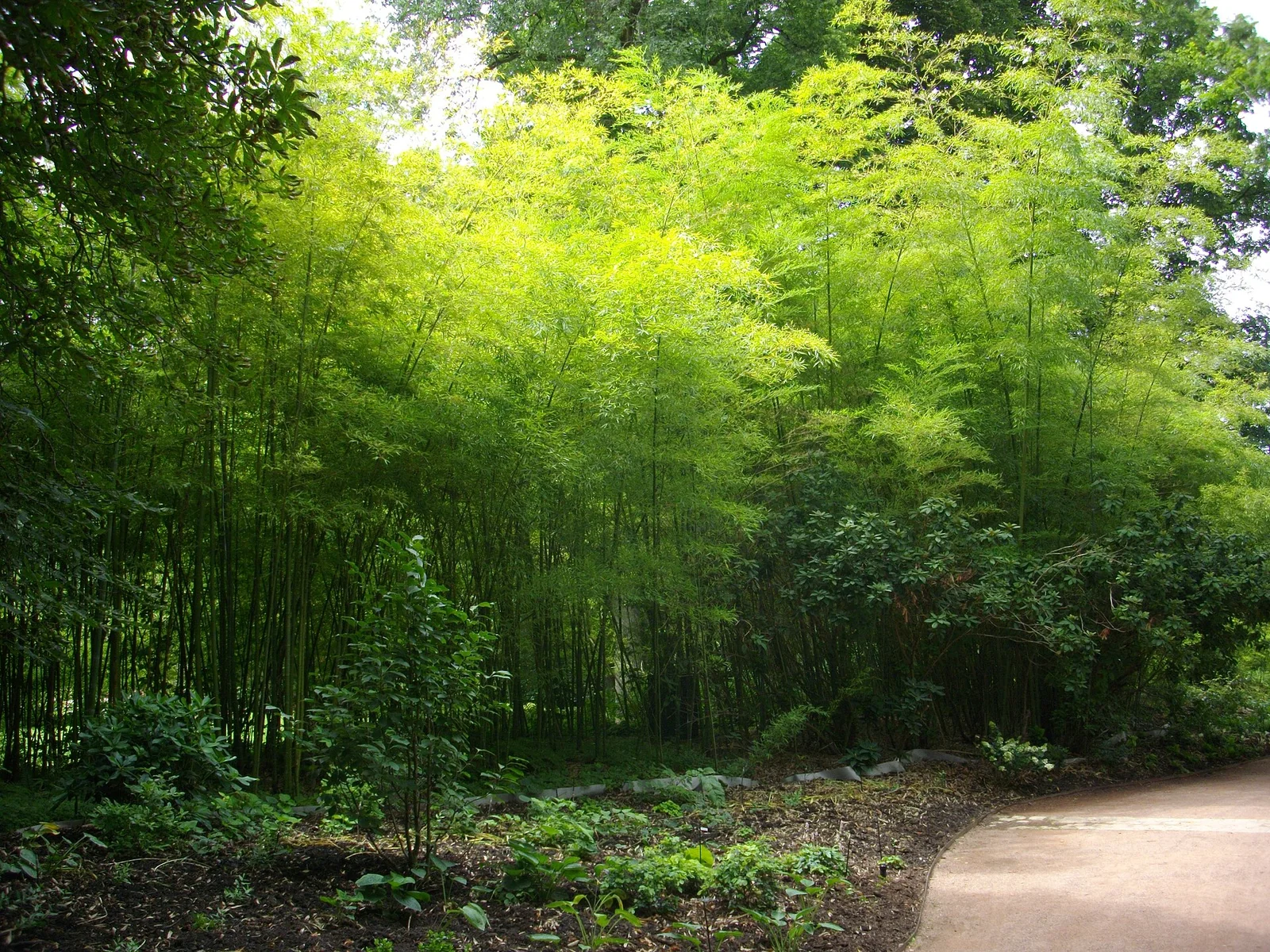
The international Floralies held from 22 April to 15 October 1967 played a major part in shaping the grounds. This horticultural event established more than beds of colourful flowers: it helped organise views, movement and the relationship between learning and leisure. The park’s official historical account explains that ambition. The landscape has continued to evolve, so today’s visit should not be described as an unchanged reconstruction of the exhibition.
Look for the dialogue between buildings and planting. Broad views, open lawns and sheltered transitions are part of the design, even when few flowers are in bloom. Compare traces of the earlier estate with later garden features; this gives a winter walk a much richer purpose. The small chapel belongs to the site’s longer history. Its official page also discusses restoration and Pierre Zanzucchi’s work on the glazing in 2019. Check whether the interior can be visited before planning it as a stop. A building marked on a map is not necessarily an attraction with continuous public access.
Le Bouillon: seeing the Loiret emerge
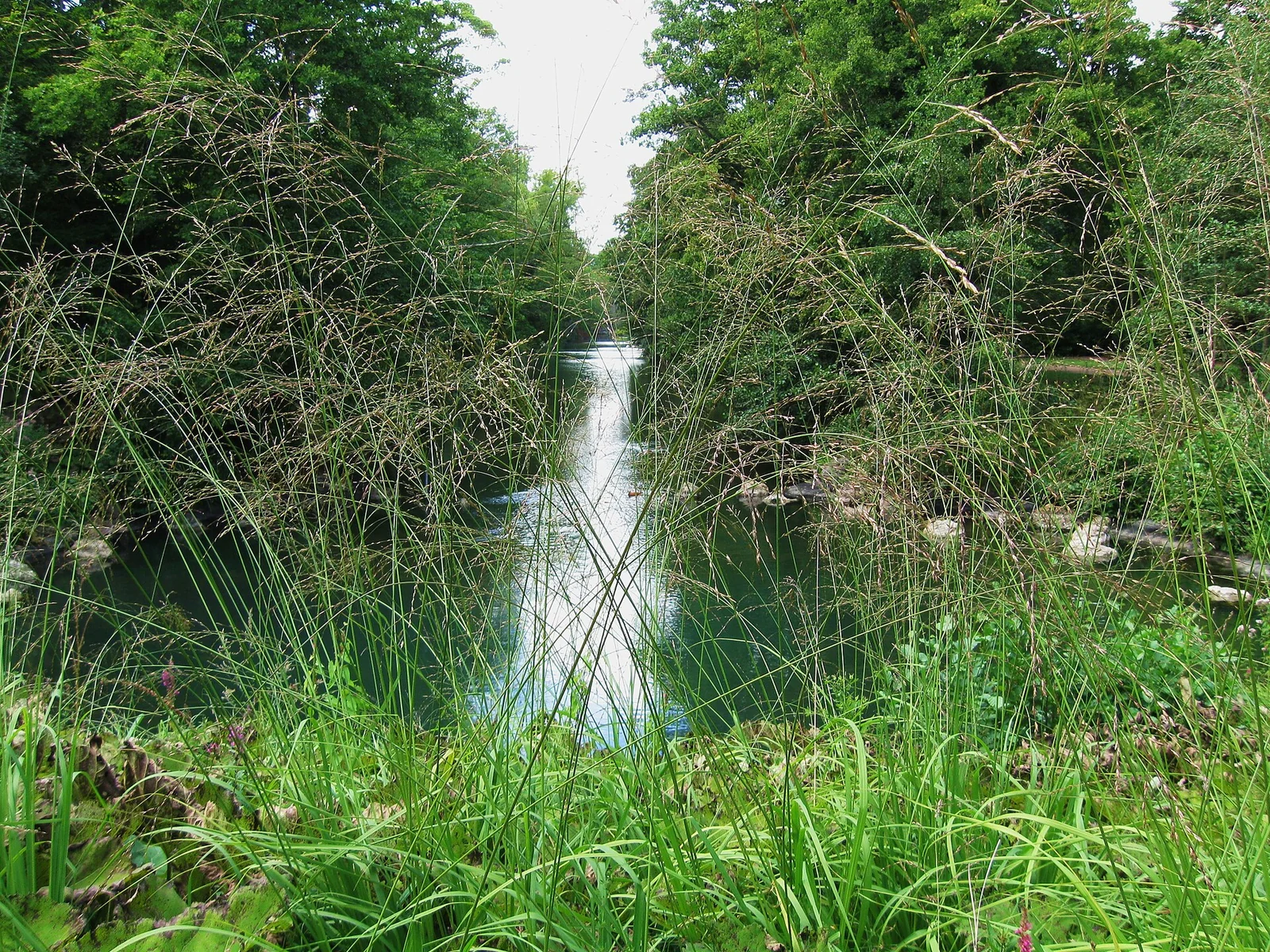
The park’s most distinctive sight is Le Bouillon, the principal visible spring of the Loiret. This is not the source of the Loire. The Loiret is another river, linked to the local underground water system. That distinction matters: you are watching water reappear and begin to shape a landscape, rather than simply admiring a decorative pond. The park brochure describes a resurgence of Loire water. For scientific detail, read the explanatory panels instead of relying on dramatic stories about a mysterious bottomless hole.
Stay on the authorised path, approach quietly and compare the movement of the surface with the calmer stretches nearby. Reflections can make the water appear still until you stop and look properly. With children, ask where the water seems to be moving and follow that movement with your eyes. This is a more useful activity than trying to get as close to the edge as possible. Do not cross barriers for photographs or feed wildlife. If the water story interests you, the Loire riverbank guide suggests a separate central walk. It is a different experience and should not be confused with the spring inside the park.
Choose a season for what you want to see
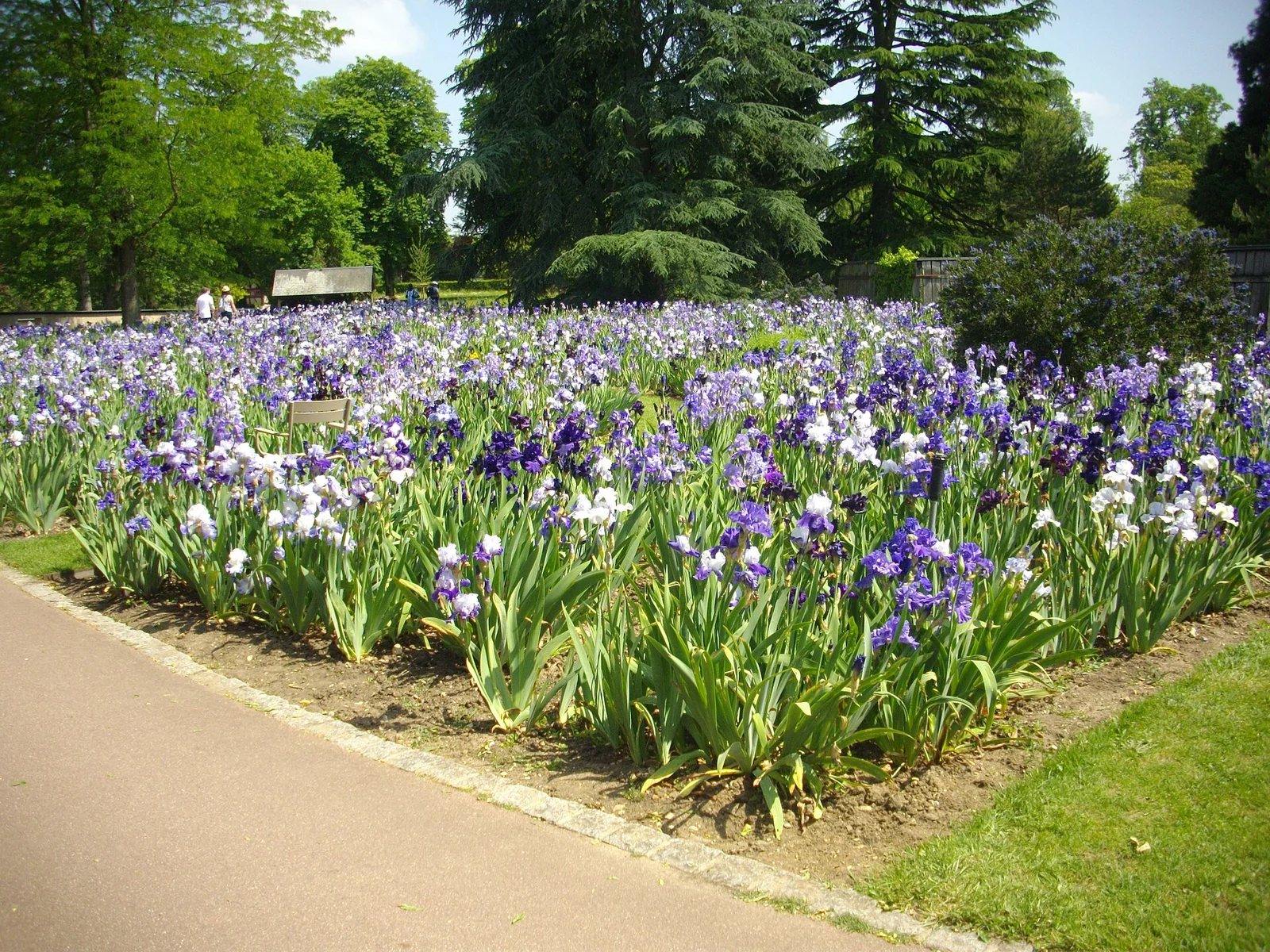
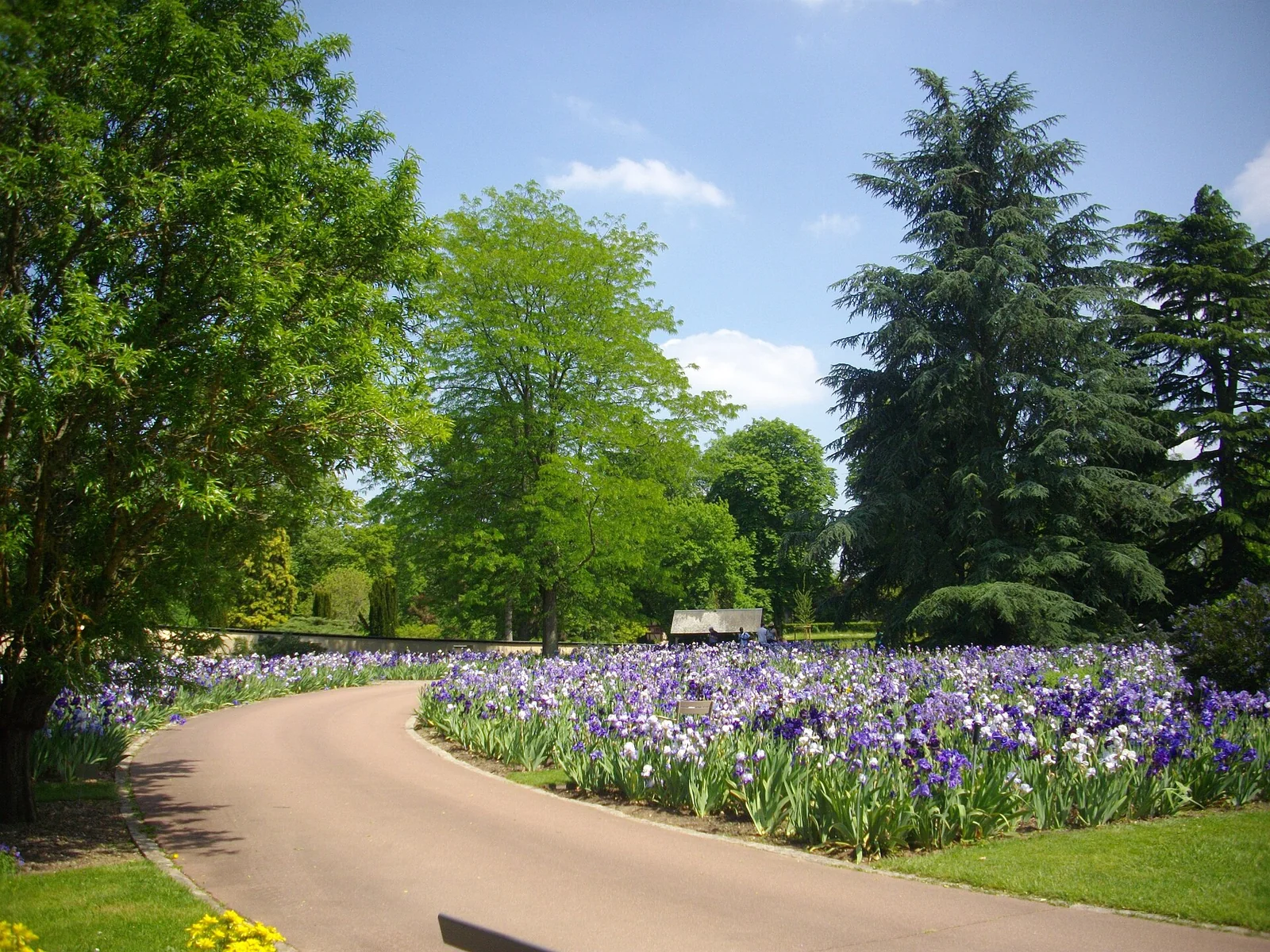
Start with your interests, then choose the date. Spring rewards visitors who enjoy rapidly changing colour, while late spring particularly suits iris enthusiasts. Summer allows a leisurely combination of gardens and breaks, although heat makes drinking water and shade essential. Early autumn brings another palette and lower light. Winter is about trees, water and the structure of the grounds, with reduced services. It is not simply a free version of the summer attraction with everything else unchanged.
The 2026 brochure gives mid-May to early June as a guide for irises, June to September for roses and mid-July to mid-October for dahlias. Treat those periods as horticultural guidance, not a flowering guarantee for a particular day. Warm spells, cold nights and rainfall can all shift a display. If one collection is the reason for your trip, ask the park shortly beforehand how it currently looks. Do not make a closed butterfly house your assumed rainy-day fallback. A genuinely indoor alternative is the Orléans Museum of Fine Arts, planned separately with its own closing days in mind.
How to enjoy the gardens without rushing them
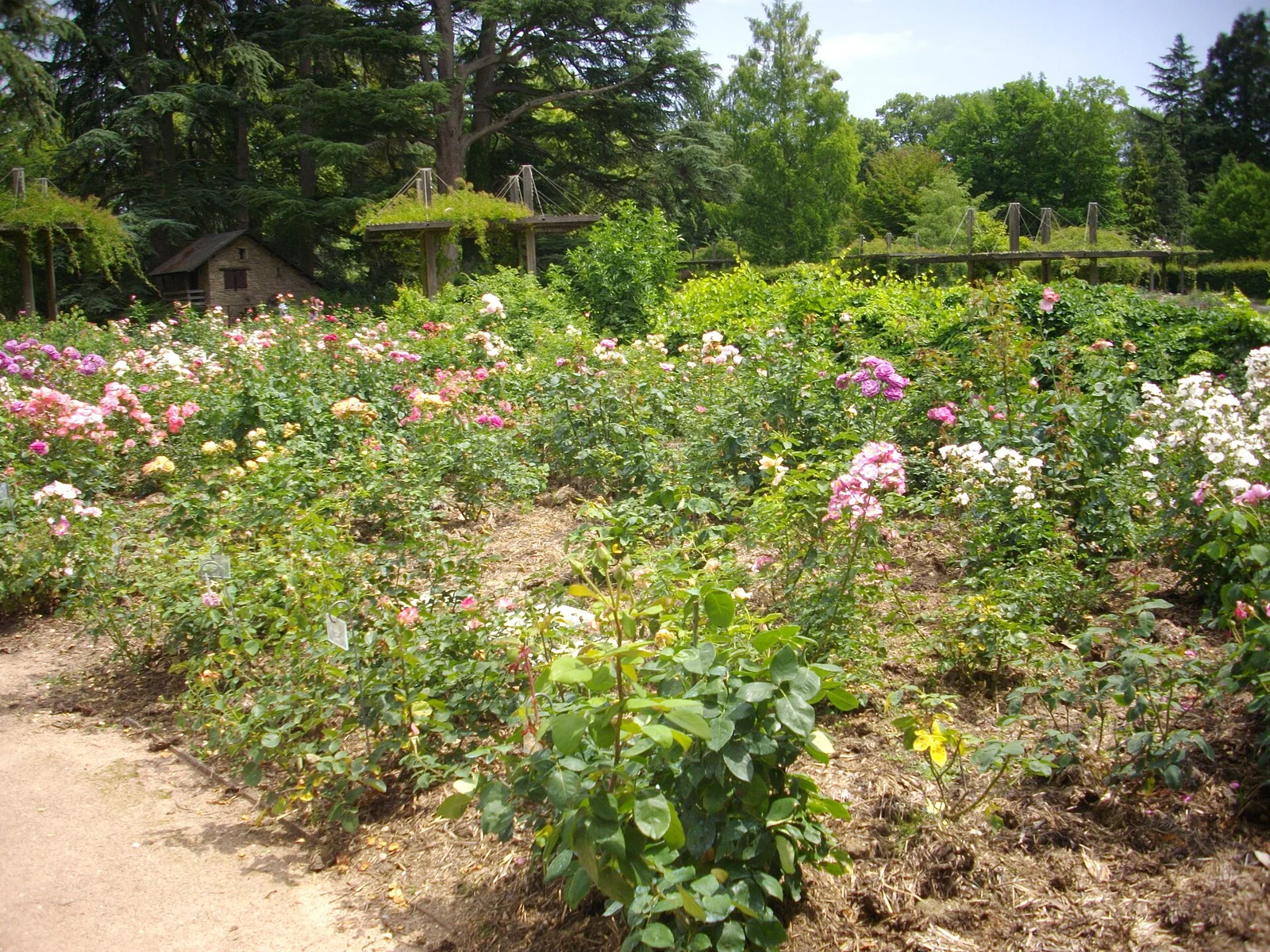
The iris garden, rose garden, perennial borders, kitchen garden and dahlia displays offer different ways of looking. In a collection, compare individual flower shapes and growth habits. In a broad border, step back to notice repeated colours and the way one planting leads into another. At the kitchen garden, examine the arrangement of crops and herbs. Botanical knowledge is optional: choose two or three details that interest you, then let labels and interpretation develop that first impression.
A useful circuit avoids constant backtracking. Identify your priority garden and the spring on the entrance map, then connect them by a comfortable route. Add a third area only if time, weather and energy allow. Gardeners may want to photograph a plant label alongside the specimen, so the name remains useful later. Other visitors can tell the story just as effectively with one wide view and one close detail. Stay out of planted beds and leave flowers where they grow. Even an abundant-looking patch forms part of an actively managed display, and its appearance depends on visitors respecting the edges.
The butterfly house: access and expectations
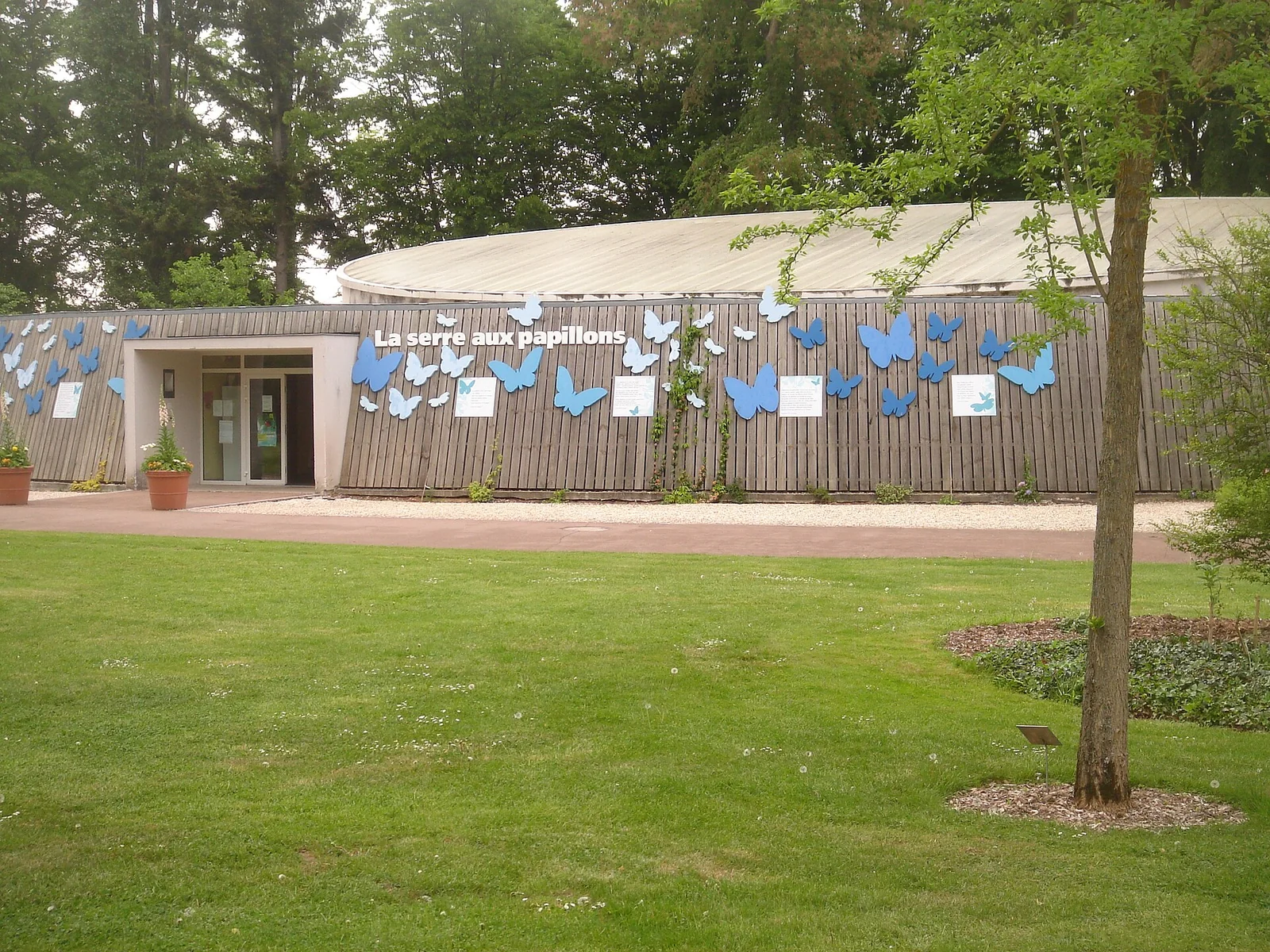
The butterfly house is one of the park’s best-known attractions, but it follows its own season and operating conditions. The official practical page says it is included in ordinary admission when open. The winter information announces closure from 2 November 2026. Buying a product found through an old search result therefore does not establish that the greenhouse will be accessible on your date. Evening festivals and other special events must also be read according to their own conditions.
If it is open, enter slowly and follow staff instructions and the direction of movement. Avoid touching butterflies or plants. The change in temperature and humidity can be noticeable, so clothing that is easy to adjust is sensible. For photographs, wait for a butterfly to settle instead of chasing it around the space. Children can look for colours or camouflage without trying to catch anything. Dogs are excluded from the butterfly house even when short-leaded dogs are permitted in the outdoor park. Visitors travelling with an assistance animal should discuss suitable arrangements with reception beforehand rather than assuming that every area operates under identical rules.
Opening hours: season, winter and last admission
The dated municipal brochure provides the clearest seasonal breakdown found during research. It lists 10 am–7 pm from 20 March to 27 September 2026, then 10 am–6 pm from 28 September to 1 November. From 2 November 2026 until March 2027 it gives noon–5 pm, free admission and closure of the butterfly house and Parasols. Christmas Day and New Year’s Day are listed as closed. Admission ends one hour before closing, so arriving at 4.30 pm in winter is not a workable plan.
The general website and a tourism database do not always show the same seasonal transitions. The practical response is to call before a winter or special-date visit and ask three precise questions: when is the final entry, which facilities are operating, and is any weather-related closure in force? Closing time should never be the moment you expect to begin walking back from the far side of the grounds. Leave time to reach the exit, collect your bicycle or walk to the tram. Event calendars can also have separate entrances and ticket requirements; ordinary daytime hours do not replace those details.
Published prices and the real cost of a visit
The following amounts describe the published 2026 individual prices, not a confirmed tariff for the next season. Official ticketing lists adult admission at €6.50 for 27 April–1 November. The brochure gives €5.50 for 20 March–24 April. The intervening 25–26 April dates need checking against the garden event calendar rather than extending either price line yourself. Free winter access is a different arrangement with fewer facilities, so it should not be compared to a full summer day without that qualification.
| Visitor or product | Published price | Check before purchase |
|---|---|---|
| Adult in the stated main period | €6.50 | Exact dates and any special event. |
| Child aged 6–16 | €4.50 | Age and evidence required. |
| Child under six | Free | Conditions for the chosen visit. |
| Student aged 17–25 | €4.50 | Valid student identification. |
| Family, two adults and two children | €20 | Eligible ages and family composition. |
| Disabled visitor | Free under the stated evidence rules | Reception arrangements. |
The accessibility page specifies free entry with a valid MDPH card and a €5.50 companion rate, issued on site rather than through online ticketing. International visitors should ask which documents are accepted. Mini-golf, pedal vehicles, food and some festivals can add to the total. Separate admission, transport, meals and optional activities when setting a budget. This avoids comparing a family’s complete day with the advertised price of entry alone. Read validity and exchange conditions before paying, and do not assume a discounted online ticket can be corrected afterwards.
How to book the correct product
- Begin on the official practical page and follow its link to metropolitan ticketing.
- Read the product name, operating season and exclusions. An ordinary ticket excluding festivals is not admission to an evening concert.
- Count visitors by the correct age category and choose a reduction only when you can produce the required evidence.
- Check validity, any time slot and modification conditions before making payment.
- Save tickets for offline access and keep supporting documents with them.
If an applicable concession does not appear online, contact reception rather than automatically buying a full-price ticket and expecting reimbursement. Some categories are handled at the entrance. Schools, associations and other groups should use the dedicated reservation route, because guide availability and group conditions cannot be inferred from individual ticket stock. A purchase confirmation proves that a transaction succeeded; it does not prove that every garden service will operate on the day. Weather notices and current information remain relevant, particularly near seasonal changeovers.
Getting there by tram, bicycle or car
For visitors based in the centre, tram A to Parc Floral is a straightforward starting point. Use the Tao network to calculate the actual journey, planned works and return service. The stop has the park’s name, but you still need to allow for the final walk and choose the correct entrance. The practical page also mentions bus 40; because routes can change, a dated journey search is more dependable than an old screenshot. Leave a margin if you are arriving from a mainline train rather than scheduling an activity immediately after a connection.
Cyclists can use local routes linking the centre with La Source. Select a route suited to your experience instead of following the shortest line on a map, and bring a lock. Parking a bicycle without obstructing other visitors also takes a little time. For drivers, the official page describes large free parking areas, but free parking does not mean a reserved space or access beside every garden. Use this map search for the main entrance, then follow local signs. If the lower entrance on Rue du Gobson is preferable for mobility reasons, confirm that it is open on your date before relying on it.
🗺️ Your planning map
Load the map when you need it, or open directions directly. Loading the map connects to Google Maps.
Open in Google Maps ↗Two suggested routes at a comfortable pace
🗺️ A selective visit of around two hours
Spend the first few minutes reading the map and identifying toilets and exits. Visit your priority garden, continue to the spring and leave time to sit by the water. Add another collection on the way back rather than crossing the whole park again. This plan values observation over the number of places ticked off. It can work for someone who walks slowly if the distance is genuinely shortened, rather than simply expecting them to cover the same circuit faster. In winter, build the visit around trees, paths and water instead of closed seasonal services.
🌿 A half-day with lunch and breaks
Add a meal, the kitchen garden or another flowering area, and one optional activity whose opening has been confirmed. Avoid filling the entire morning if a demanding monument visit follows. A garden is more enjoyable when stopping does not jeopardise the next booking. On a different day, combine the Old Town walking route with the historic rooms of Hôtel Groslot. Those central visits complement La Source without requiring an extra cross-city journey during an already crowded half-day.
Visiting with children without overloading the day
Give children a light task: spot three different leaf shapes without picking them, watch the spring or compare a flower with its label. Alternate looking with movement. A succession of signs can be more tiring than a longer path, while a playground does not remove the need for close supervision near water. Keep children within sight, explain boundaries and avoid leaving responsibility with an older sibling while adults concentrate on photography. A short visit can be excellent if everyone leaves with one vivid memory.
With a pushchair, plan the connection between the upper and lower park and ask for the surfaced route. Carry drinking water, a spare layer and a suitable snack, especially outside the operating season for cafés. Mini-golf and pedal vehicles are separate activities whose availability and cost should be checked; the official page describes mini-golf from age seven. Do not promise an activity before confirming it. If someone becomes tired, drop an area rather than speeding up every stop. Discuss a simple meeting point with older children, and keep the entrance map available without depending entirely on mobile reception.
Accessibility: choose the route as well as the ticket
Most paths are described as suitable for wheeled access, and the park publishes a specific connection between the upper and lower areas through the mini-farm and playground zones. That does not make every shortcut, garden edge or optional activity equally convenient. Check the map, explain the type of mobility aid you use and ask about a realistic loop. A lower entrance may avoid unnecessary slopes. Useful questions concern surfaces, gradients and available toilets, rather than a single general claim that the park is completely accessible.
The official accessibility page announces wheelchairs available free of charge, subject to availability, with a form and identification as a deposit. It also describes adapted toilets. Confirm arrangements before relying on a loan for the whole visit. Ask which facilities remain open in winter: a toilet symbol on a map does not establish that the associated building is operating. Visitors sensitive to crowds, greenhouse heat or loud events can choose a quieter period and retain an outdoor alternative. Contacting reception with a specific need is more effective than assuming that an accessibility label covers every personal circumstance.
Food, weather and practical comfort
During the main season the park lists Parasols du Parc and food trucks, but their hours and presence vary. Check the day’s information before depending on lunch inside the grounds. A picnic is more predictable if you use authorised areas and take rubbish away. For a fuller meal in town, the Orléans food guide helps you choose a neighbourhood and a suitable style of dining. It is rarely worth interrupting a relaxed park visit with a long journey simply to buy a snack.
In warm weather, bring water, a hat and appropriate sun protection. When paths are wet, shoes with a reliable sole improve comfort around garden areas. Strong winds or thunderstorms justify checking with the park before leaving, since mature trees and outdoor spaces create safety constraints. Do not assume the butterfly house is an always-open shelter. Dogs must be controlled and kept out of excluded areas. The park describes itself as non-smoking: follow the current rules and keep the atmosphere calm around animals. Small preparations make it easier to enjoy the place without turning the outing into a rigid timetable.
Common mistakes and a final checklist
The most avoidable mistake is trying to see everything during the final admission hour. Others include confusing free winter entry with full-season facilities, promising butterflies during a closure, or selecting an awkward entrance for a pushchair. A summer photograph should not become an absolute expectation for an autumn visit. Also check that information really concerns La Source in Orléans: other places called Parc Floral, including Paris, have different prices and programmes. Keeping the correct official page bookmarked is a simple way to avoid that confusion.
A simple family calculation before choosing extras
For two adults and two eligible children, compare the €20 family product with separate 2026 main-season tickets: two adult tickets at €6.50 and two child tickets at €4.50 total €22. The difference is €2 before transport or optional activities. This is an arithmetic example based on the published categories, not a quotation for your particular family. A child under six, a valid concession or a different combination can change which choice is useful. Check eligibility rather than assuming that a product labelled family is always the cheapest. In winter, the free-entry arrangement removes this admission calculation but does not restore closed facilities. Keep a small margin in the day for a missed tram or an extra rest, because protecting the pace of the visit often matters more than adding another paid activity.
Official sources for updating your plans
Use the city’s 2026 brochure, the park’s practical information and accessibility page, and Orléans Métropole ticketing for operating details. For historical context, read the park’s pages on the 1967 Floralies and the chapel. Conditions checked on 10 November 2026 should be revisited for another season. Distinguish an annual brochure, a general webpage and a one-off event: that distinction is often what prevents an unnecessary journey.
Frequently asked questions
How long should I allow for Parc Floral de La Source?
Allow roughly two to three hours for selected gardens and the Loiret spring. Half a day gives more room for lunch, children and rests. These are suggested timings, not an official duration for every visitor.
Is entry free in winter?
The city’s 2026 brochure lists free entry from 2 November 2026 until March 2027, noon–5 pm, with the butterfly house and Parasols closed. A tourism database gives different hours, so confirm the day’s arrangements with reception.
Does an ordinary ticket include the butterfly house?
The park says it is included when open. Winter information announces its closure from 2 November 2026. A festival ticket or old search result should not be taken as proof that the greenhouse will be accessible.
How do I reach the park from central Orléans?
Tram A serves Parc Floral. Include the final walk to your chosen entrance, and use Tao for current services, works and the return journey. The park is in La Source, south of the historic centre.
Can I bring a dog?
The park permits dogs on a short lead outside excluded areas, but not in the butterfly house. Check reception’s arrangements for assistance animals and any special event restrictions.
Is the park suitable for wheelchairs and pushchairs?
Most paths are described as suitable for wheeled access, with a specific route between upper and lower sections. Ask about the best entrance, surfaces and facilities open that day rather than assuming every shortcut is equally convenient.
When are irises, roses and dahlias in flower?
The 2026 brochure suggests mid-May to early June for irises, June–September for roses and mid-July to mid-October for dahlias. Weather can shift these periods. Ask shortly before travelling if one collection is your main reason to visit.
Must I buy online?
Check the day’s official ticket product first. Certain concessions and disability arrangements are handled at reception rather than online. Groups and some events use separate reservation procedures.