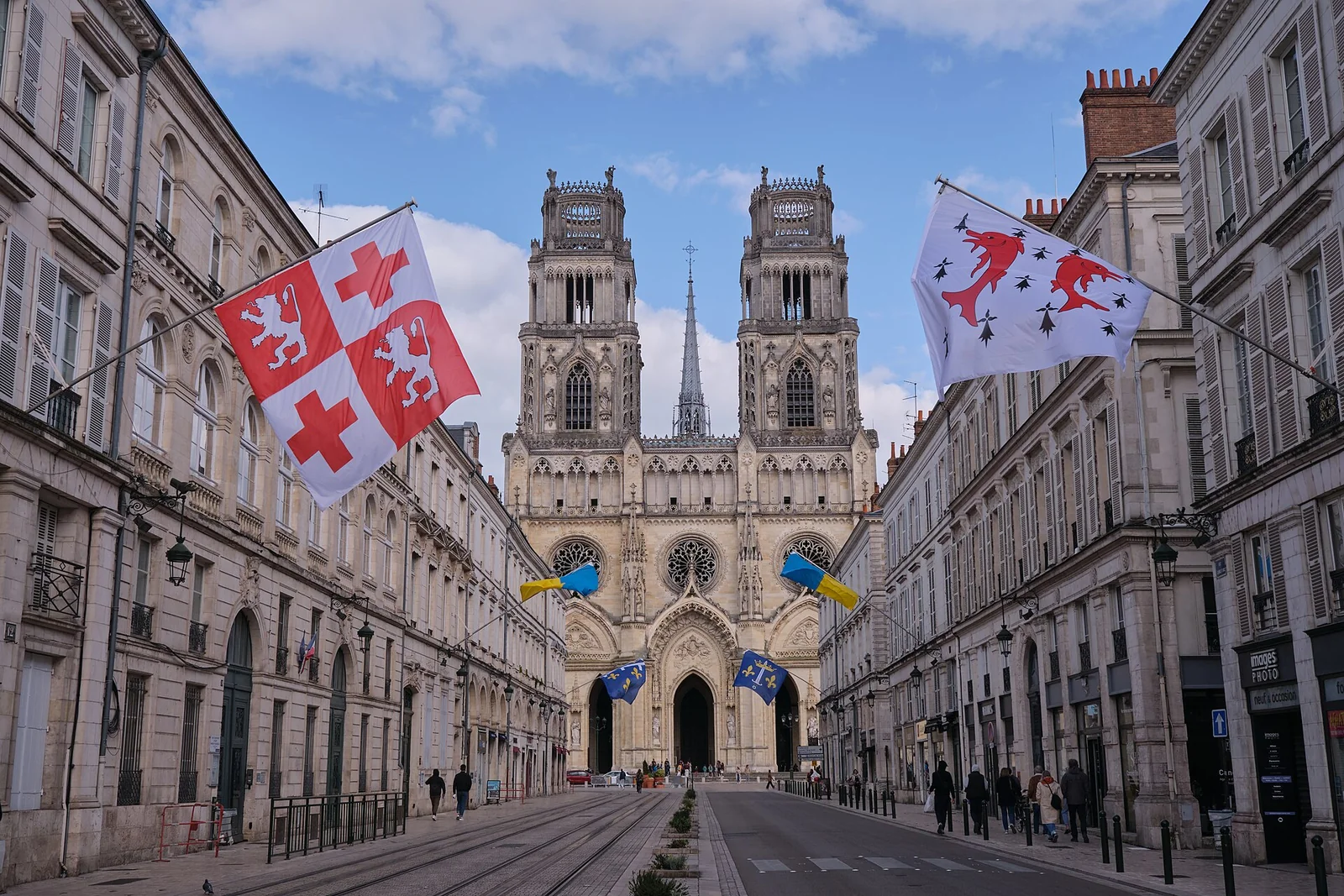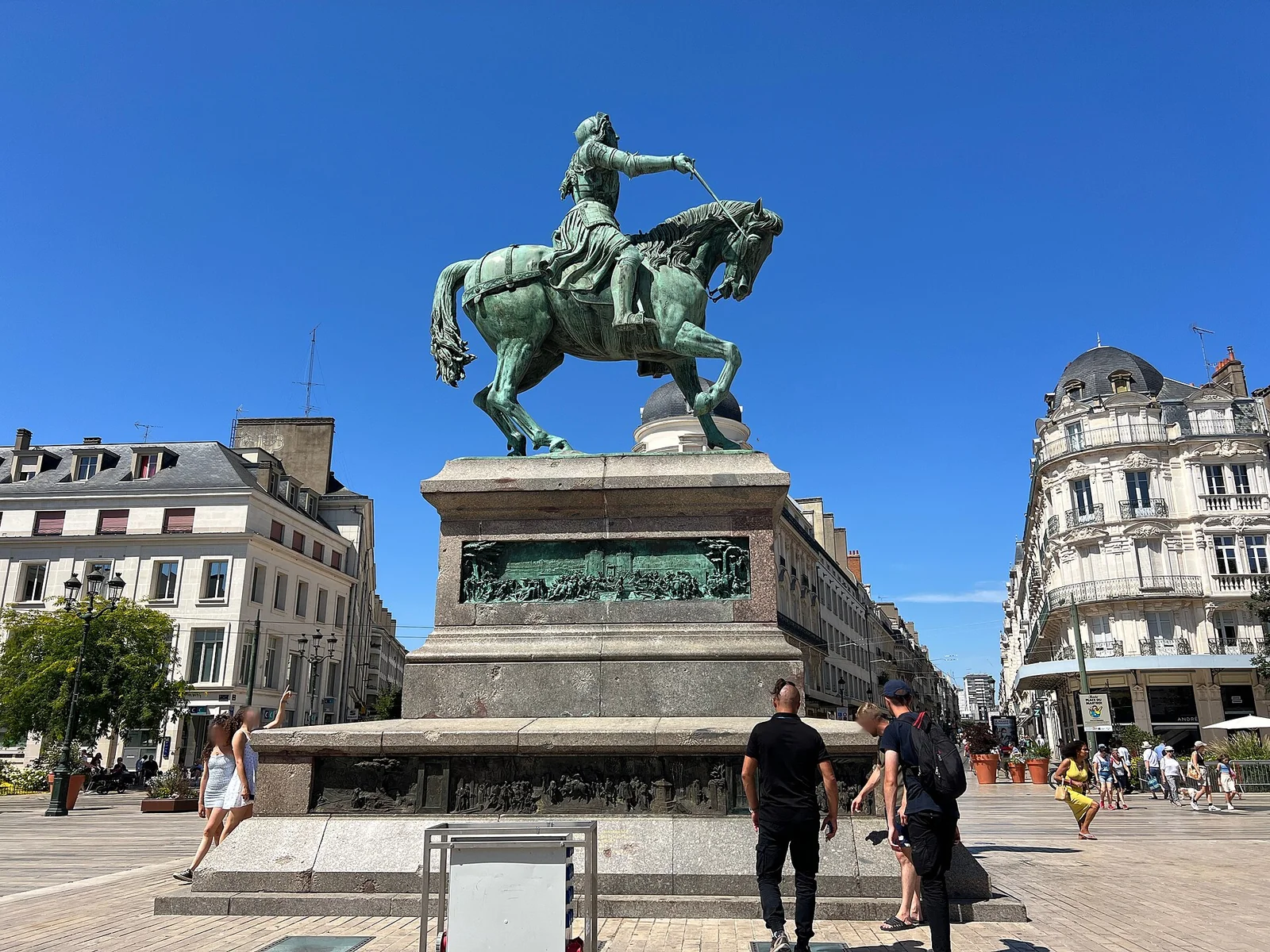
The complete guide
Where to eat in Orléans: restaurants, markets and local food
Explore Orléans through its riverside market, old-town restaurants, vinegar makers and quince sweets. A practical food guide with market days, direct restaurant links and a flexible itinerary.
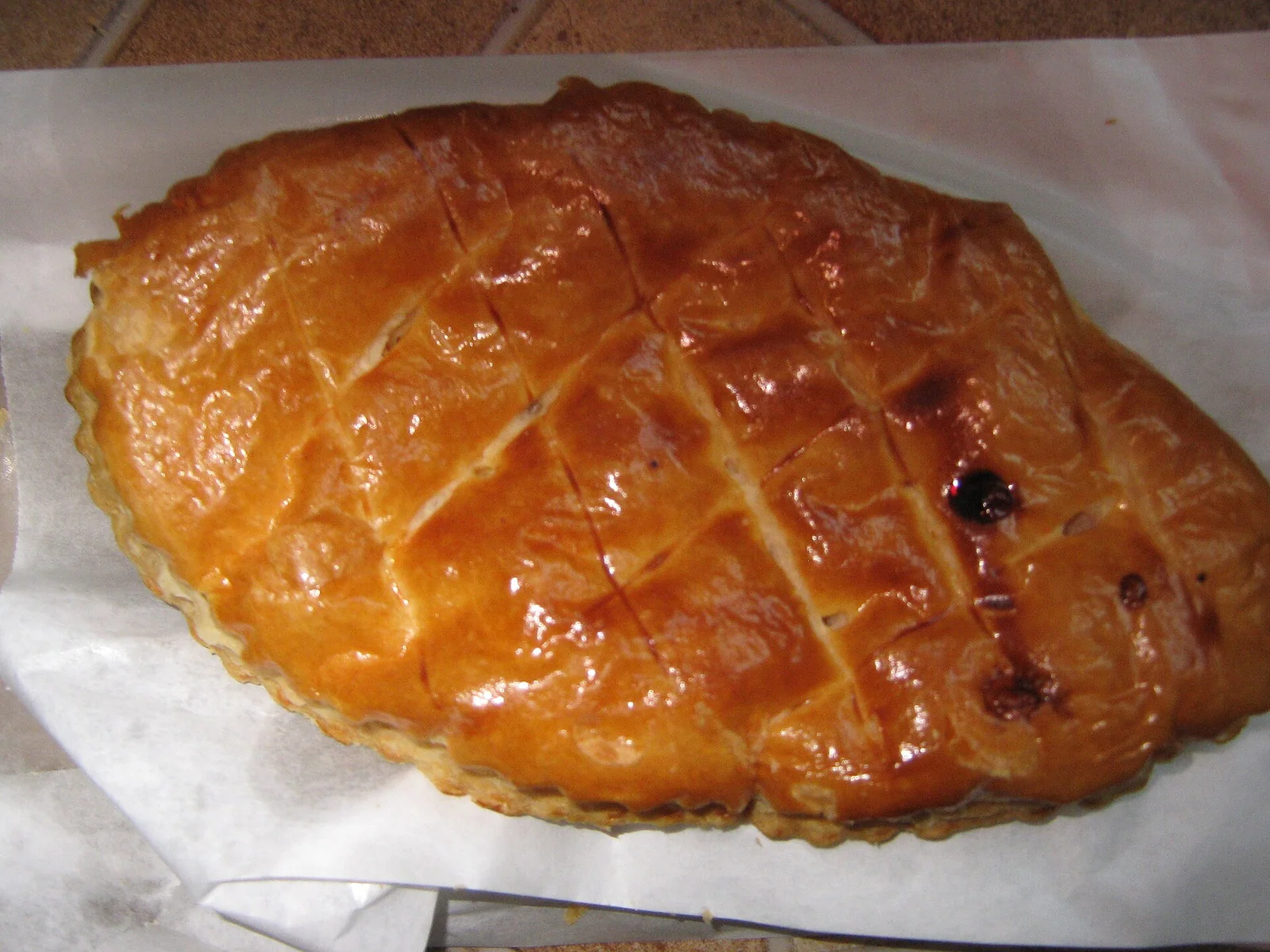
Eating in Orléans can be a way of exploring the city: vinegar matured in wooden barrels, a little box of quince confectionery, a Saturday market beside the Loire and dinner in the old centre. The useful questions are where to go, which day to choose and what is genuinely connected with the area. This guide combines identifiable products, restaurants with their own current information and a workable food itinerary. Practical details were checked on 10 November 2026; menus, availability and special opening arrangements still need checking for your travel dates.
1. Choose the meal that fits your day
Start with your sightseeing plans rather than a list of twenty restaurants. A quick lunch between monuments requires a different arrangement from an evening devoted to a tasting menu. If you visit the cathedral in the morning, the Châtelet area makes a convenient direction for lunch and the river afterwards. If you are leaving for a château, eat before travelling or book at your destination. Do not put a long, unconfirmed meal immediately before a timed admission ticket.
| Your priority | A suitable approach | Check first |
|---|---|---|
| A straightforward lunch | A short restaurant menu in the centre | Last orders and likely meal duration |
| Local products | A market and a producer’s shop | Market day, storage and tasting arrangements |
| A special dinner | A restaurant reserved in advance | Menu, deposit and dietary requirements |
| A riverside break | Food that is ready to eat | Weather, packaging and somewhere suitable to sit |
Use our three-day Orléans itinerary to place a food experience in a sensible part of your stay. A reservation then becomes a helpful anchor rather than a reason to cross the city halfway through an otherwise pleasant walk. Keep a realistic margin for browsing, finding the entrance and settling in.
2. How the Loire shaped the food story
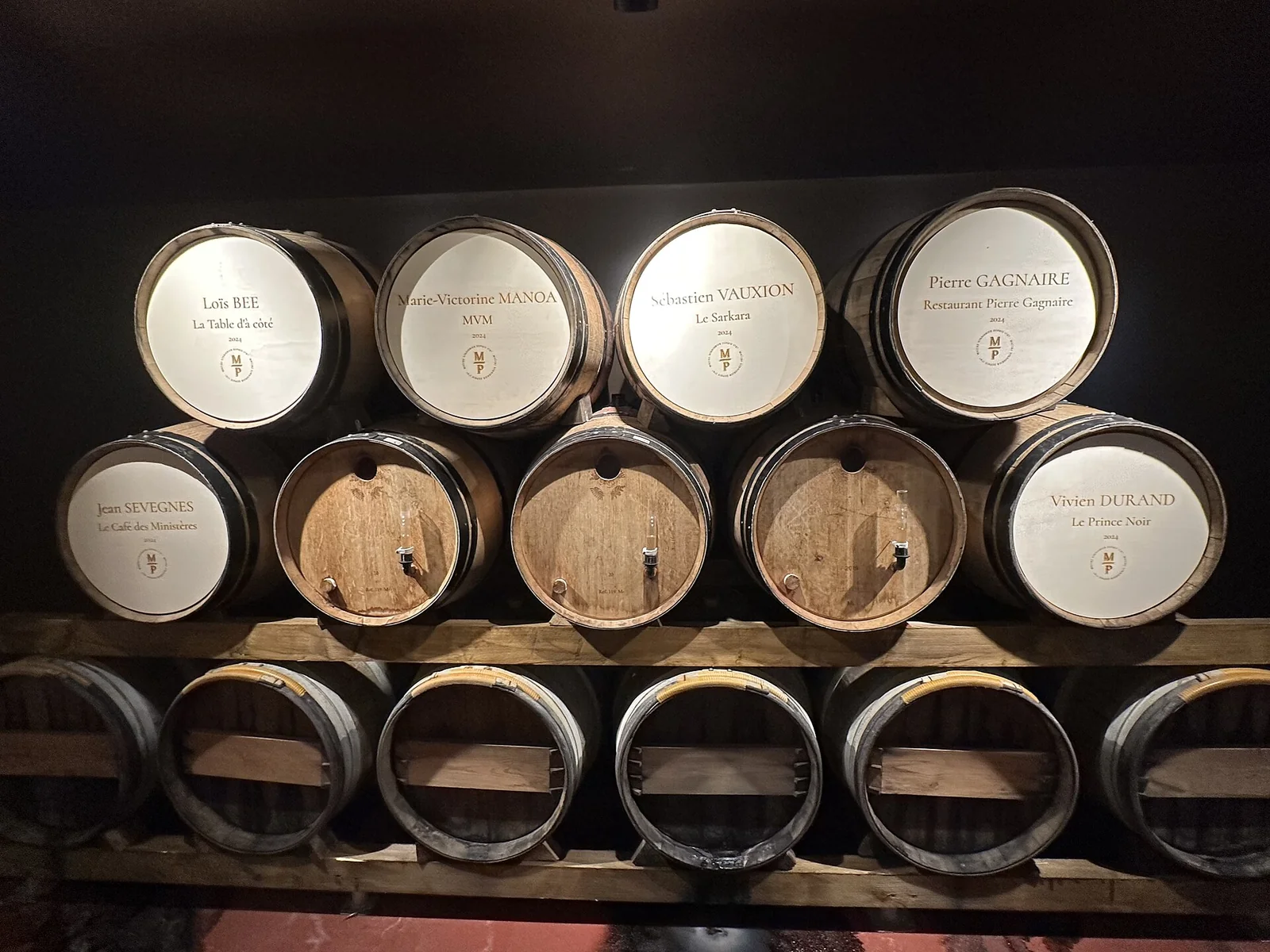
The Loire is central to understanding Orléans and its vinegar tradition. Trade along the river, including the movement of wine, helped create the conditions for a specialist craft. It is too simplistic to reduce that history to a story about unwanted wine: fermentation and maturation produce a deliberately made food, with methods and choices that affect its flavour. Martin-Pouret, founded in 1797, explains its continuity and approach on the producer’s own website.
The relationship between trade and food still makes a useful walking theme. The quays suggest the movement of goods, the market halls organise everyday shopping and the old streets now accommodate many styles of cooking. Contemporary food with influences from elsewhere can be as interesting as a historic recipe. Look for what a business actually explains about its ingredients, seasonality and techniques rather than treating a traditional-looking sign as proof of local sourcing.
3. Local products worth recognising
For a first visit, choose three different things: a condiment, something sweet and a fresh ingredient for a proper meal. Vinegar or mustard introduces the local craft tradition; cotignac offers a distinctive quince flavour and texture; a cheese or market preparation helps assemble lunch. Ask about ingredients before buying several items that all end up playing the same role in your picnic.
Geography matters. A Loiret speciality is not necessarily manufactured inside the city boundary, and that does not make it uninteresting. Cendré d’Olivet belongs to the area’s cheese story and is a cow’s-milk cheese: do not assume every small ash-coated cheese is goat’s cheese. The Tourisme Loiret guide to local produce helps place these names in their regional setting. Read the actual maker and place of production on the label.
At a counter, ask three useful questions: where is it made, how should it be served, and how should it be kept until this evening? Those answers are more useful than simply choosing the most attractive packaging. Buy for the day you have planned before buying for an imagined feast that your room, schedule or luggage cannot accommodate.
4. Discover vinegar in a dish
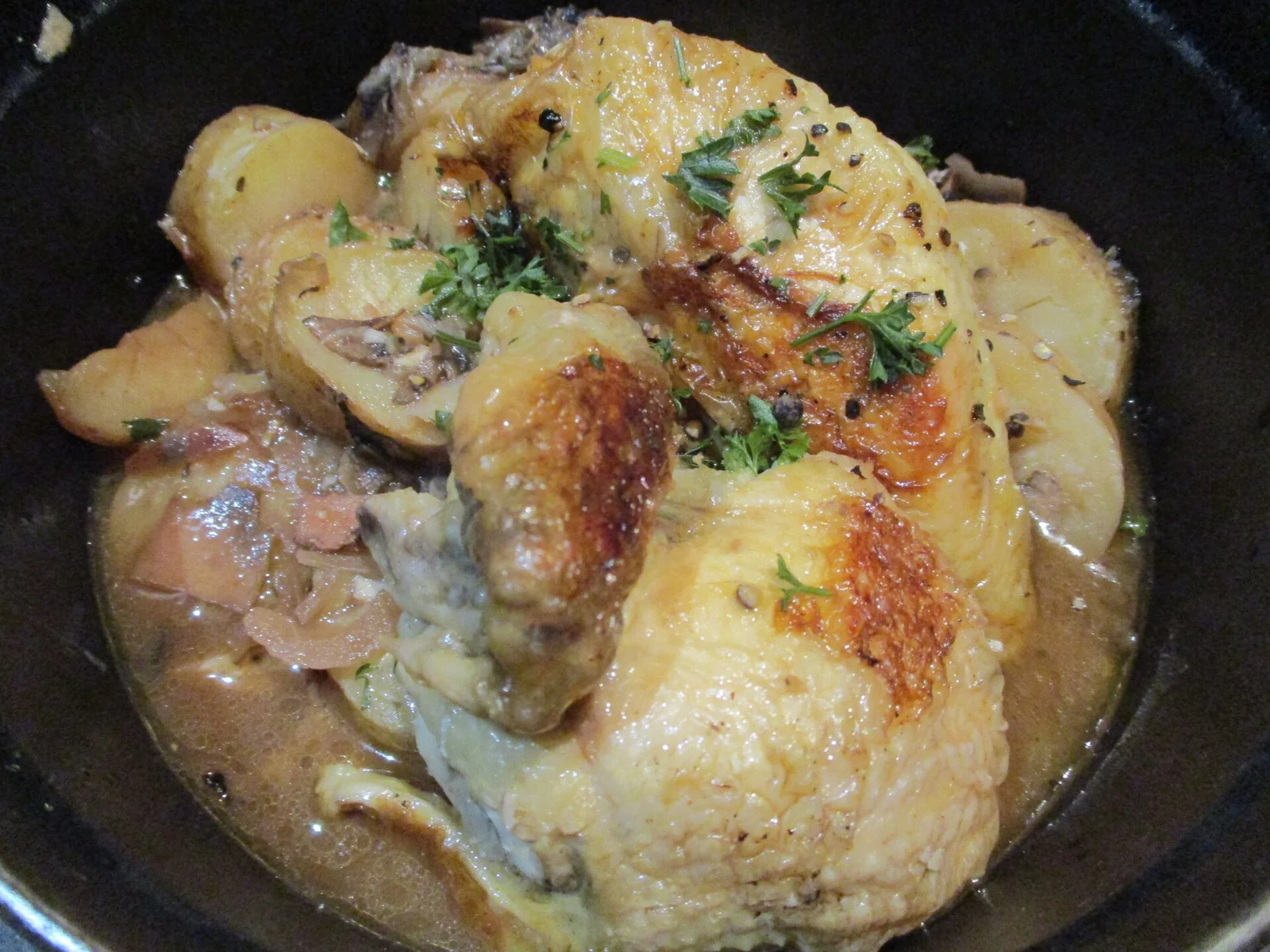
Vinegar is not only something to take home in a bottle. A sauce, dressing or cooked preparation can show how acidity changes the balance of a dish. If a menu specifically mentions Orléans vinegar, ask how it is used: in a reduction, seasoning, marinade or sauce. Chicken cooked with vinegar is a useful possibility when it is actually on the menu; do not assume that every restaurant serves it throughout the year.
If your accommodation has a kitchen, start with a small amount in a simple dressing and adjust after tasting. Aroma and balance matter as well as acidity. Before buying several large bottles, think about kitchen equipment, suitable containers and your onward journey. A small bottle you will use is often a more satisfying souvenir than a selection you cannot carry comfortably.
A producer visit can explain the food before you start cooking with it, but it is a separate outing from lunch. On a short visit, the central shop and a conversation with its staff provide a practical introduction. Allow enough time to look at the differences between products rather than buying in a hurry on the way to a train.
5. Martin-Pouret: shop or vinegar-factory visit?
The official Orléans shop is at 11 Rue Jeanne-d’Arc. Its published opening hours are Tuesday–Saturday, 09:00–19:00, closed on Sundays and Mondays. This is the easy choice during a walk between the cathedral and the old centre. You can compare the range, ask how to use a product and purchase without adding a separate excursion. The listed telephone number is +33 2 38 62 19 64.
The vinegar-factory tour is booked separately in Boigny-sur-Bionne. The official visit page describes a roughly 45-minute tour, available Tuesday–Saturday by reservation, including a tasting. Published admission is €5 for adults, €3 for children aged 10 and over and free for ages 6–9. The page does not clearly define the arrangement for children under six; ask rather than assuming it is identical.
6. Cotignac: what is inside the little box?
Cotignac is a quince confection, described by the tourism shop as sitting between a jelly and a fruit paste. Its small spruce-bark box, often associated with Joan of Arc imagery, makes it an easily recognised food souvenir. The name here refers to the sweet, not to the village of Cotignac in the Var region of southern France.
The official Orléans Métropole shop lists cotignac from Maison Gouchault, made in Lailly-en-Val, in 40 g, 80 g and 160 g formats. Select the actual size to check the price: a default amount on a product page does not automatically apply to every variant. For gifts, individual small boxes make distribution easier and preserve the connection between the confection and its packaging.
Ask about the best-before date, storage and ingredients, especially when buying for somebody else. A sealed box does not establish suitability for every diet or allergy. When tasting, try a small piece and notice its quince aroma and texture rather than expecting a boiled sweet. It works as a small discovery; it does not have to become a second full dessert after a large lunch.
7. Saint-Fiacre’s oval cake and seasonal baking
The ovale de Saint-Fiacre is connected with the horticultural celebrations of the Saint-Marceau district. The city’s Saint-Fiacre presentation refers to this speciality and its sale during the festivities. That gives you a question to ask a baker, not a promise that the same cake will be in every shop window all year.
Do not automatically label every golden pastry cake a pithiviers. The product’s name, filling and tradition should come from its maker. Regional pastries can look similar while having different recipes and associations. Ask what is inside, which ingredients matter for your group and how many people the chosen size is intended to serve. A family-sized cake is less useful for two travellers without suitable storage.
Outside a particular festival, a well-made pastry of the day is a better choice than spending hours chasing a name. Choose it in relation to the rest of your food plans. A shared afternoon treat fits neatly around the garden at Hôtel Groslot, while a delicate chilled preparation may require an earlier return to your accommodation. Let the baker’s practical advice shape the purchase.
8. Wine, beer and alcohol-free choices
Orléans and Orléans-Cléry are also wine-appellation names. For a precise introduction, ask for the full appellation and the producer instead of ordering an unspecified “Loire wine”. The INAO description of Orléans-Cléry identifies a dry red wine made from Cabernet Franc; the appellation was recognised in 2006. This does not describe every Loire wine or all the wines of the neighbouring Orléans appellation.
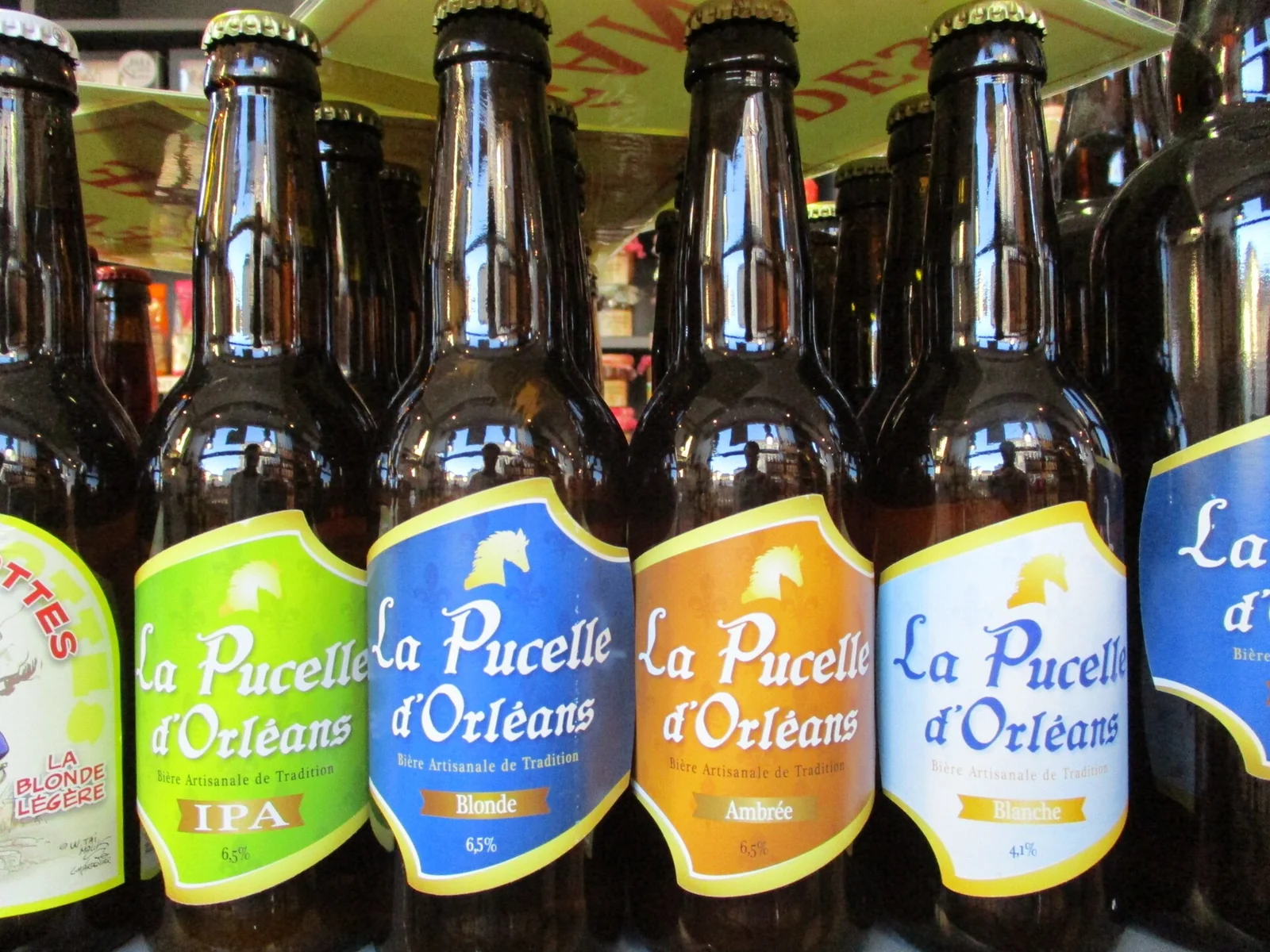
A glass can be enough to explore a pairing if that appeals to you. Check the serving size and price before ordering. Apply the same curiosity to a beer described as local: which brewery, where is it made and what style is it? A bottle in a photograph or an old article is not evidence that the same reference is currently stocked at every bar.
Alcohol-free diners can take part in the same exploration through water, juices, a house-made drink or another current option. Ask whether a sauce or dessert contains alcohol if that matters to you. Good food combinations involve flavour and texture as well as wine; there is no need to order a bottle merely because the meal is meant to be special.
9. Market days and opening times
The city’s official market timetable is the starting point for choosing a day. These are general trading windows, not a guarantee that every stall opens and packs away at exactly the same minute. Arrive in good time for a particular purchase and check special arrangements for public holidays or events.
| Market | When | Location or purpose |
|---|---|---|
| Halles Châtelet, food shops | Tuesday–Saturday 08:00–19:30; Sundays and public holidays 08:00–13:00 | Place du Châtelet, central food shopping |
| Quai du Roi | Saturday 07:30–12:30 | A morning market beside the Loire |
| République | Wednesday 15:00–19:30 | An afternoon shopping option |
| Martroi, food market | Friday 16:00–21:00 | A late-afternoon or evening stop |
| Madeleine | Sunday 08:00–12:30 | Allée Pierre-Chevallier |
An evening trading window does not promise a full cooked dinner at any time within it. Look at the actual stalls and keep a fallback. If you have a kitchen, write a short list — main ingredient, vegetables, bread and fruit — rather than buying unrelated products that leave you with excess food on departure day.
10. How to enjoy the Quai du Roi market
The Quai du Roi market changes the scale of a city visit. It occupies the riverside area between Pont Thinat and the Cabinet Vert; the official Tourisme Loiret listing confirms Saturday morning trading. Treat it as a proper riverside outing rather than a five-minute detour from Place du Martroi. Check your starting point and the walking route before setting off.
Make a first pass to compare what is available. Notice whether prices are per item or by weight, read origins and identify food that is actually ready to eat. Then return to buy. Take fragile and chilled goods last and plan how to get them back appropriately. A stall selling raw ingredients does not necessarily provide cutlery or turn them into a takeaway lunch.
With children, two short stops can work better than a long queue at one counter. Our Loire riverside guide offers ideas for continuing the walk, but adapt them to the weather and the weight of your shopping. Carrying the weekend’s groceries is not the ideal starting point for an ambitious extra walking circuit.
11. Halles Châtelet and the renovation timetable
Halles Châtelet is a useful place to assemble a meal in the centre. The published food-shopping hours run until 19:30 from Tuesday to Saturday and until 13:00 on Sundays and public holidays. Individual counters may have their own arrangements. The fact that a building is open does not establish that the particular trader you want is serving at that moment.
For a future stay, read the latest municipal update before arriving. Access points, pedestrian routes and available businesses can change as a major project develops. Follow recent on-site signs rather than an old screenshot. This is particularly important if you are planning accessible access or arranging to meet somebody at a specific entrance.
12. Choose a neighbourhood as well as a restaurant
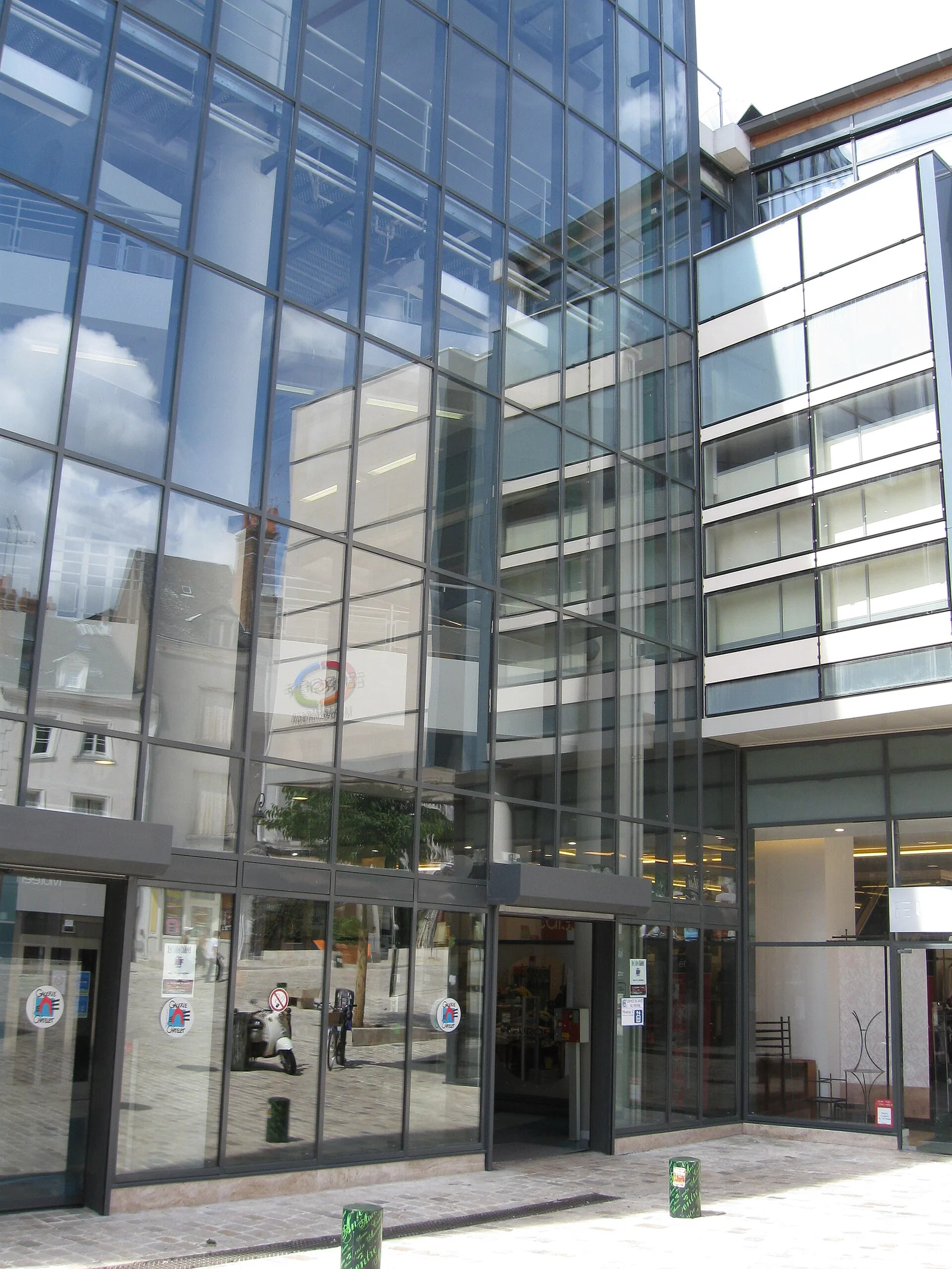
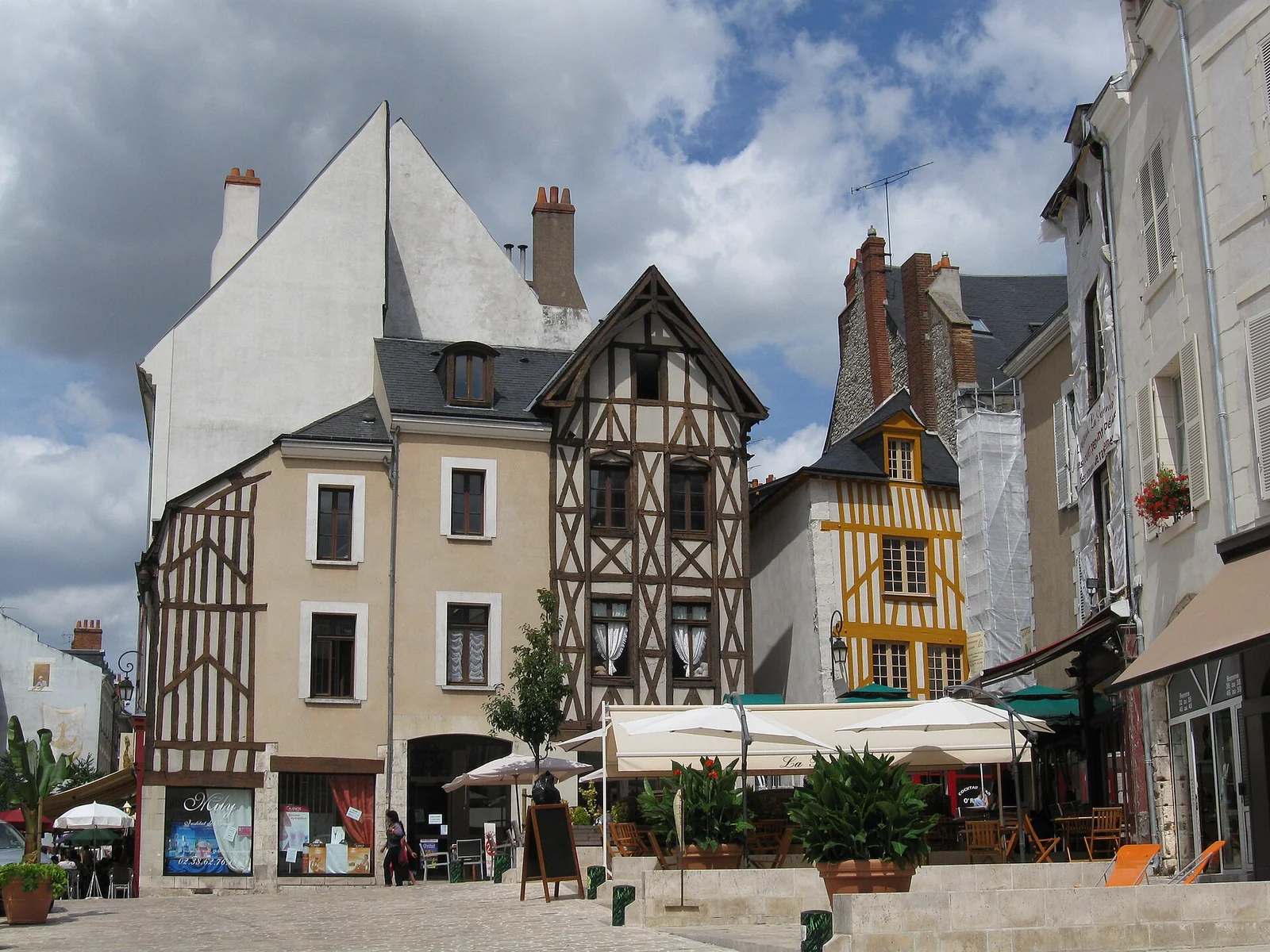
The Châtelet area works well for a day that combines food shopping, the old town and the Loire. Rue de Bourgogne and its surroundings fit a heritage walk; Rue Jeanne-d’Arc links a producer’s shop with the cathedral. Martroi is an easy meeting landmark, but the first terrace you see is not automatically the right choice for a particular cuisine or a quiet conversation.
South of the river, Saint-Marceau offers a different setting, especially when exploring its horticultural associations. La Source needs its own day plan. For the Parc Floral, organise food around the services actually operating in the season. A summer refreshment option should not be assumed open in November. Check before leaving the centre rather than discovering a closed facility when everyone is hungry.
Identify two realistic choices in the same area: your main reservation and a nearby alternative. This is more useful than ten restaurants spread across the city. Our old-town walking route helps connect food streets with architecture and small squares, reducing unnecessary backtracking while leaving room for an unplanned bakery stop.
13. Three restaurants with different identities
These businesses have their own websites, allowing you to check their current offer directly. They are useful comparisons rather than a ranking based on a meal we claim to have eaten. Menus change, so read the current card and confirm availability before making a restaurant the centrepiece of your evening.
| Restaurant | Why consider it? | Practical check |
|---|---|---|
| Le Lièvre Gourmand, 28 Quai du Châtelet | Chef Tristan Robreau, local and Asian influences | Official menu; closed Mondays, Tuesdays and Wednesday lunchtime |
| La Parenthèse, 26 Place du Châtelet | Seasonal traditional cooking, presented as homemade | Confirm menu and service directly: +33 2 38 62 07 50 |
| L’Hibiscus, 175 Rue de Bourgogne | A 24-cover room and seasonal menu | Monday–Friday 12:00–13:00 and 20:00–21:00 as published; closed weekends |
At Le Lièvre Gourmand, telephone-answering windows should not be confused with seating times. The website also announces annual closure from 4 to 19 January 2027. For L’Hibiscus, consult the restaurant’s own menu page. A price mentioned in a customer review is not an official current menu price.
14. Book carefully and read what is included
Give the date, preferred time, party size and any particular requirements when booking. For a group, wheelchair, pushchair or allergy, contact the restaurant rather than relying only on a comment box that might be read late. Get a reply. Submitting a request is not always the same as receiving a confirmed table, especially through a form that requires subsequent acceptance.
Read the menu structure: number of courses, fixed or free choice, supplements, drinks, water and any pairing. Ask whether everyone must take the same menu and whether an adapted option needs advance notice. If you have a performance or a train afterwards, tell the restaurant your required departure time. It can judge whether the intended meal is compatible with that deadline.
Before leaving a deposit or card guarantee, check cancellation deadlines and no-show conditions. Save the confirmation so that it is available offline. These small steps make arrival easier and avoid renegotiating an unsuitable menu at the table. They matter particularly on holidays, when a special menu can replace the normal offer even if an old menu remains visible elsewhere online.
15. Build a budget from the actual choices
A useful meal budget includes the meal and its additions. A menu price does not automatically cover everything you might order. Compare complete lunches with complete lunches: starters if wanted, main course, selected dessert, drink and stated supplements. This guide does not replace official restaurant menus, and it does not present an unverified restaurant amount as a current rate.
For planning, make your own example: allocating €25 for food, €6 for a drink and €4 for a later snack produces an allowance of €35 per person. These are assumed budgeting figures, not prices charged by the restaurants listed. Replace them with the amounts on the menu you actually consult. At a market, include quantity as well as the unit price: a price per kilogram is not the price of your purchase until the weight is known.
16. Ask specific dietary questions
“Vegetarian”, “vegan” and “gluten-free” do not answer every practical question. Ask about a sauce’s stock, garnishes, cooking ingredients and possible contact between preparations. A dish without visible meat may contain a meat-based stock, and a dessert without wheat flour may be made in a kitchen that handles it. Clear questions help the kitchen explain what it can genuinely provide.
For an allergy, name the ingredient and ask whether the team can manage that requirement. A market seller and a restaurant server may not hold the same information; a written ingredient list or confirmation from the kitchen is more reliable than a guess. If the answer remains uncertain, choose another preparation or another establishment rather than treating silence as a guarantee.
Use the same care for gifts. A pastry’s name or shape does not provide its complete composition. Ask for information you can pass to the recipient. Adaptations are best agreed before service, particularly in a small dining room or with a set menu, giving the professional time to propose an option that really works.
17. Children, wheelchairs and comfort
For children, meal length and timing matter as much as the food. Ask whether a smaller portion or a simple dish is actually available; do not assume a children’s menu exists. Bring a quiet activity for a longer meal. An early seating can be helpful if the restaurant offers it, but arriving before its service begins does not create one.
For accessibility, ask about the entrance, steps, passage width, space at the table and toilets. Historic streets are attractive, but a handsome façade says little about the interior layout. An accessible terrace does not guarantee suitable toilets, and a ground-level entrance does not describe every dining room. Explain the equipment and space you need so that staff can give a useful answer.
Martin-Pouret’s factory tour is a specific exception: the visit page states that it is not accessible to visitors with reduced mobility. Do not automatically apply that statement to the city shop; contact the shop about your requirements. For journeys between areas, use TAO Mobilités to check suitable stops and current service changes rather than relying on a static route screenshot.
18. A Saturday food itinerary
This is a suggested rhythm, with estimated planning times rather than booked slots. Around 09:00, begin at the Quai du Roi and allow roughly an hour for browsing and purchases. Return sensitive food to your accommodation rather than carrying it all day. Continue to the centre for a walk and lunch at the time confirmed by your chosen restaurant. Keep the morning flexible if a queue or conversation takes longer than expected.
In the afternoon, combine the vinegar shop with nearby heritage. The Sainte-Croix Cathedral or Hôtel Groslot varies the day without requiring another trip back to the market. For the evening, avoid stacking a long lunch, a large afternoon pastry and a tasting dinner unless that is truly your plan. Choose which meal should be the main occasion.
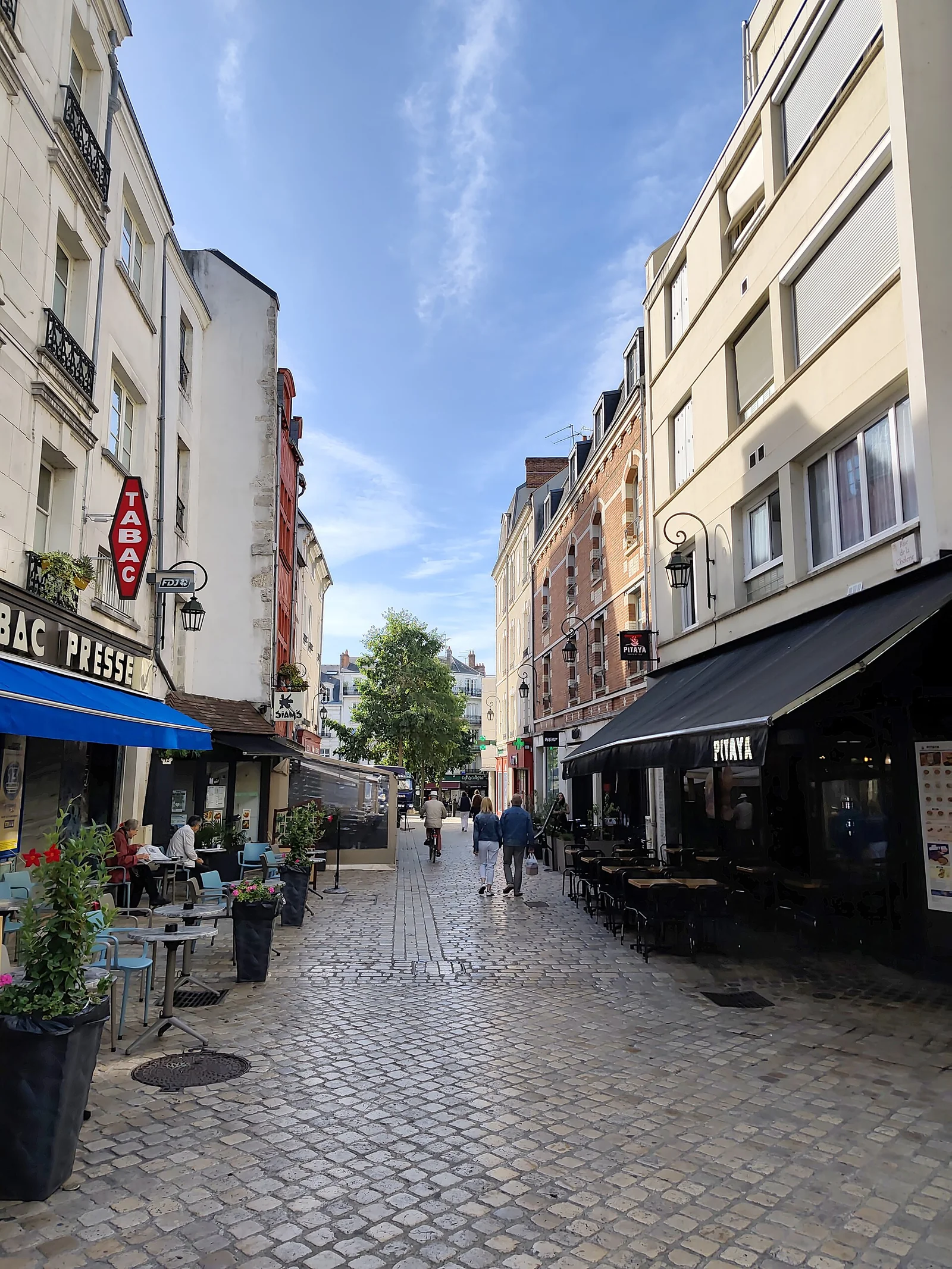
19. Mondays, Sundays and late arrivals
Mondays need a little preparation. Martin-Pouret’s central shop is closed, as are several restaurants on their weekly rest day. That does not mean eating in Orléans is impossible, but a copied list without opening days may be useless. Find a business that confirms service on your chosen day and book if that meal is an important part of the trip.
On Sunday morning, Halles Châtelet and the Madeleine market offer possibilities within the municipal timetable. Do not postpone food shopping until the afternoon assuming Saturday arrangements continue unchanged. If arriving late, contact your accommodation and chosen restaurant before travelling. A kitchen may stop taking orders well before the dining room’s general closing time, and an open door is not a promise of a full menu.
Public holidays, local celebrations and annual leave can change the picture again. Read the professional’s most recent announcement and keep an easy arrival-day fallback, especially with children or after a delayed train. Do not build the plan on an assumption that delivery services or a restaurant kitchen will operate throughout the night.
20. Plan a comfortable Loire picnic
A successful picnic starts while shopping. Buy food that is ready to eat, bring water, napkins and any cutlery you need, and carry a bag for waste. A beautiful quay does not supply a fully equipped dining table. Choose a permitted, stable place away from cycle traffic, and stay attentive to the river edge when travelling with children.
Let the weather shape the outing. Wind, rain, heat or high water can make a stop uncomfortable or unsuitable. Do not enter flooded areas; follow barriers and current local instructions. Keep sensitive products appropriately and avoid carrying them unnecessarily for hours. Ask the seller about the particular item rather than assuming every cheese, prepared dish or pastry can be handled in the same way.
In poor weather, switch to lunch indoors and a museum afterwards, such as the Musée des Beaux-Arts, after checking its opening arrangements. The food day can still work with a different rhythm. Buy less if the original picnic is no longer practical; an overfilled bag is not a substitute for a suitable place to eat.
21. Food souvenirs and a final checklist
Separate easy-to-store gifts from purchases requiring cold storage. Bottles add weight; small cotignac boxes are easier to divide between bags. Check your carrier’s rules for liquids and your destination’s import conditions instead of assuming that anything sold in a shop can travel everywhere under identical arrangements. Keep labels with products when giving them to someone else.
- ✅ Restaurant day and service confirmed; booking saved.
- ✅ Official menu read, including supplements and cancellation terms.
- ✅ Dietary, wheelchair or pushchair requirements discussed and answered.
- ✅ Correct market day selected, with a shopping bag and storage plan.
- ✅ City shop and factory distinguished; meeting address checked.
- ✅ Gift ingredients and storage instructions retained.
- ✅ Indoor alternative ready if the picnic is unsuitable.
If your next stop is one of the châteaux around Orléans, avoid a large takeaway purchase without somewhere to keep it. A small, well-chosen item travels better and preserves the pleasure of discovery. For another connection between a sweet souvenir and city history, our Joan of Arc route provides a natural continuation.
22. Official sources and final checks
This guide uses information from the city, tourism organisations, INAO and the businesses concerned, checked on 10 November 2026. Factory admission figures are published charges; meal-budget examples are explicitly hypothetical. For your date, a professional’s confirmation and current menu take precedence over an old screenshot or a price mentioned in a review.
- City of Orléans: markets and trading times.
- City of Orléans: October 2026 Halles Châtelet update.
- Martin-Pouret shops and factory visits, conditions and charges.
- Tourism shop: Maison Gouchault cotignac.
- INAO: Orléans-Cléry appellation.
- Le Lièvre Gourmand, La Parenthèse and L’Hibiscus: direct information and booking.
Frequently asked questions
Which local foods should I try first in Orléans?
Start with vinegar or mustard from a named local maker, then a small box of cotignac quince confectionery. Add a fresh market product for a proper meal. Ask where it is made, what it contains and how to store it, rather than choosing only by its packaging.
Which market should I visit on Saturday morning?
Quai du Roi market is listed on Saturdays from 07:30 to 12:30, beside the Loire in the area between Pont Thinat and the Cabinet Vert. Plan to return sensitive purchases to your accommodation before continuing on a long walk.
Is Halles Châtelet closed for redevelopment in 2026?
The municipal announcement dated 1 October 2026 places the works in 2028–2031, with businesses remaining on site. An older timetable should not be used to claim a complete closure in 2026. Check recent information for specific entrances and traders.
Can I plan a local-food day on a Monday?
Yes, but check openings carefully. Martin-Pouret’s central shop is closed on Mondays, and several restaurants have their weekly rest day then. Choose a business that confirms service on your date rather than relying on a list without opening days.
How much should I budget for a restaurant?
Use the restaurant’s current official menu and add your chosen drinks and supplements. The guide’s calculation examples are hypothetical, not prices at the listed restaurants. A customer review or old menu is not a confirmation of the current charge.
Where is the Martin-Pouret tour and what does it cost?
The vinegar-factory tour is booked in Boigny-sur-Bionne, not at the shop at 11 Rue Jeanne-d’Arc. The official page lists around 45 minutes with tasting: adults €5, children aged 10 and over €3, ages 6–9 free. Ask about arrangements for younger children.
Is the vinegar-factory tour wheelchair accessible?
The manufacturer states that the industrial route is not accessible to visitors with reduced mobility and does not admit animals. Contact the city-centre shop separately about its access; the conditions at one location do not automatically describe the other.
How should I organise a meal with allergies or children?
Contact the restaurant before booking and obtain confirmation that it can manage the ingredient concerned. For children, ask about portions actually offered and the expected meal length. Do not assume a children’s menu or automatic changes to a set menu.