The complete guide
Orléans in 3 days: the complete itinerary for heritage, the Loire and gardens
A detailed three-day Orléans itinerary with heritage walks, Joan of Arc, museums, the Loire, gardens, ticket advice and seasonal alternatives.
Three days in Orléans give you time to do more than photograph the cathedral, find a statue of Joan of Arc and tick off the Loire. You can understand the river’s role in the city, look closely at its old streets, visit a museum properly and still leave space for a garden or a relaxed meal. The historic centre works well on foot, while the Parc Floral de La Source needs a separate journey and a genuine place in the schedule.
This itinerary uses two central days and a flexible third day. Suggested walking times and visiting durations are planning advice, not admission promises. Published practical information was checked on 10 November 2026. Start with the closures that affect your dates, then move whole days around where necessary. That is much easier than discovering that your carefully timed sequence depends on a museum opening on a Monday.
1. Set the practical framework before booking
| Decision | Useful starting point | Check before paying |
|---|---|---|
| Base | Central accommodation or a start near Place du Martroi | Check-in time and luggage storage |
| Getting around | Walk between central sights; use TAO for outlying places | Disruptions and the final return journey |
| Pace | No more than two major visits a day | Meals, breaks and travelling time |
| Reservations | Train, accommodation and any special guided visit | Change and cancellation conditions |
| Culture budget | Compare tickets for the places you will actually enter | Same-day validity and discount evidence |
A Friday-to-Sunday stay lets you distribute indoor visits fairly naturally. For a Sunday-to-Tuesday stay, use Monday for streets, public spaces and an adaptable riverside walk: the Museum of Fine Arts and Joan of Arc’s House normally close that day. Do not buy a combined museum ticket assuming that you can automatically spread its use across several days.
Also decide what matters most before filling the gaps. If the cathedral is your priority, allow a second possible time to return. If the garden is the main attraction, check its seasonal calendar before fixing the rest. A strong itinerary protects your two or three main interests rather than giving every possible stop equal importance.
2. Understand the city before walking through it
Three threads make Orléans easier to read. The first is the Loire, once a route for trade and movement and still a powerful explanation for the orientation of the centre. The second is religious and royal authority, visible at Sainte-Croix and in the monumental language of the city. The third is Joan of Arc: the military events of 1429 became the basis for centuries of images, monuments and celebrations.
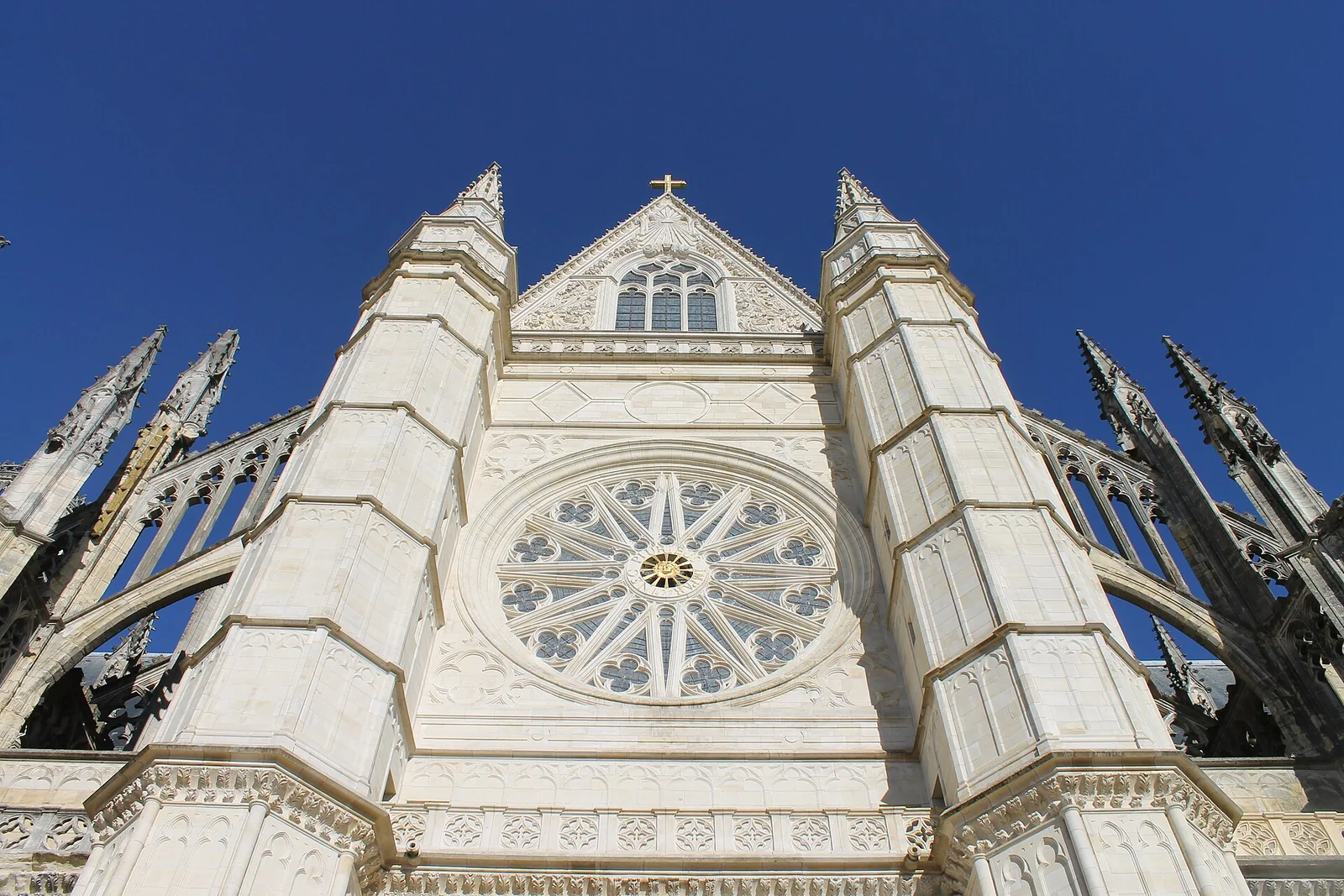
The city is not a single medieval set. Sainte-Croix’s Gothic appearance belongs to a long, interrupted building history. Reconstruction began in 1601 after the devastation of the Wars of Religion, and the cathedral was inaugurated in 1829. The French Ministry of Culture explains that context. An old architectural form does not mean that every visible stone was laid in the Middle Ages.
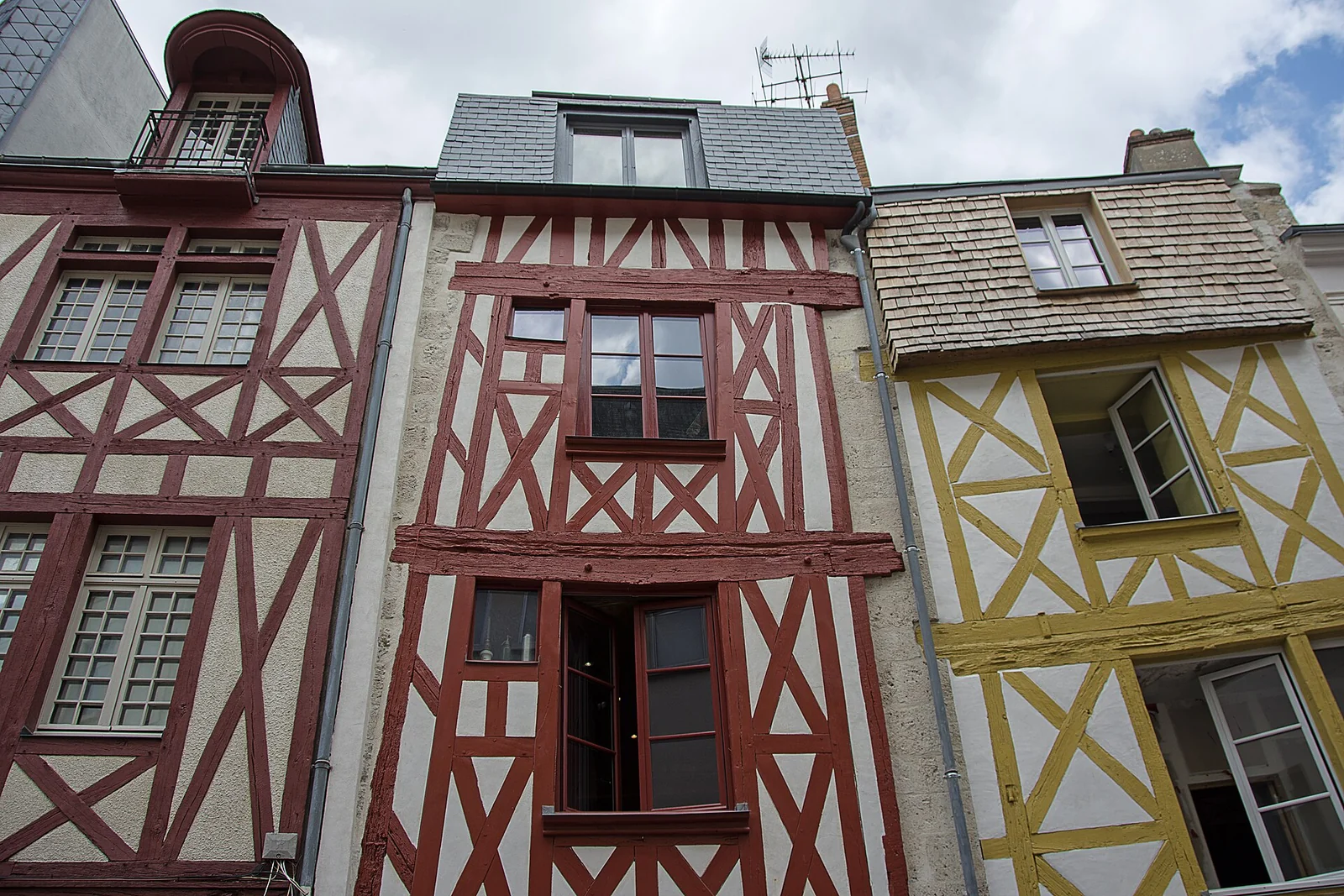
Timber-framed houses, stone frontages, the tram and modern riverbank improvements add other periods. Notice present uses as well as dates: streets are residential, some historic rooms host ceremonies, and the cathedral remains a working place of worship. The best visit lets those uses coexist with sightseeing. You will understand more by observing how the city functions than by expecting every historic doorway to behave like a museum entrance.
3. Day one morning: Martroi and the first city views
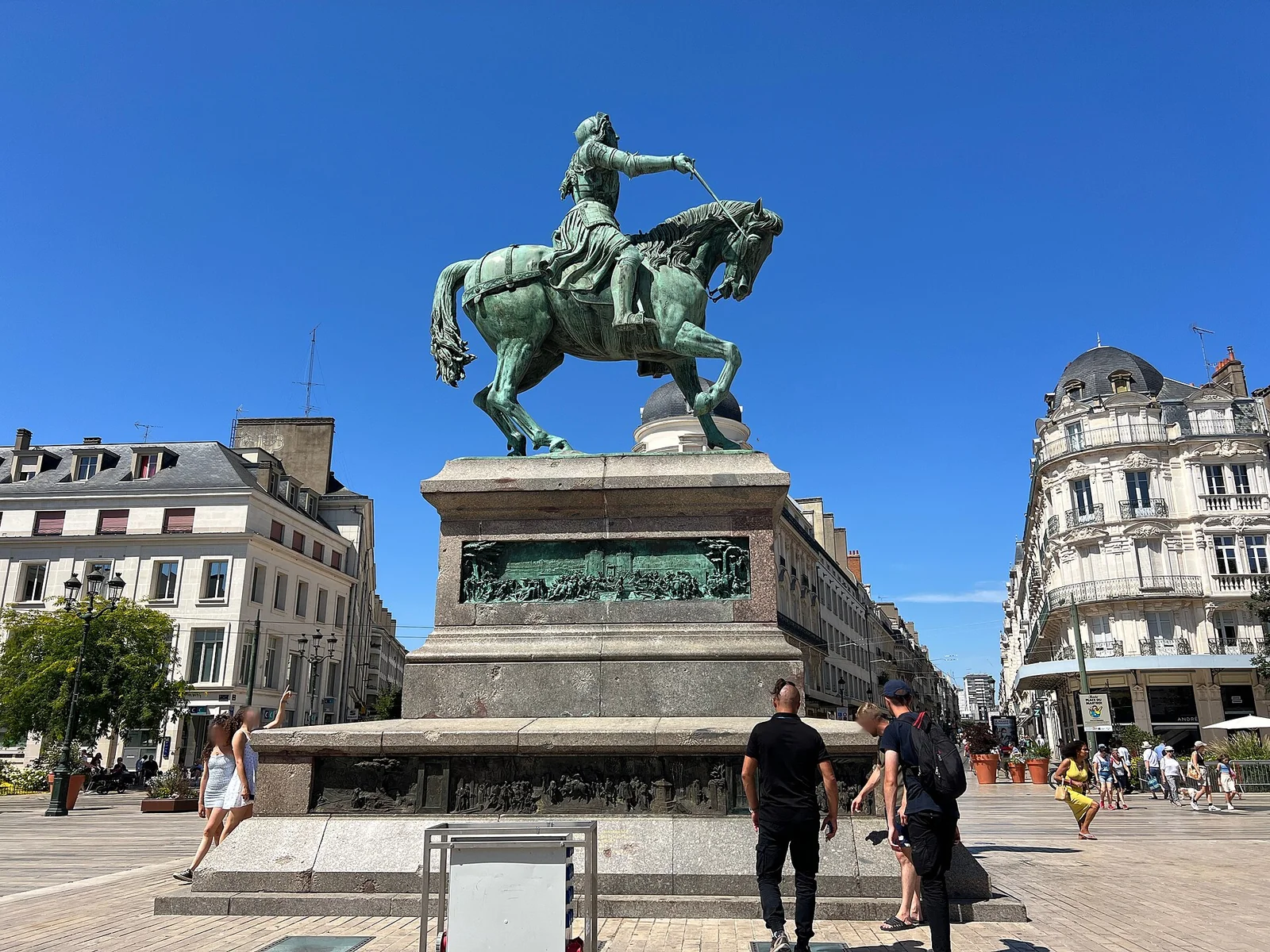
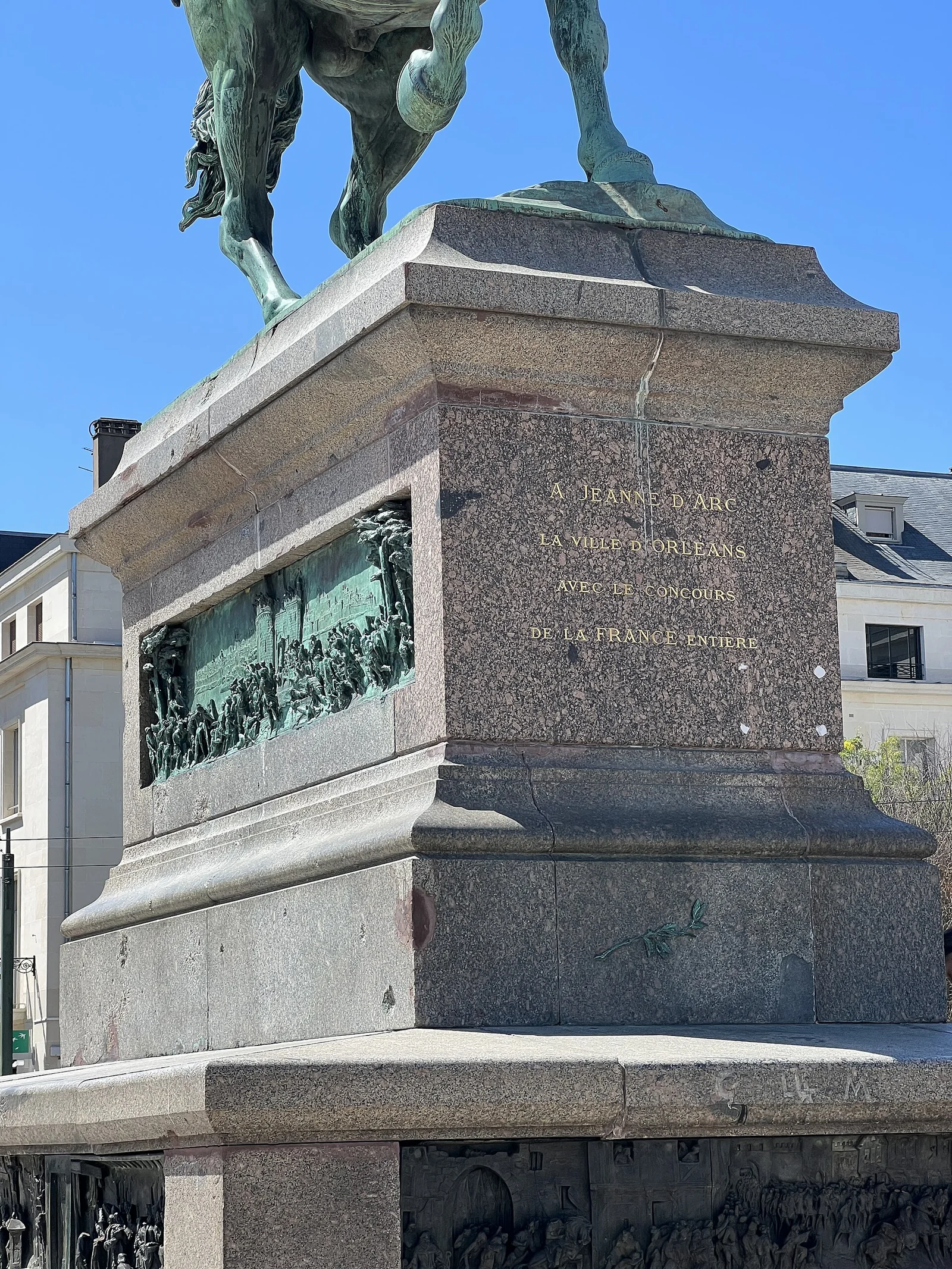
Begin at Place du Martroi. Look at the whole square before approaching the equestrian statue of Joan of Arc. It introduces the city’s commemorative landscape, but it is not an object made in the fifteenth century. Find the tourist office at 23 Place du Martroi; it is a useful place to obtain a map, check a particular opening or confirm a reservation.
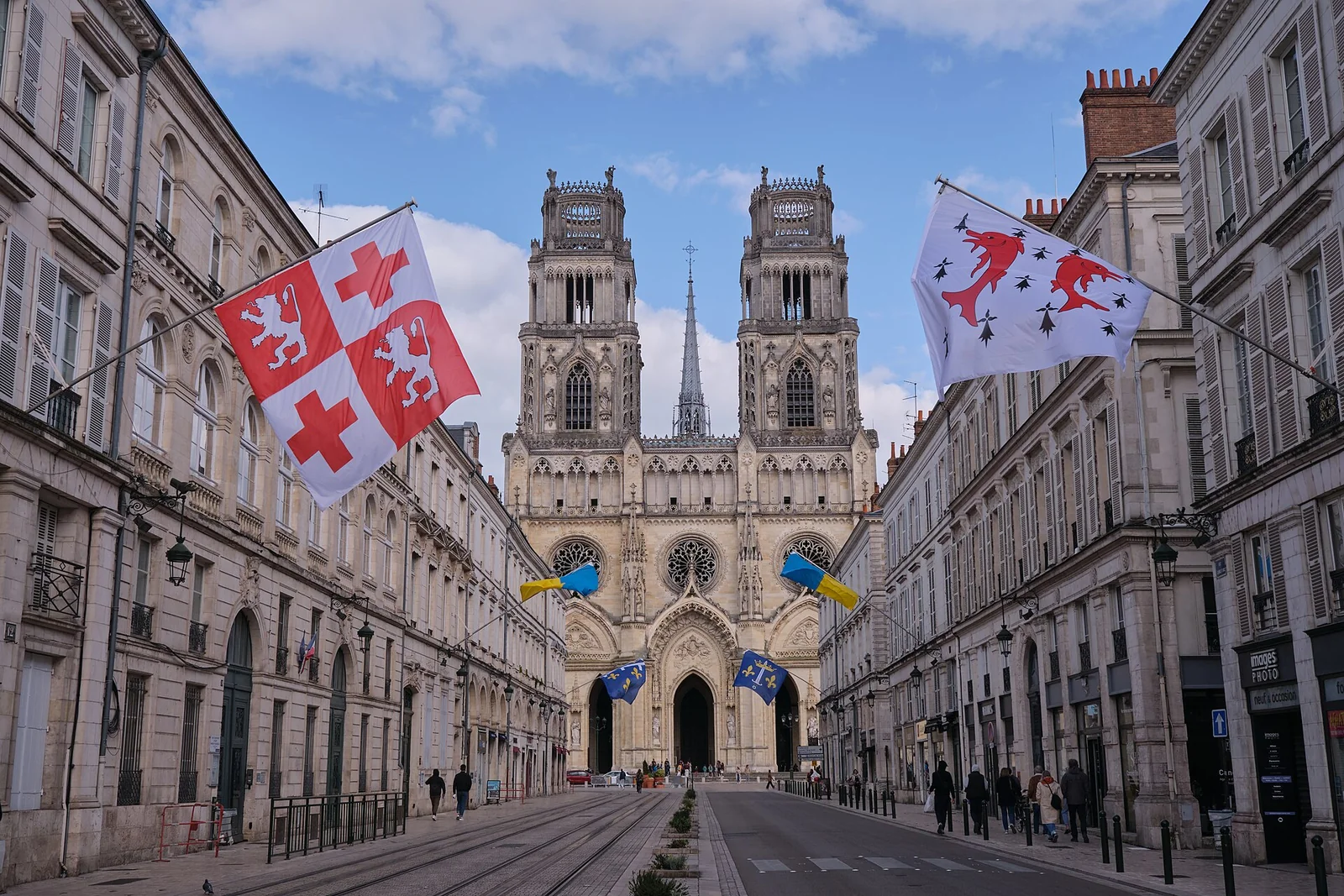
Continue towards Rue Jeanne-d’Arc and allow the cathedral to emerge gradually in the street’s perspective. Morning does not guarantee an empty road. Stay in permitted pedestrian areas, watch the rails and give up an image if obtaining it would mean standing in a traffic lane. The city offers plenty of good compositions without treating ordinary movement as an inconvenience to photography.
Allow roughly an hour for this introduction if you enjoy looking at buildings and taking photographs. Have a short break before the indoor visit rather than waiting until you are already tired. Our Old Town walking guide gives a fuller route and explains how the surrounding streets connect, so you can choose an extension without accidentally repeating the same loop the following day.
4. Late morning: visit Sainte-Croix with a clear approach
At the cathedral, read the welcome notices and check whether a service affects the route. Begin with the scale of the nave, the rhythm of the bays and the light rather than immediately looking for individual objects. Then move to the Joan of Arc windows and the publicly accessible parts of the choir. A few clear visual observations are more memorable than a rushed attempt to learn every architect’s name.
The cathedral’s official visiting page states daily opening from 9 am to 6 pm between November and March, and 9 am to 7 pm between April and October. Ordinary visiting and the tours offered by volunteers are free; a contribution may be welcomed. Visits to the upper parts are a separate tourism-office offer. Free entry to the church should not be confused with unrestricted access to a tower or staircase.
For a calm first visit, around forty-five minutes to an hour is a useful suggestion, depending on your interests. If worship begins, limit movement and return to a particular area later. The complete Sainte-Croix guide covers the detailed route, family resources and the difference between visiting the main floor and reserving a special experience in the heights.
5. Day one afternoon: Hôtel Groslot and the old streets
After an unhurried lunch, walk to Hôtel Groslot near the cathedral. Here, “hôtel” means a historic urban mansion, not accommodation where you can book a room. Look first at the brick-and-stone composition, the steps and the exterior details. Ordinary visiting is listed as free on the official tourism record.
Access to the historic rooms can depend on ceremonies and the building’s current uses. Ask what is open that day. A closed room does not remove the interest of the façade, garden or surrounding quarter. Around half an hour is a reasonable first planning allowance, with more time if you enjoy decorative interiors. The Hôtel Groslot guide provides a deeper account of the mansion and how to organise a visit.
Then explore the centre rather than immediately adding a second large museum. Rue de Bourgogne, Rue Pothier and the Charpenterie area offer a more everyday reading of the city. Compare materials, look above shopfronts and follow the streets towards the river. For dinner, choose according to the actual menu and kitchen hours. A lively neighbourhood does not guarantee that every restaurant serves a full meal at any time.
6. Day two: Joan of Arc’s House and the story of 1429
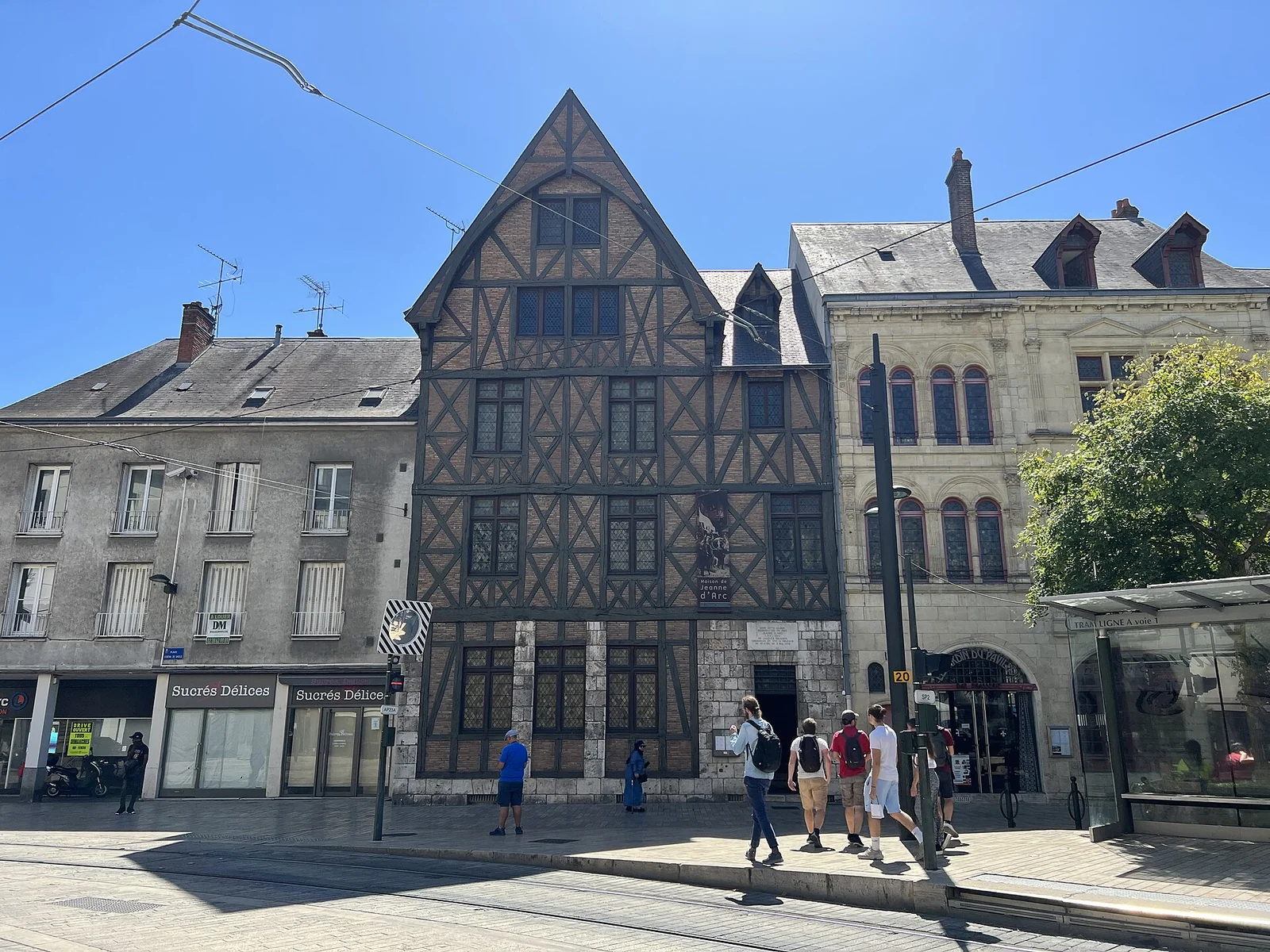
Joan of Arc’s House is at 3 Place du Général-de-Gaulle. One distinction matters before you enter: the visible building is a reconstruction from the 1960s after the destruction of 1940. It recalls Jacques Boucher’s house, where Joan stayed in 1429. You are not entering a room whose furniture and fabric have survived unchanged since the siege.
The current experience uses multimedia to explain events, chronology and memory. Leave enough time for the next screening rather than arriving just before closing. The city’s official page gives low-season public opening from Tuesday to Sunday, 2 pm–6 pm, between October and April. In that season, move this stop to the afternoon and put the museum or outdoor walking in the morning.
This is especially important for a November trip. 11 November appears among the published exceptional closures, in addition to the normal Monday closure. An outdoor Joan of Arc route is still possible without entering the House. Our Joan of Arc itinerary separates historical events, later commemorative objects and present-day visitor services, so that every statue is not accidentally presented as a witness from 1429.
7. Give the Museum of Fine Arts a proper visiting slot
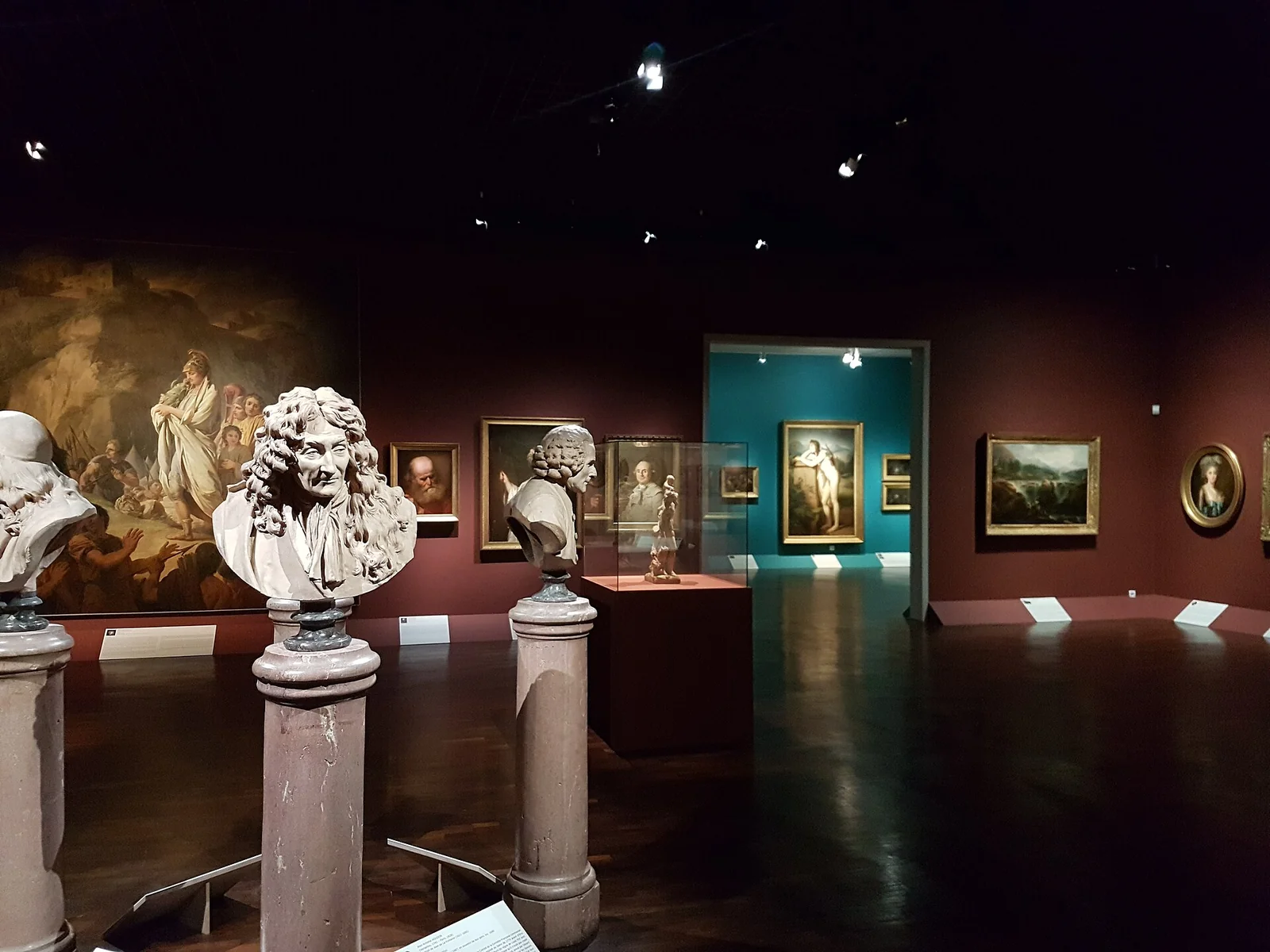
The Museum of Fine Arts deserves its own period of attention. Roughly ninety minutes to two hours is a useful suggested pace for a selective first visit. Ask which galleries or works are temporarily unavailable. It is better to look carefully at a few groups of pictures than to cross every floor while reading only the most recognisable names. Loans and changing displays mean that an old list of highlights is not a permanent guarantee.
The municipal page normally lists Tuesday–Saturday opening from 10 am to 6 pm, Thursday until 8 pm, and Sunday from 1 pm to 6 pm. Monday is closed, with additional public-holiday exceptions listed there. The published combined ticket is € 8 full price or € 4 reduced, covers four museums and is valid for one day. Check discount eligibility rather than assuming that every visitor qualifies.
If you intend to visit the House and the art museum on the same day, compare that combined ticket with the entries you will actually use. A workshop or special event may require a separate booking. Keep the receipt and read the inclusions before paying. The Museum of Fine Arts guide helps you choose a deeper route and avoid turning a good collection into a hurried stop between other activities.
8. Late afternoon: slow down beside the Loire
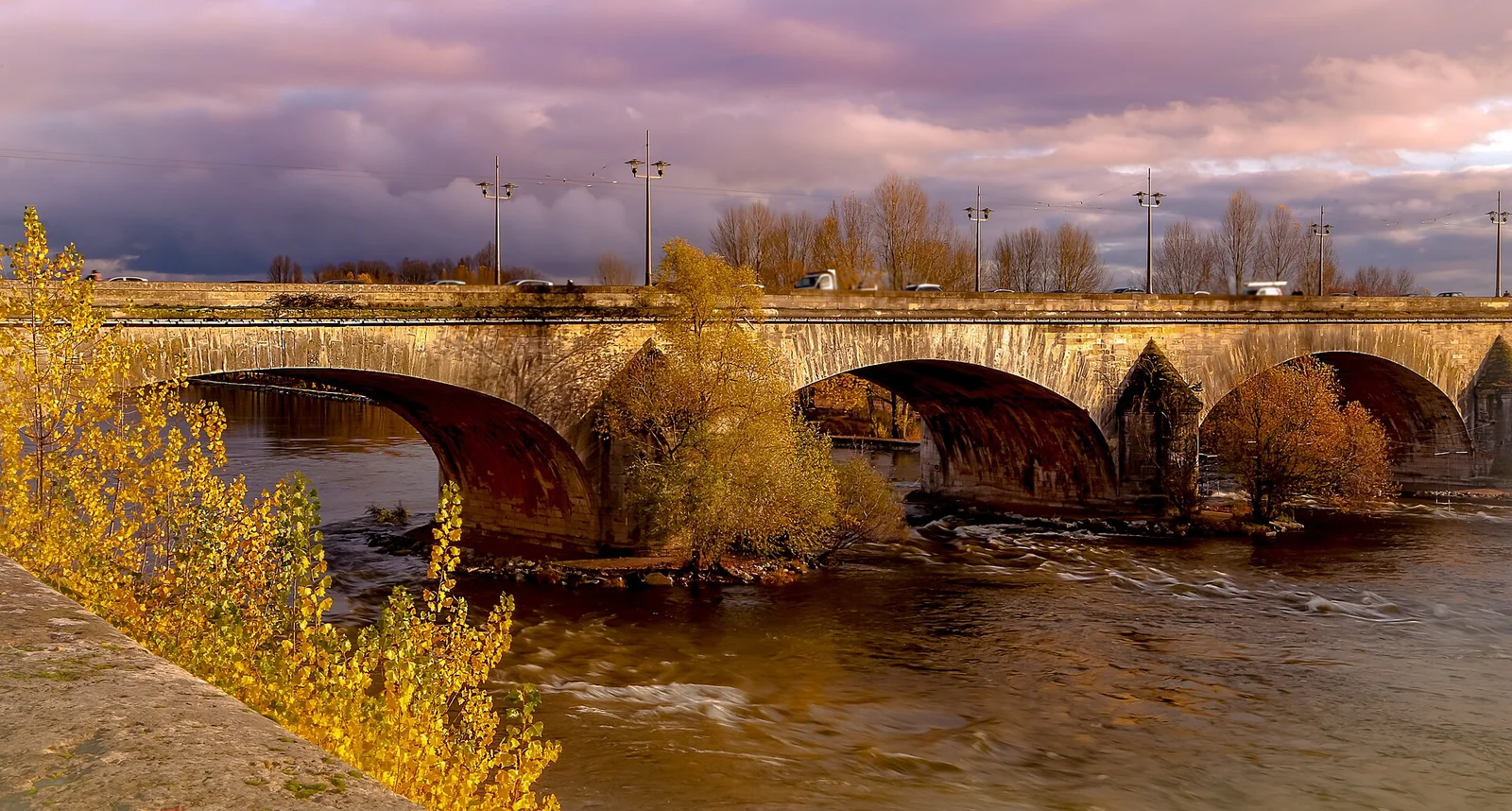
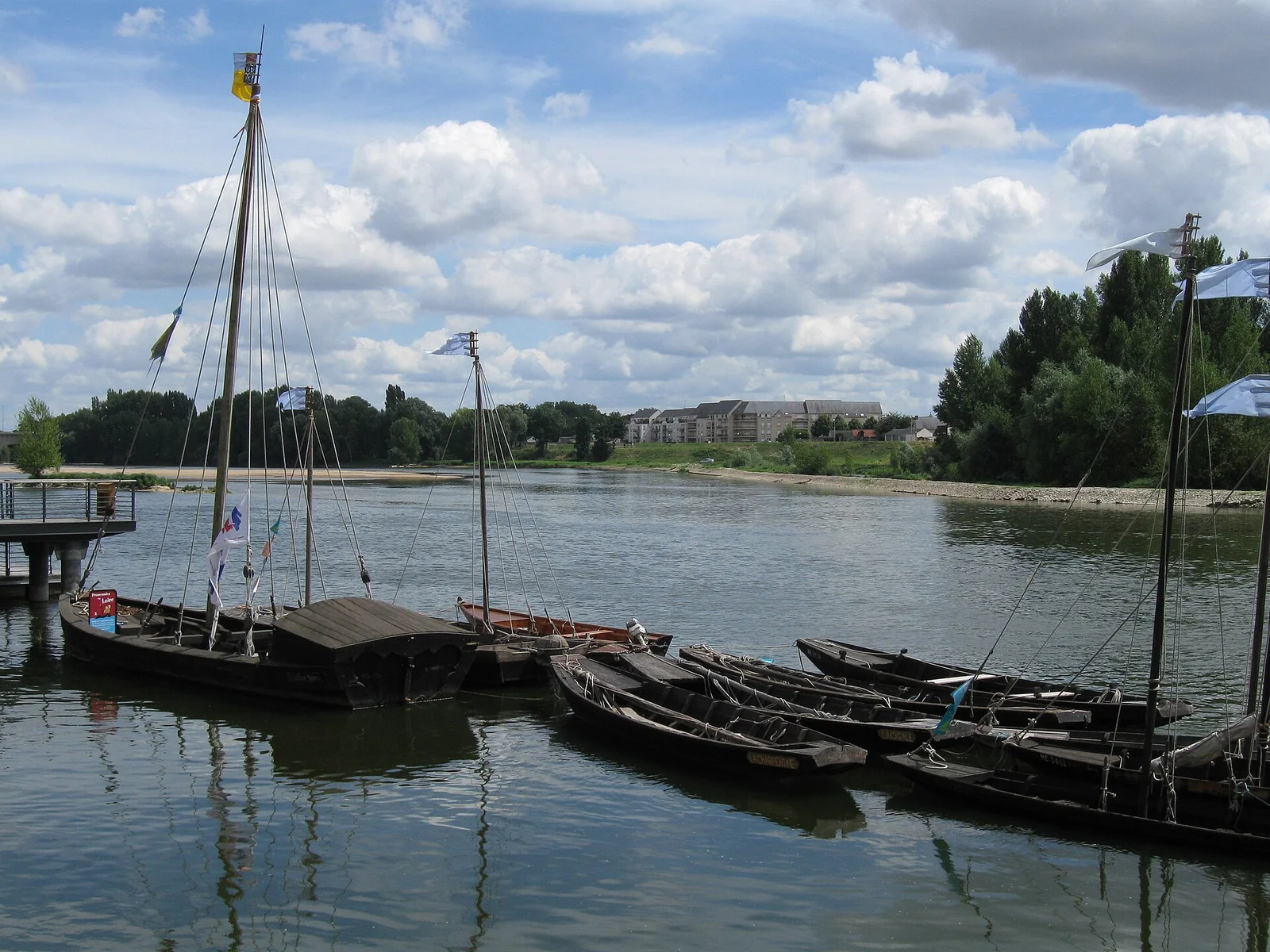
Walk down to the quays and the George V Bridge. This deliberately changes the rhythm of the day: after rooms and labels, look across water, bridges, banks and the outline of the city. Choose your direction according to light, wind and the group’s energy. A short loop returning through the centre works well. Crossing the bridge is an option, not an obligation that must be fulfilled in unpleasant conditions.
Stay on open, authorised paths. Sandbanks, low access points and slopes towards the water are not automatically safe extensions of the pavement. In high-water conditions, consult Vigicrues and local notices. The metropolitan authority states that swimming in the Loire is prohibited. A supervised swimming facility in a separate lake is a different service with its own operating dates and rules.
Allow around an hour to ninety minutes for a first riverside walk with photographs and pauses, adjusting freely. Carry an extra layer even after a warm day, since exposure and wind can change how comfortable the walk feels. The Loire riverbanks guide compares walks, viewpoints and practical precautions without confusing a city stroll with an independent water-sports excursion.
9. Day three: Parc Floral de La Source as a real outing
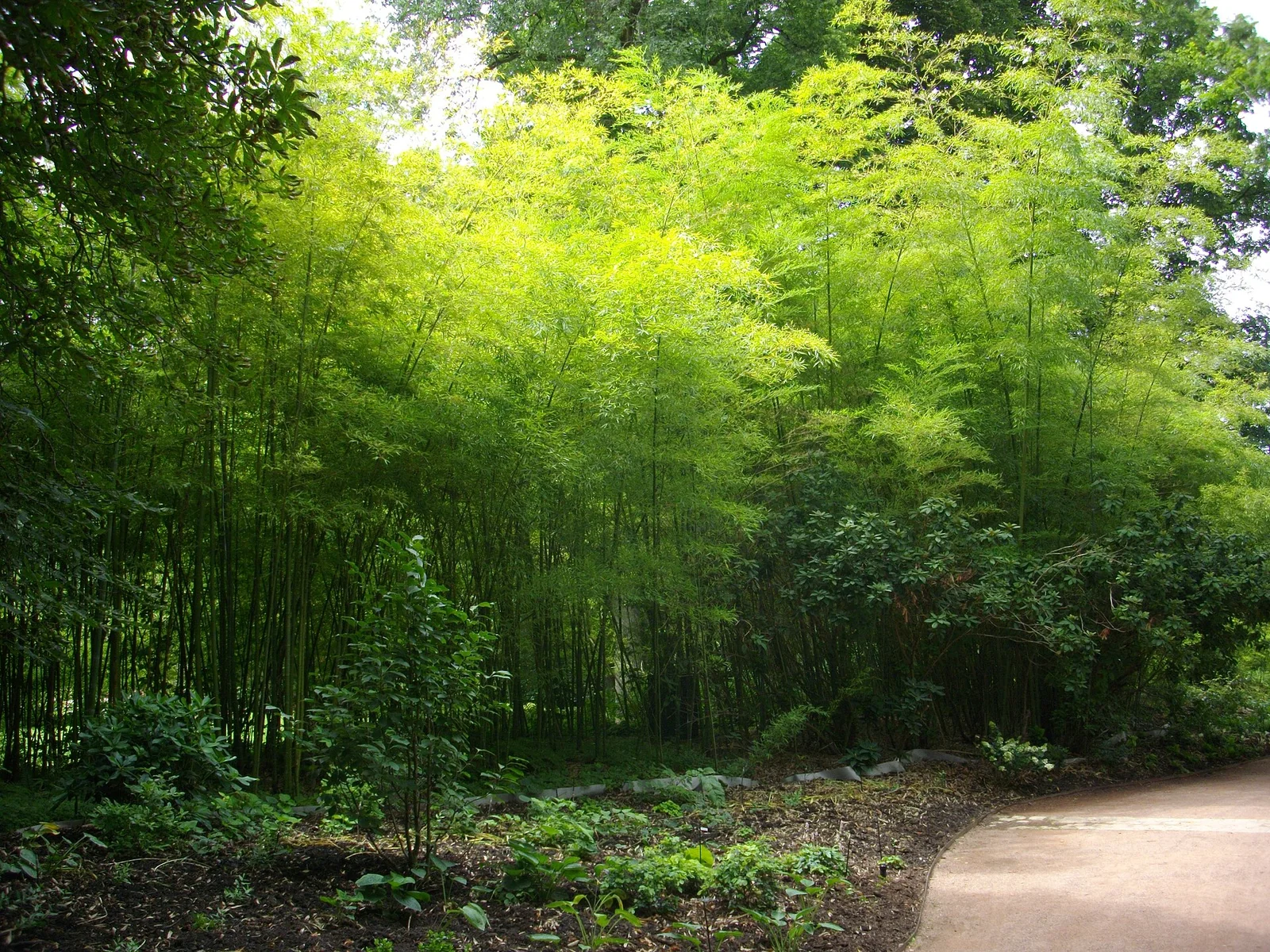
The Parc Floral de La Source shows another side of Orléans, away from the historic centre. Reserve a half-day including travel, or longer if gardens are a main interest. Read the park’s official visitor information first. Admission, opening hours and activities follow calendars that need not match those of central museums.
Do not make a particular flowering display or the butterfly house the sole purpose of the outing without checking its season. A garden changes through the year. In spring and summer, flowers and activities may take centre stage; at other times, water, trees and the structure of the landscape can matter more. The Loiret spring also helps distinguish the smaller river from the broad Loire you visited the previous afternoon.
Use the TAO journey planner with your actual starting point and intended return. A missed connection should not cause you to miss the train home. If weather or the park’s calendar makes the outing less suitable, use the half-day for a deeper cultural visit. The Parc Floral guide explains seasonal choices and the details that should be settled before travelling south.
10. A third-day alternative: choose one château well
Meung-sur-Loire, Beaugency and Chambord can make the surrounding area look temptingly easy to collect. For a first excursion, choose one according to transport, time and your interests. A train arriving in a town does not necessarily leave you at a monument’s entrance. A château admission ticket may also exclude parking, guided visits or optional experiences.
Build the complete day: outward travel, arrival at the entrance, visiting time, food and the return journey. Book fixed-time activities before filling the gaps. Winter calendars can reduce flexibility, while peak-season queues and parking can add time. Comparing only the road distance between sites misses most of the decisions that determine whether an excursion is enjoyable.
Our guide to castles near Orléans compares the main choices and links to official ticketing. If the third day includes an early departure, staying in Orléans or choosing the park may be the more satisfying option. A successful day trip leaves enough time at the destination; it is not measured by the number of admissions bought or façades photographed.
11. Arrive at the right station and group your journeys
Read the exact station name when buying rail tickets. Orléans and Les Aubrais are different destinations. For Les Aubrais, allow a further journey to your hotel or the centre. The official SNCF Connect planner lets you compare connections and ticket conditions for your date. Do not turn the fastest advertised journey into a promise that every departure takes the same time.
Once in the centre, group nearby visits and walk between them. TAO is useful for more distant places and for conserving energy; check ticket validity, transfer rules and disruptions on the network. If arriving by car, choose parking that suits your accommodation rather than moving the vehicle between every central attraction because the places look separated on a tourist map.
For anyone with reduced mobility, short distance does not guarantee an easy route. Ask about the adapted entrance, lifts and current path conditions. Cobbles, rails, kerbs and slopes to the quays create different situations from the interior of a museum advertised as accessible. Two comfortably connected places can make a better day than an ambitious continuous circuit that becomes difficult halfway through.
12. Build a transparent budget rather than a miracle package
Separate transport, accommodation, food, visits and a reserve for changes. Rail fares and hotel prices vary too much to become one universal cost for “three days in Orléans”. Cultural spending is easier to organise: ordinary cathedral entry is free, ordinary Groslot visiting is listed as free, museum tickets depend on the day and entries used, and the garden or a château outing follows the chosen offer.
| Item | How to decide | Common mistake |
|---|---|---|
| Museums | Published combined full-price ticket: € 8 for one day | Assuming it lasts throughout the stay |
| House only | Published standalone entry: € 4 | Buying without comparing the combined ticket |
| Food | Set a personal allowance, then read menus and supplements | Presenting an estimate as a guaranteed menu price |
| Excursion | Add travel, admission and chosen extras | Counting the entrance ticket alone |
A market purchase or picnic can make a day more flexible, but it should not force everyone to eat outside in poor weather. Check shops and food-service hours and keep a simple fallback for a late arrival. The Orléans food guide helps with neighbourhoods and local products rather than relying on a fixed list of prices that may quickly become outdated.
13. Seasons, Mondays and holidays: the exceptions that matter
The biggest danger in a full itinerary is that it works on paper but not on the chosen date. In November, the cathedral uses its 6 pm closing time, the House has afternoon low-season hours, and museums retain weekly and holiday closures. 11 November therefore deserves particular attention if you are arranging a trip around municipal collections.
In spring, the Joan of Arc celebrations can affect circulation, public spaces and accommodation availability. Detailed events do not repeat at identical times every year, so consult the programme for the relevant edition. In summer, put exposed walking in comfortable periods and carry water. In autumn and winter, shorten riverside sections when wind, rain or fading light make a long route less enjoyable.
14. Adapt the days to children and different interests
With children, turn a major visit into a limited observation task: find an architectural detail, compare two statues or locate something on a plan. The cathedral publishes family resources, while museums list workshops with their own age guidance and booking rules. “Family activity” is a category, not a guarantee that every session suits every child or has places available on arrival.
With a pushchair, identify slow sections and useful entrances before committing to a long loop. With teenagers, distribute choices between history, photography, food and walking so that everyone has a say. For an especially cultural trip, replace the garden with another museum session. For a restful trip, reduce admissions and spend longer in a neighbourhood you like.
In the evening, avoid another long crossing of the city for a single restaurant if everyone is already tired. Dinner near your base and a short walk can finish a day better than another ambitious activity. The trip remains successful when you drop a secondary stop; note what you would like to explore on a return visit instead of treating a flexible choice as a failure.
15. Book in the order that keeps the itinerary flexible
Start with the travel that determines your arrival and departure windows, then the accommodation that suits the route. Next reserve any genuinely fixed-time experience, such as a guided visit with limited places. Finally organise ordinary entries and meals around those anchors. Buying every possible ticket first creates a schedule that is harder to adjust when a single part changes.
For each booking, save the confirmation somewhere available without a mobile connection. Check whether the document is an actual timed ticket, a voucher to exchange or a gift product that still requires a reservation. Keep the organiser’s contact information with the confirmation. If different people buy different parts of the trip, share the essential details so that one flat phone battery does not remove access to the day’s reservations.
Leave a practical gap before the journey home for collecting bags, using the facilities and reaching the correct platform or stop. That time is often more valuable than squeezing in one final short attraction. You can use spare time for a nearby walk once you know the departure arrangements are settled, rather than having to rush back from a distant part of the city.
16. Map references and a departure checklist
Save the key places: Place du Martroi, Sainte-Croix Cathedral, Joan of Arc’s House and George V Bridge. These are orientation points, not a guarantee that every suggested path is accessible or open during works.
🗺️ Your planning map
Load the map when you need it, or open directions directly. Loading the map connects to Google Maps.
Open in Google Maps ↗- ✅ Tickets and booking confirmations saved offline.
- ✅ Exact station, final connection and accommodation route checked.
- ✅ Weekly and holiday closures checked for the priority visits.
- ✅ Identification and discount evidence packed where required.
- ✅ Suitable shoes, water and weather protection ready.
- ✅ A covered alternative and a stop that can be dropped.
- ✅ Time allowed for food, rest and collecting luggage.
Keep one open period in the programme. It may become a longer queue, a useful conversation with a volunteer, an unexpected street or a coffee at just the right moment. That freedom is what makes this a stay in Orléans rather than a sequence of appointments in which every small delay feels like a problem.
17. Official sources for the final pre-trip check
Information checked on 10 November 2026. Operators may change their conditions; use these links for the final check rather than relying only on a saved screenshot of this guide.
- Sainte-Croix: visiting and resources.
- City: Joan of Arc’s House, seasons and prices.
- City: Museum of Fine Arts.
- Parc Floral visitor information.
- TAO local transport and SNCF Connect.
- City markets and Vigicrues.
Frequently asked questions
Are three days enough for Orléans?
Yes for a first visit combining the centre, a museum and a garden, provided you choose the stops rather than trying to include several distant excursions.
Do I need a car?
Central visits work well on foot. Plan outlying journeys with TAO. For a château outing, check the complete route to the entrance before deciding.
What if my trip includes Monday?
Use it for streets, public spaces and adaptable walking. The municipal museums mentioned and Joan of Arc’s House normally close on Mondays.
Does the combined museum ticket last for three days?
The published combined ticket is valid for one day. An annual museum pass is a separate product; read the conditions before buying.
Is cathedral entry free?
Ordinary entry is free. A special guided experience or a visit to the upper parts has separate booking conditions.
Are Orléans and Les Aubrais the same station?
No. Check the name on the ticket and allow onward transport if arriving at Les Aubrais.
Does the itinerary work in November?
Yes with low-season hours, shorter daylight and holiday closures taken into account.11 November is a published closure for the House and Museum of Fine Arts.
Can I swim during the river walk?
Swimming in the Loire is prohibited locally. A supervised facility in a separate lake is a different service with its own dates and rules.