The complete guide
Castles near Orléans: the complete guide to Meung-sur-Loire, Beaugency and Chambord
Choose the right château, compare admission and plan a realistic day at Meung, Beaugency or Chambord, with or without a car.
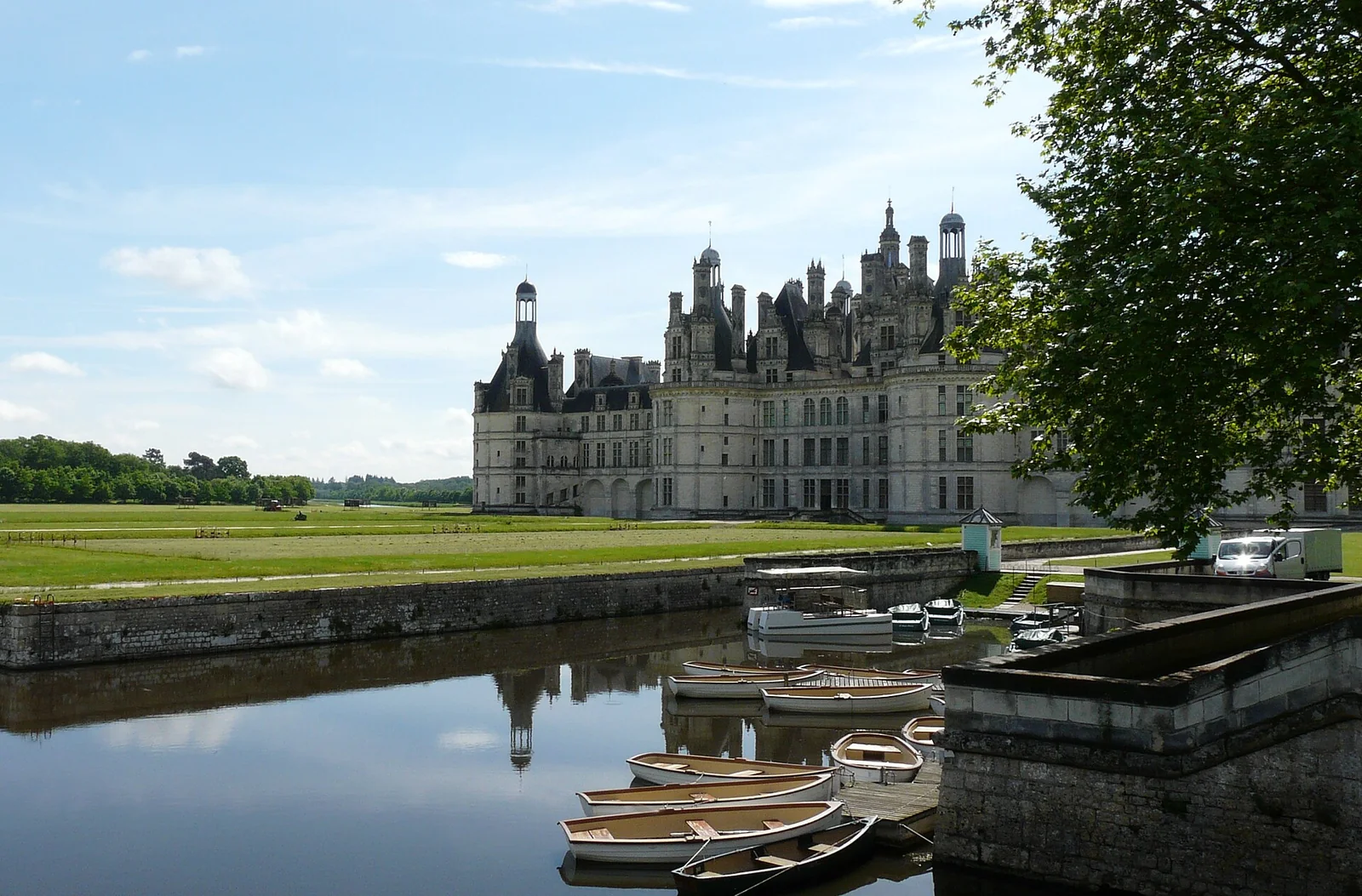
A château day from Orléans can take several different forms. Meung-sur-Loire offers a medieval façade, a classical residence and a small town reachable by train. Beaugency brings historic architecture together with contemporary light-based art. Chambord presents a royal architectural project and an extensive estate that can justify a whole day. The right choice is therefore not simply the most famous name: it is the place whose experience, calendar and access arrangements fit your trip.
This guide compares the three destinations, their prices, practical restrictions and realistic ways to plan the day. Information was checked on 10 November 2026. Prices are those published at that time, and dated opening periods refer to 2026; check new arrangements for a 2027 visit. Our three-day Orléans itinerary helps place an excursion within a longer stay. Keep enough space around the outing, especially when a final train or bus determines your return.
Which château suits your interests?
| Destination | Main reason to choose it | Suggested planning |
|---|---|---|
| Meung-sur-Loire | Contrasting façades, furnished rooms, underground spaces and outdoor activities. | Half a day or longer with children, depending on opening. |
| Beaugency | Château de Lumières combines an old building with digital art. | A château visit and town walk, checked against the seasonal calendar. |
| Chambord | Renaissance architecture, staircase, terraces and a large estate. | A dedicated day with transport and the approach walk included. |
These are travel suggestions rather than compulsory durations. If furnished interiors and changing domestic uses appeal, start with Meung. If atmosphere, projections and a small town interest you, examine Beaugency’s actual programme. If a major royal monument is your priority, choose Chambord and accept the broader logistics. Two neighbouring sites may combine, but three complete château visits in one day leave little room for attention. An exterior photograph is not equivalent to a considered interior visit, and a hurried stop should not be sold to the rest of your group as a full experience.
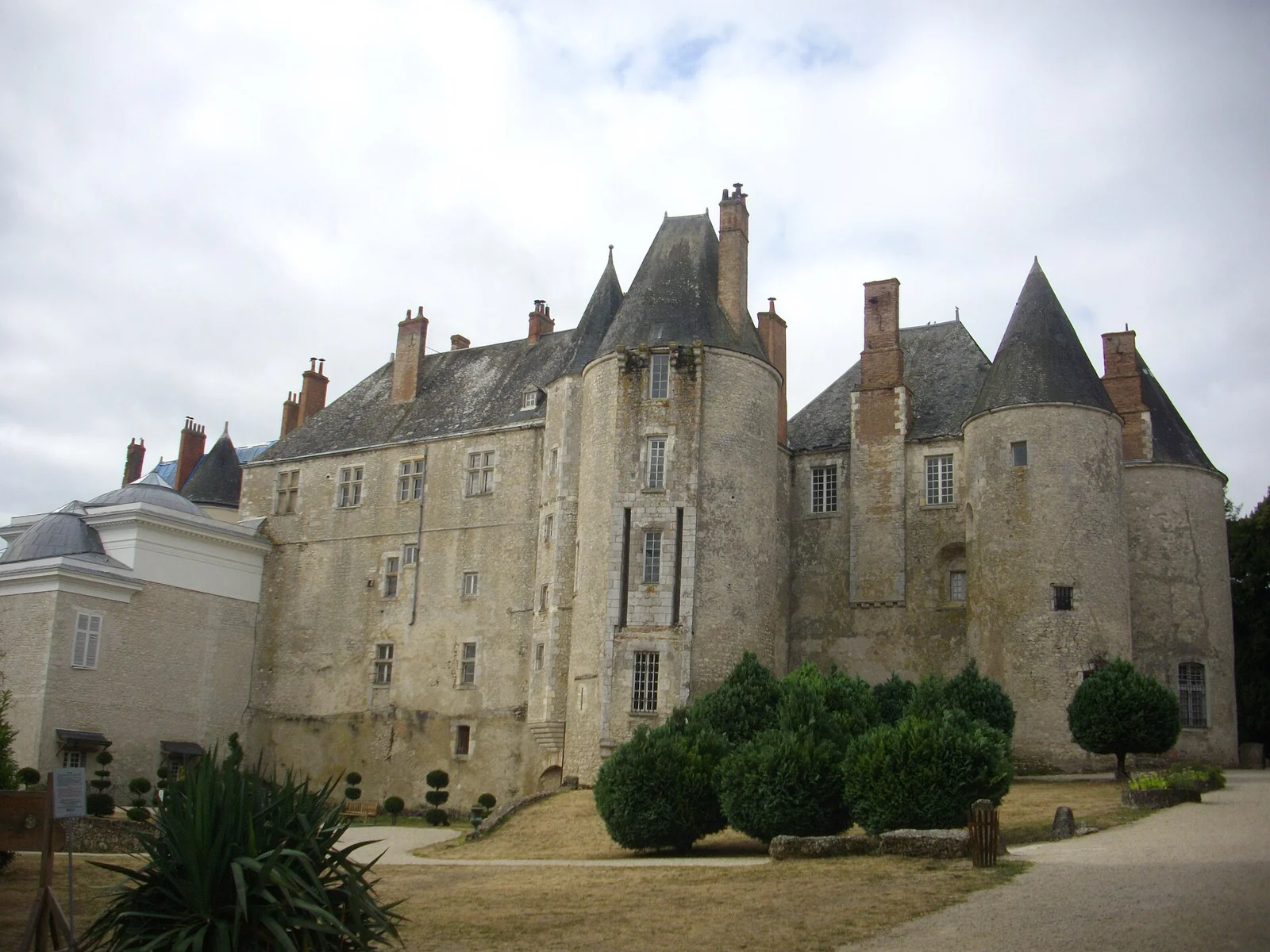
Meung: understanding the château’s two faces
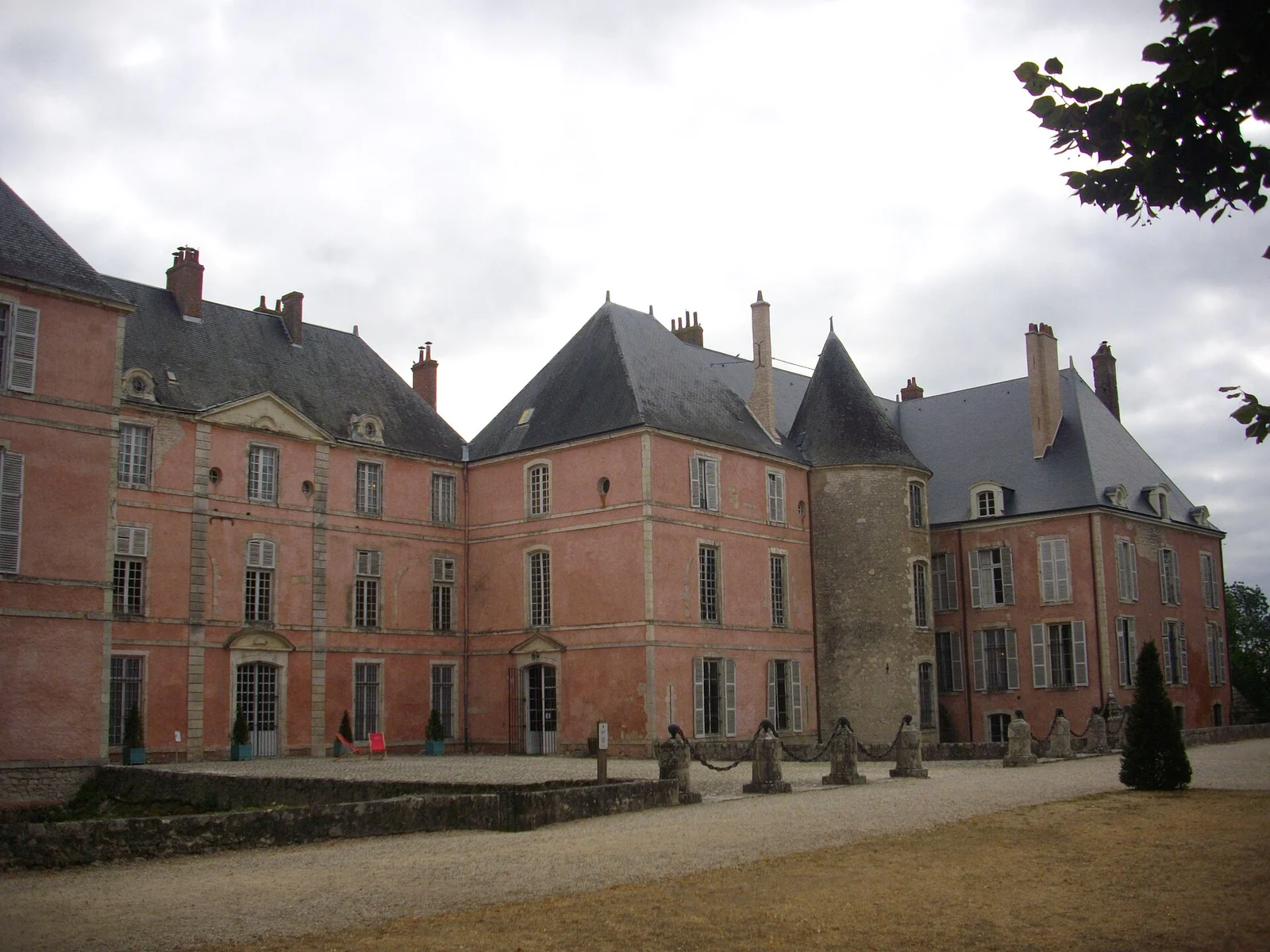
Meung served as a residence of the bishops of Orléans from the Middle Ages until the Revolution. Its identity is easy to explore through contrast: the fortified town-facing side recalls the thirteenth century, while the garden-facing classical transformation belongs to the eighteenth. The official historical account traces these stages. Walking around and comparing the two sides tells you more than reducing the whole place to a single photograph taken from the square.
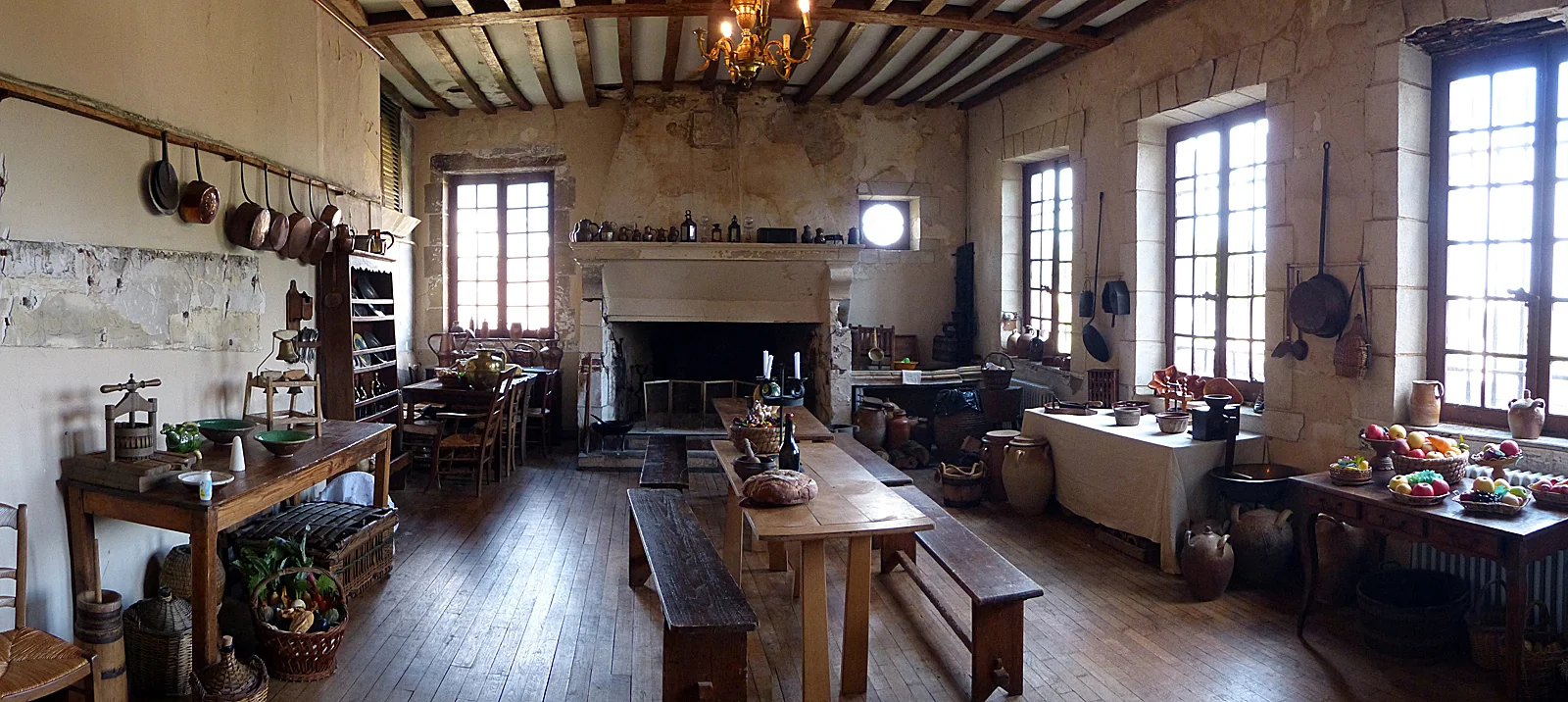
Today’s visit combines architecture, furnished rooms and interpretation. Keep a distinction between a historical object, a reconstruction and an activity aimed at families; each tells the story differently. Indoors, notice the connection between rooms used for representation and domestic spaces. The route can also enter underground areas whose atmosphere contrasts with the reception rooms. Bring an extra layer if you feel the cold and read instructions before entering. Access is not identical for every visitor. If stairs, darkness or enclosed spaces are an issue, ask about the usable route before purchasing rather than discovering the restriction after arrival.
What to do at Meung without rushing
Begin by asking for a map, any closed areas and the operating times of activities that really matter to your group. Visiting the interior while concentration is fresh, then leaving time for the park, is one sensible option. Families may reverse the order because of weather or an activity; the important point is understanding final admissions. Outdoor experiences included in ordinary admission remain subject to daily operating conditions, and certain events have separate ticket prices. Inclusion in a product is not a guarantee that every piece of equipment will operate in every weather condition.
The château says its ordinary ticket covers the interior, underground spaces and outdoor activities, excluding specially priced events. That does not make every activity appropriate for every age. Suspended nets, for example, have safety and footwear rules that should be read first. Published information says any exit is final. Do not leave to find lunch assuming you can return later on the same ticket. Plan a break within the authorised circuit or eat afterwards. Meung itself also deserves a short walk, without an automatic obligation to add a second paid monument immediately afterwards.
Meung: current published prices and final admissions
The official price page opened directly displays €13.50 full price, €11.50 reduced and €10 for children aged 4–15. It lists free entry for children under four and visitors over eighty with evidence. Pass Tribu is shown at €54 for two adults and three children aged 4–15, paid in one transaction. Some search summaries still retain older amounts. Check the page and final basket instead of copying a cached headline or assuming an old family calculation still applies.
The official calendar varies by date; displayed operating bands include 10 am–6 pm, 10 am–7 pm and 2–6 pm according to the day. Do not turn these into one permanent daily schedule. Last admission to the estate is one hour before closing, last entry inside the château forty-five minutes before, and activities finish twenty minutes before. Those separate limits may determine the order of your visit. Check seasonal events and ask reception when a chosen day is not clear enough. Group access outside normal individual openings must not be read as general public opening.
Beaugency: historic architecture and contemporary light
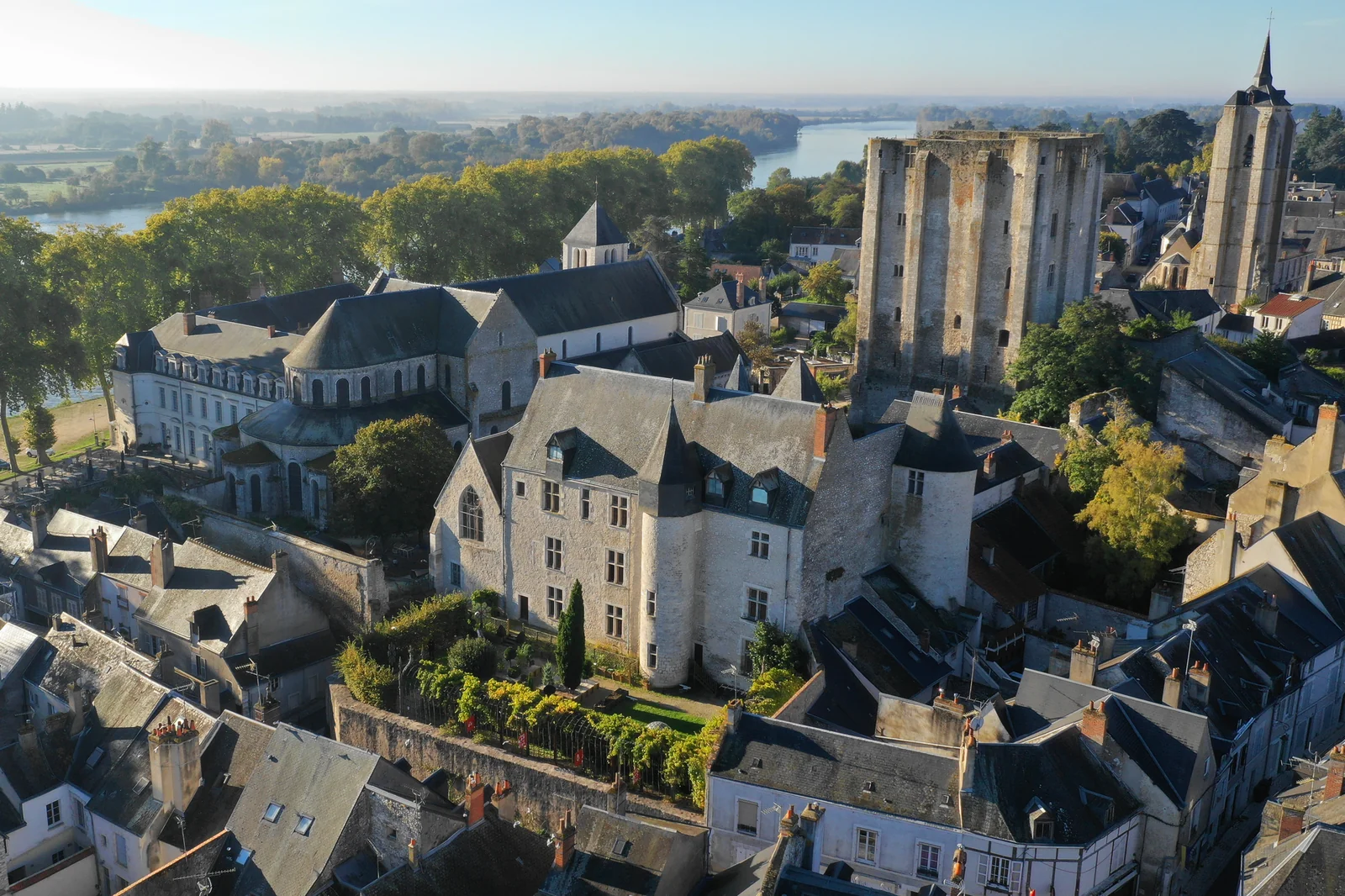
Beaugency’s château combines a monument associated with Jean de Dunois and Loire Valley history with a contemporary presentation involving light, sound and digital works. It is therefore not simply another sequence of furnished rooms equivalent to Meung. That difference is important when choosing. Some visitors want an atmospheric immersive experience; others primarily seek a guided historical reading. The programme also offers options around the castrum, which should be distinguished from admission to the light exhibition itself.
Look at the courtyard and the old structure before following the projections. This makes it easier to separate the building from the presentation installed within it. Historical explanation and artistic interpretation serve related but different purposes. If someone in the group is sensitive to dark spaces, sound or changing light, ask specific questions rather than assuming the experience is neutral. For another context around Dunois and the city’s history, our Joan of Arc route in Orléans provides a useful companion. A little preparation helps visitors appreciate the intended experience instead of expecting a different kind of château.
Beaugency: exhibition, castrum and evening products
The official site displays €14.50 for adults at Château de Lumières, €12.50 reduced, €10.50 for ages 11–18 and €7 for ages 4–10; under-fours are free. The announced family price is €36 for two adults and two children up to eleven. Check the precise age wording in the actual product. A combined castrum visit is advertised from €19, while the castrum alone starts at €7. Special events have their own tariffs, so the cheapest visible headline may not describe the evening or guided experience you intend to book.
The 2026 calendar contains weekend-only periods, holiday openings and separate evening events. The broad season stated as 4 April–31 December does not mean daily opening throughout that interval. For winter 2026 the site announces weekends from 5–20 December and 21, 22 and 23 December. Use the official practical page, then the ticketing platform for the exact time. Evening admission is not automatically included in a daytime ticket. Fixed guided departures also need to be respected; a general opening window does not mean the guide can start whenever you arrive.
Chambord: a royal project begun in 1519
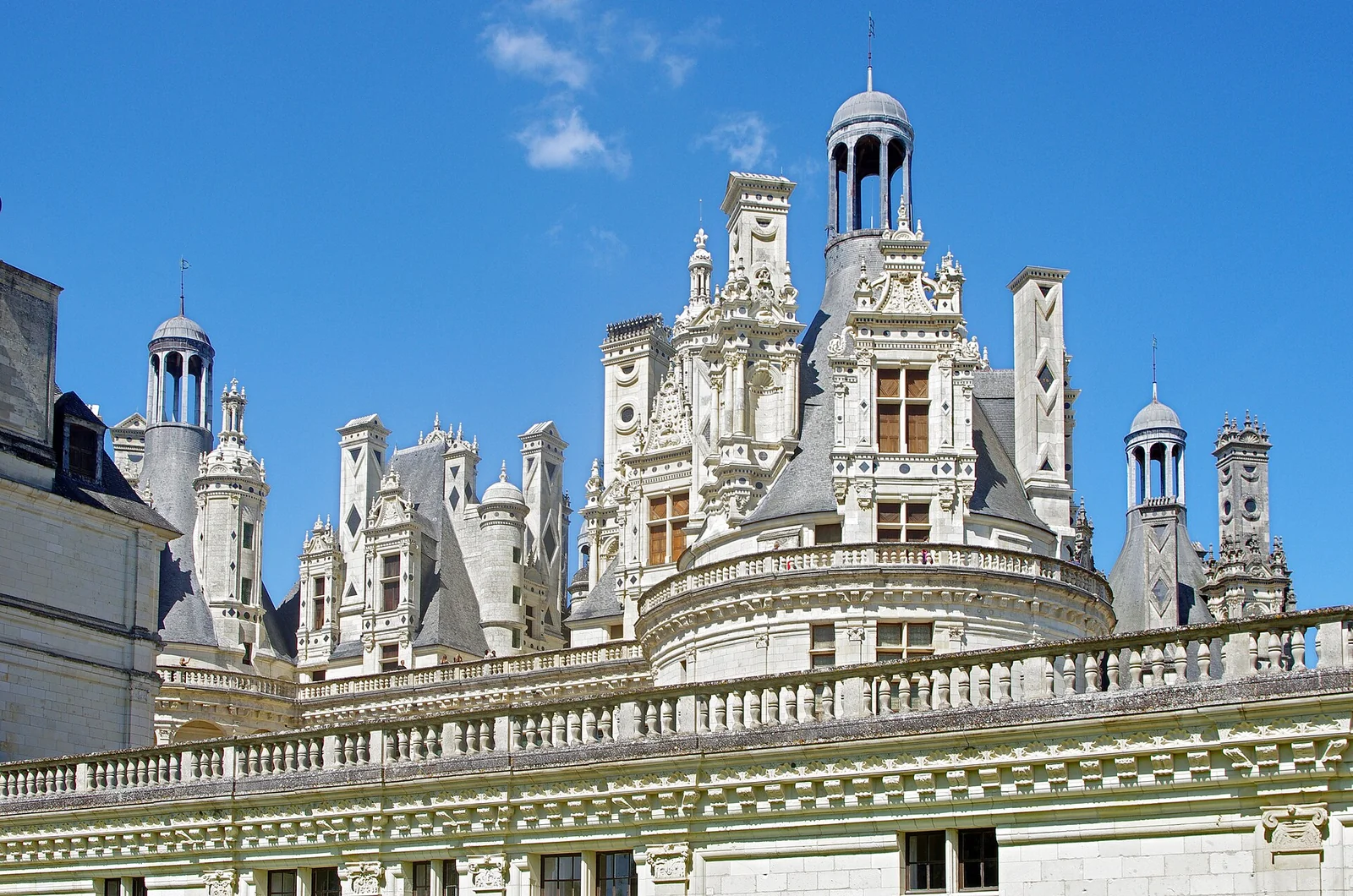
Construction at Chambord began in 1519 at the request of Francis I. The monument expresses power through its plan, massing, decoration and the way visitors move through it. The double-helix staircase is famous, but the current official account states that the architect’s identity remains unknown. Italian Renaissance influence and connections with Leonardo da Vinci should therefore not be turned into a certain signature. Keeping that distinction makes the history more interesting rather than less impressive.
To understand the building, alternate broad views and details: the exterior approach, staircase, interior spaces, vaults and terraces where your route permits. Furniture and objects evoke several periods of occupation rather than one frozen image of Francis I’s reign. Ask for the visitor leaflet and choose priority rooms. The estate is extensive, so a long walk before entering can use up the energy needed for stairs. A more comfortable plan often gives the main building priority, then adds an outdoor walk suited to the weather, available daylight and the group’s actual abilities.
Chambord in 2026: EEA status changes the price
Since 14 January 2026 the estate has applied an experimental price structure. Admission to the château and formal French gardens is advertised at a €31 reference rate. A preferential €21 rate applies to visitors who are nationals or residents of a European Economic Area country, with supporting evidence. The language of the webpage does not determine eligibility: an English-speaking reader may be an EEA resident, while a French-speaking visitor may not meet the conditions. Prepare documents before selecting a category rather than choosing by passport assumptions alone.
| Situation | Published amount | What to establish |
|---|---|---|
| Neither an EEA national nor an EEA resident | €31 | Reference rate. |
| EEA national or resident | €21 | Accepted evidence. |
| Eligible reduction, EEA | €18.50 | Relevant category and document. |
| Eligible reduction, outside EEA | €28.50 | Relevant category and document. |
| Under eighteen | Free under the conditions | Proof of age. |
| Aged 18–25 meeting the EEA conditions | Free under the conditions | Age and qualifying status. |
The detailed official conditions explain other concessions and free categories. Some are issued on site rather than sold online. Do not assume a senior exemption or first-Sunday rule copied from municipal museums. Chambord does not offer a general first-Sunday free-admission rule. Quoted 2026 prices are stated as valid until 31 December 2026, so a 2027 visit needs a fresh check. If evidence is unclear, resolve it before paying, particularly when several members of one family fall into different categories.
Chambord hours, final access and seasonal activities
The 2026 schedule gives 9 am–5 pm from 2 November to 18 December, followed by 9 am–6 pm from 19 December 2026 to 3 January 2027. On 24 and 31 December closing is brought forward to 4 pm, with final access at 3.30 pm. New Year’s Day and Christmas Day appear among annual closures. Earlier 2026 periods have their own hours and several exceptional Monday closures. Keep the year attached to each calendar line instead of treating an old winter pattern as a permanent rule for every future season.
The equestrian show and boat operations also follow seasons. Published 2026 activity periods finish by 1 November for these offerings, so do not promise them during a November visit. A Christmas event does not automatically replace the summer programme. Check the estate’s hours and rates and current agenda, then reserve separately anything tied to a date or time. Security queues may still exist with an online ticket. Leave a margin between reaching the car park and entering the building itself, especially when collecting concessions at a desk or moving slowly.
Without a car: the smaller towns are simpler
Meung-sur-Loire and Beaugency have railway stations. Search from the actual Orléans or Les Aubrais station used by your train through SNCF Connect or Rémi. Not every service stops at every station. Meung’s visitor page gives about ten minutes on foot to the château; Beaugency gives around eight. Those operator estimates do not include pauses, luggage or finding the route. Check the return before buying admission, and allow for arriving at the station ahead of departure rather than at the minute shown in the timetable.
Chambord requires a final leg beyond the mainline train. The estate FAQ mentions Rémi bus route 2 from Blois-Chambord station. Verify operation on the exact day, the stop, timings and last return. Do not assume a frequent year-round shuttle. A taxi can be another option, booked and budgeted beforehand. If the connection does not work, choose Meung or Beaugency instead of building a whole day around an uncertain transfer. A possible outward journey is not enough: the return must remain practical after a worthwhile visit, meal and approach walk.
Maps, bicycles and parking
Use map searches for Meung-sur-Loire, Beaugency and Chambord to understand approaches. Maps assist preparation, but current signs and restrictions take priority. At Meung, Place du Martroi is a blue-zone area: bring a parking disc and check the permitted duration. The official page also suggests parking by the Loire. Do not assume a short central bay is suitable for an extended château and park visit.
🗺️ Your planning map
Load the map when you need it, or open directions directly. Loading the map connects to Google Maps.
Open in Google Maps ↗Beaugency recommends the quays, around two hundred metres away, and publishes services for cyclists. At Chambord, P0 is listed at €8 per day for cars and motorcycles below 2.10 metres; other vehicles fall into other categories. The advertised walk from P0 to the château is about six hundred metres. Disabled parking conditions and other car parks are detailed online and should not all be reduced to one price. Cyclists should choose a route matching their experience, bring a lock and check bicycle rules separately if returning by train. The presence of a cycle route does not guarantee space on a particular service.
Three realistic day plans from Orléans
🗺️ Meung and its town without overload
Choose a departure leaving room before opening. Begin with a short town walk or the château according to that day’s hours. Allow roughly two hours or more for the interior and park, then eat without rushing and reach the station with a real margin. A family activity can extend the visit, making one paid monument sufficient. This works better than a tight connection that forces you to leave before the areas you particularly wanted to see.
🏰 Meung and Beaugency when calendars align
A combination can work when both sites are open and transport between them is practical. Put the more restrictive schedule first or reserve its required slot. Keep room for lunch and station walks. If detailed interiors are your priority, shorten the secondary town walk rather than reducing both châteaux to twenty minutes. Do not buy both tickets until the return timetable and final admissions have been checked. Two nearby dots on a map do not automatically form an effortless combined excursion.
🌳 Give Chambord a day of its own
Plan arrival, security and the interior before a meal break. Add the formal gardens or a suitable walk according to weather and the group’s capacity. A guided option or timed activity should replace another element rather than being stacked onto an already full schedule. Begin the return before the last essential connection, especially without a car. A dedicated day makes it possible to understand the architecture beyond an exterior photograph taken between two long transfers.
Children, mobility and restrictions that affect the choice
At Meung, pushchairs are not allowed inside; storage and baby carriers may be available subject to stock. Minors must be accompanied by a responsible adult. Wheelchair access inside is limited to the ground floor, and outdoor activities have different age and safety conditions. Read the FAQ and accessibility page before booking when the day depends on a particular area or piece of equipment. A discounted ticket does not by itself describe the proportion of a monument you can visit.
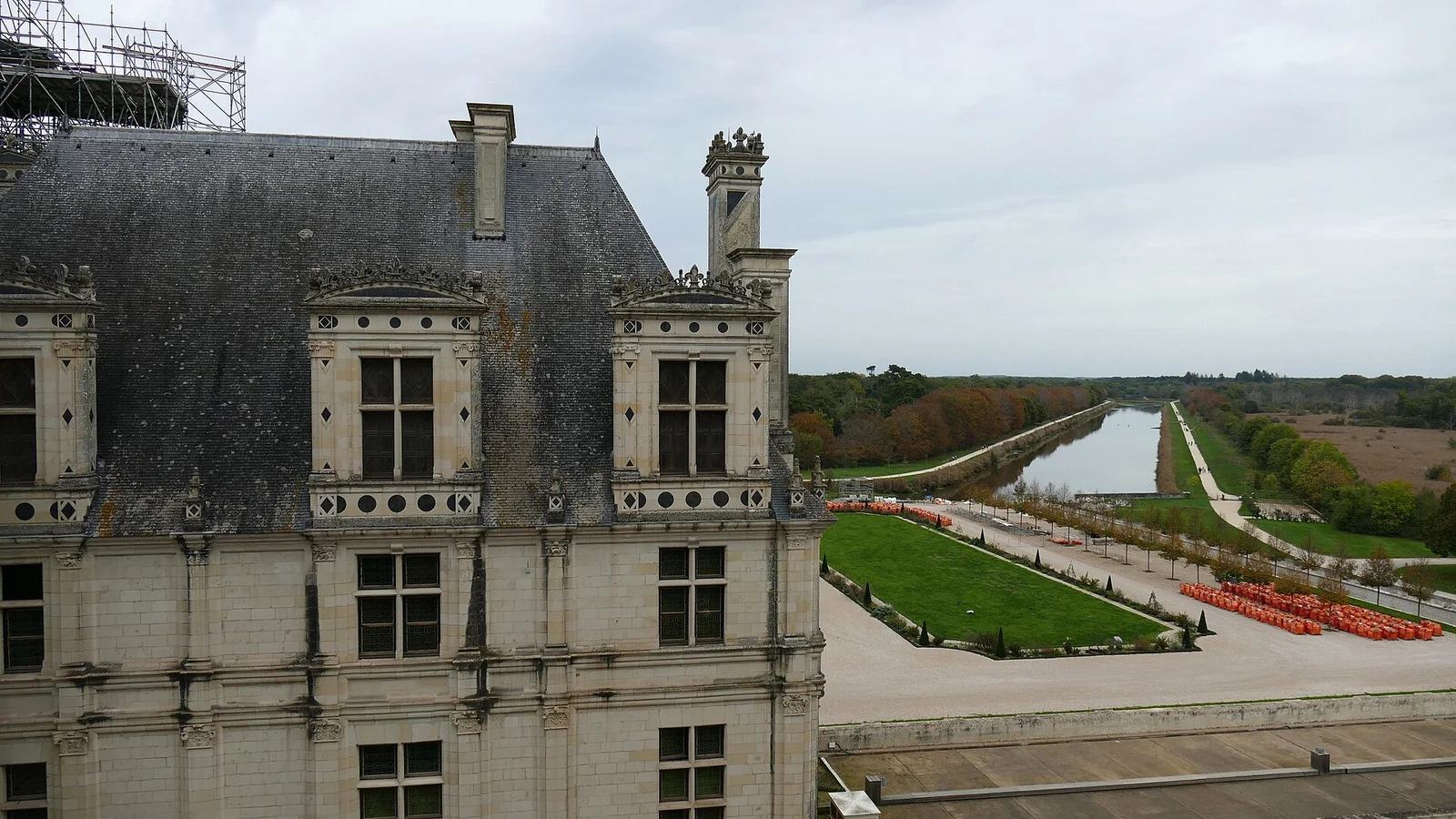
At Beaugency, the official page describes very partial assisted access to the courtyard, Salle des Gardes, café and toilets. Upper floors are not wheelchair accessible, including because there is no lift. At Chambord, likewise prepare an adapted route without assuming the staircase or terraces are accessible. Ask about actual spaces, distances and equipment. For children sensitive to darkness or sound, enquire about immersive installations instead of relying solely on a minimum age. Explain individual requirements clearly; the three sites cannot be treated as having one shared accessibility standard.
Budget for the whole excursion, not just admission
Compare tickets, transport, parking, meals and optional activities. As an arithmetic example, two adults meeting Chambord’s EEA preferential conditions pay €42 admission in 2026, then €8 for P0 if their car qualifies: €50 before meals and extras. Two adults at the reference rate pay €62, or €70 with that same parking. These are calculations, not sold packages. The difference comes from eligibility rather than language, and the final checkout and documents remain decisive.
At Meung, compare family products using actual ages; a child entitled to free entry can alter the calculation. At Beaugency, the advertised family age limit does not match every individual price band, so read the basket carefully. Plan food around final-exit rules and seasonal services. A monument café or snack counter is not necessarily operating outside the main season. For dinner back in Orléans, our food guide helps keep an option near your accommodation. A small reserve for a transport change is often more useful than another optional paid activity.
What to compare if you see more than one château
Give each visit a different question. At Meung, consider how a residence changes over time: façades, reception spaces and domestic rooms provide concrete evidence. At Beaugency, examine the meeting of old walls and contemporary interpretation. What did you understand before the projections, and what does the light experience add? At Chambord, look at how movement and architecture express a royal project. The staircase and views belong to a larger composition rather than functioning simply as backgrounds for photographs.
This approach prevents the three sites from merging into a repetitive sequence of rooms and stairs. Write one short note after each: something understood, an unanswered question or a contrast with the previous place. Children can choose a visible detail rather than memorising every date. There is no need to prove that one château is absolutely better. A travel choice may depend on atmosphere, easier access or a suitable programme. For a first Loire Valley stay, one thoughtfully visited monument is already a rewarding result.
Cold-season visits, animals and fallback plans
Autumn and winter daylight limit outdoor time even when an interior remains open. Put the outdoor section you value before darkness and take a layer suitable for cooler rooms or underground spaces. Park activities may close because of wind, rain or safety conditions. A summer photograph is not evidence that an activity operates in November. Ask what the actual product includes on the selected date before booking an event ticket. The same principle applies to a Christmas programme, which should be read as a specific offering rather than a continuation of every summer service.
Check animal rules independently at each château. Meung’s FAQ says ordinary dogs must be carried in a bag both indoors and in the park, with separate provisions for guide and assistance dogs. Do not extend that rule to the other sites. If your animal cannot be accommodated appropriately, adapt the plan before departure. When a connection is cancelled or a monument closes, choose a reachable open alternative instead of another distant destination whose calendar you have not checked. A practical fallback protects the day more effectively than collecting extra unverified options.
Booking correctly and avoiding common mistakes
- Choose the experience and check the exact opening date.
- Calculate the outward journey, final walk and last realistic return.
- Open ticketing from the château’s official website.
- Select age, status, evidence and options without assuming identical rules across sites.
- Read validity, slots, exit and modification conditions before payment.
- Save tickets and documents offline, then check last-minute notices.
Frequent mistakes include squeezing three châteaux into one day, using an expired price, confusing free surroundings with paid gardens, or copying one monument’s concessions to another. Meung is privately operated, so do not assume a pass for national monuments applies there. At Chambord, freely accessible surroundings and the château-plus-formal-gardens ticket are distinct. If weather or closure changes the plan, a day in Orléans can combine the Museum of Fine Arts and Hôtel Groslot, subject to their own hours. A visit to Parc Floral also requires a seasonal check rather than serving as an automatically available substitute.
Official sources for the final check
For Meung, keep the prices, calendar, FAQ and access information. For Beaugency, use practical details, accessibility and ticketing linked from the site. For Chambord, consult 2026 hours and prices, detailed tariff conditions and the FAQ. Checked on 10 November 2026. Suggested itineraries are planning advice; operators remain the authority for the day’s prices, access and exceptions.
Frequently asked questions
Which château should I choose for a first trip from Orléans?
Meung suits furnished interiors and family activities, Beaugency an experience combining heritage and light, and Chambord a dedicated day of royal architecture. The best choice depends on the actual calendar, transport and the group’s requirements.
Can I visit all three in one day?
Three complete visits leave very little room for journeys, breaks and attention. Meung and Beaugency can combine when transport and opening align. Chambord generally works better as a day of its own.
How much does Meung-sur-Loire cost?
The official page opened on 10 November 2026 shows €13.50 adult, €11.50 reduced and €10 for ages 4–15. Under-fours and over-eighties are listed as free with evidence. The advertised Pass Tribu is €54 under its composition rules.
Does everyone pay €21 at Chambord?
No. In 2026 the published reference rate is €31. EEA nationals or residents can qualify for €21 with evidence. Free and reduced categories have specific conditions. These quoted rates are stated as valid until 31 December 2026.
Which château is easiest without a car?
Meung and Beaugency have stations, with operator walking estimates of around ten and eight minutes respectively. Chambord needs an additional leg, such as the Rémi connection from Blois-Chambord when it operates on your date. Always establish the return.
Is Beaugency open every day of its season?
No. Its advertised 4 April–31 December 2026 season contains weekend-only periods, holidays and separate events. The winter programme lists weekends from 5–20 December and 21, 22 and 23 December. Check the exact product time.
Are all three entirely wheelchair accessible?
No. Meung limits indoor wheelchair access to the ground floor. Beaugency describes very partial assisted access to lower spaces and no wheelchair access upstairs. Chambord also needs an adapted plan. A reduced ticket never guarantees access to the entire monument.
Does ordinary admission include every activity?
Read each product. Meung includes ordinary activities but excludes some special events; Beaugency separates the exhibition, castrum and evening products; Chambord sells certain seasonal activities separately. Summer programmes should never be assumed to operate in winter.