The complete guide
Hôtel Groslot in Orléans: a complete visitor’s guide
Explore the Renaissance façade, reception rooms, garden and story of Francis II. Plan a considered visit with seasonal opening times, access advice, ceremonial closures and routes for different lengths of stay.
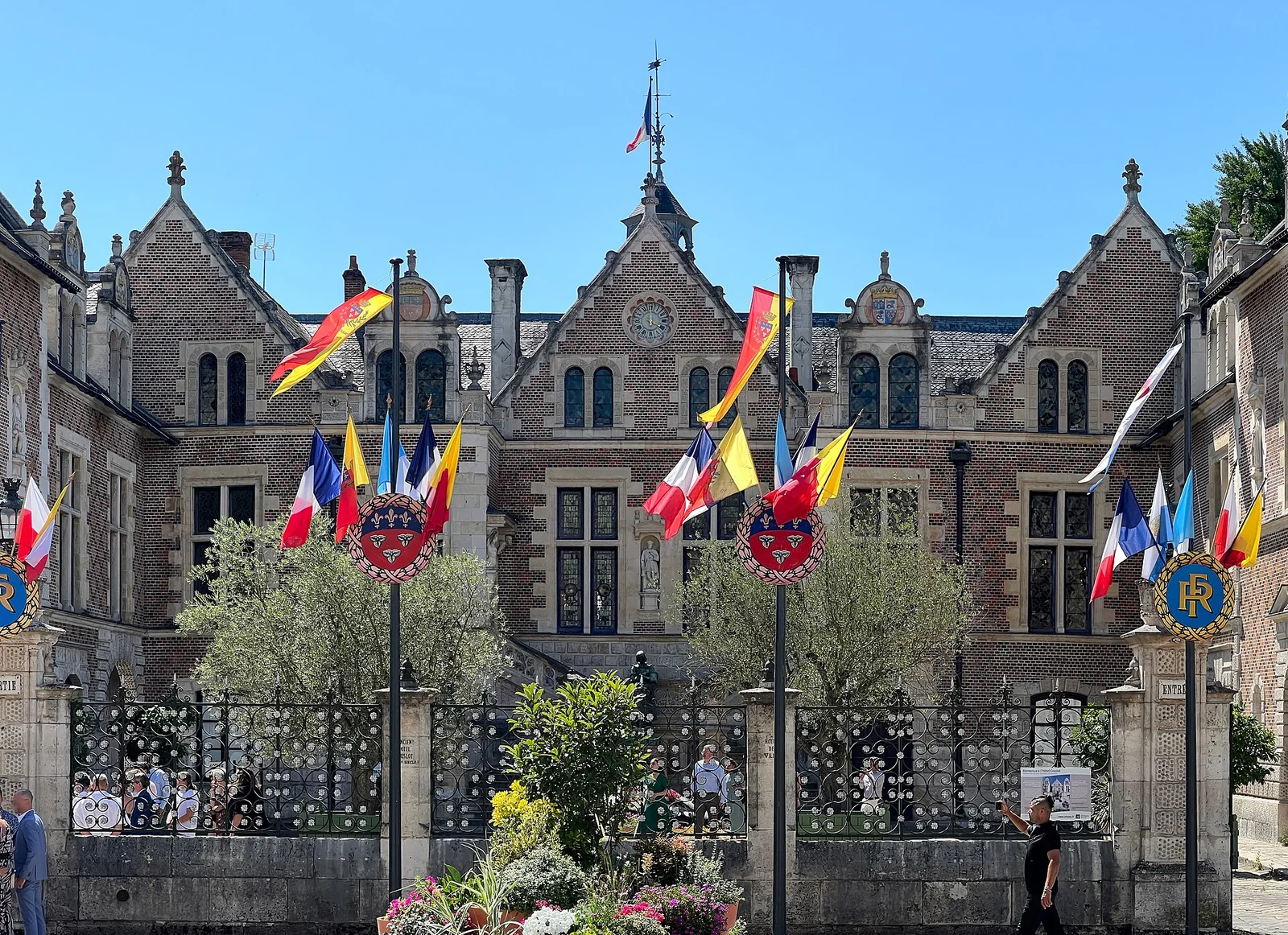
Hôtel Groslot is easy to fit into a visit to Orléans, but it rewards considerably more attention than a quick photograph through the gates. Behind its brick-and-stone façade, the reception rooms bring together several versions of the city: the confidence of a Renaissance household, an episode in royal history and the ceremonial life of a municipality. Understanding those layers makes the visit much more interesting than imagining a mansion preserved untouched since the sixteenth century.
This guide follows the practical journey through the building and its surroundings. It explains where to begin, how to look at the decoration, how to combine the rooms and garden, and what to do when a ceremony affects access. Suggested visiting times are our planning estimates, to be adjusted to your pace. Practical information was checked on 10 November 2026. The mansion still has official uses, so checking the arrangements for your particular day is especially worthwhile.
Hôtel Groslot at a glance
| What to know | Practical detail |
|---|---|
| Address | 2 Place de l’Étape, central Orléans |
| Type of building | A private mansion that became the old town hall and a ceremonial venue |
| Ordinary admission | Free, according to Tourisme Loiret |
| Suggested time | 45–60 minutes for the available rooms; around 90 minutes including the garden and pauses |
| Check before visiting | Daily opening, ceremonies, accessible route and event conditions |
| Building contact | +33 2 38 79 22 30; [email protected] |
The official monument listing provides contact details, admission information and visitor facilities. On a first trip to the city, group Groslot with Sainte-Croix Cathedral rather than making several separate journeys across the centre. Their proximity makes it easy to create a rewarding heritage walk, with enough flexibility for a lunch break or a change in the weather.
Three historical layers: a household, royal history and civic life
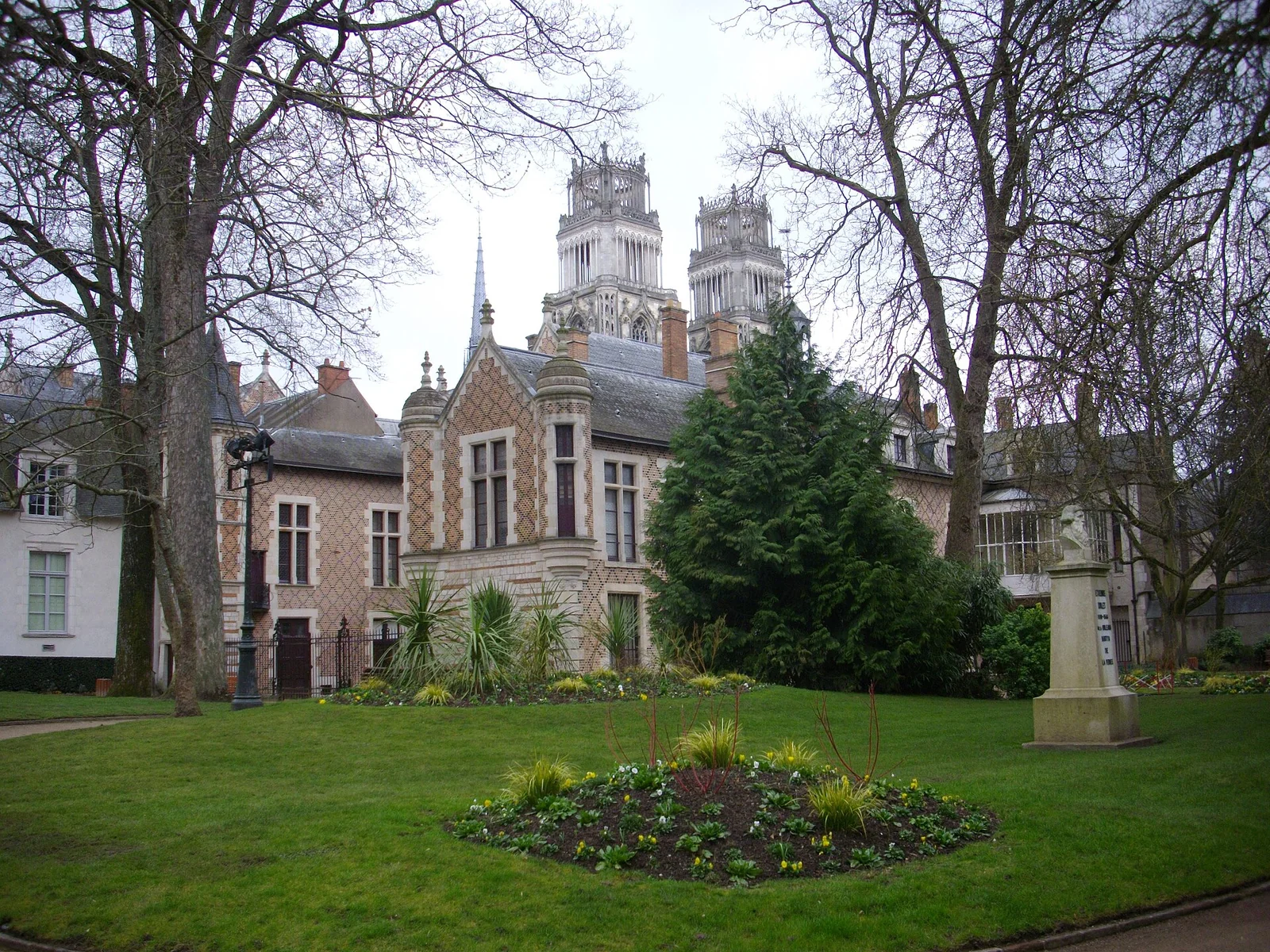
The city dates the construction to 1549–1558, commissioned by Jacques Groslot, the bailiff of Orléans, and attributes it to Jacques Androuet du Cerceau. This first layer is the home of a powerful urban figure in the middle of the sixteenth century. A mansion of this kind was also a statement of position and taste. Its architecture helped establish the impression a visitor received before reaching the main rooms.
The next layer connects the house with royal history. Francis II died here on 5 December 1560, an event recalled in the city’s Au fil de la ville historical guide. Catherine de’ Medici and the meeting of the Estates-General place that death in a politically unsettled period. This is a reason to pause in the room traditionally associated with the episode, while remembering that today’s decoration cannot simply be treated as a complete reconstruction of the king’s surroundings.
A third layer begins when the mansion became the town hall in 1790. A private residence acquired a public role, and later alterations helped it represent a civic institution. The building’s interest lies partly in this exchange between an older house and the ambitions of the municipality occupying it. Looking for the differences between those stages is more rewarding than giving every carved surface the same broad “Renaissance” label.
Read the façade from Place de l’Étape
Before going inside, step back far enough to understand the main composition. Begin with the relationship between brick and stone. Then follow the openings, rooflines and recessed sections, noticing how they arrange the elevation. Moving from the whole building to its details gives a much clearer sense of the house than immediately taking separate photographs of windows and ornaments.
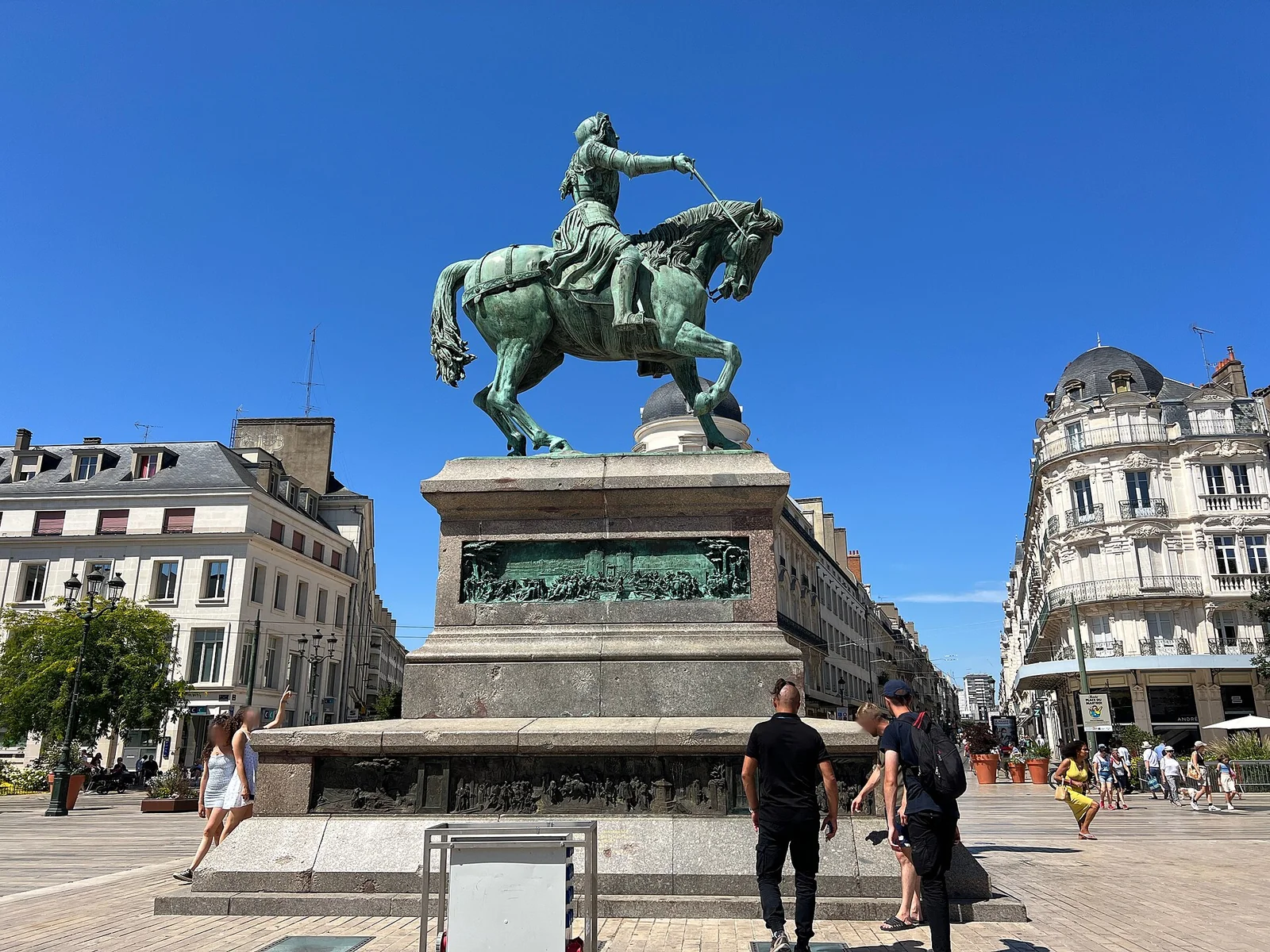
Next, approach the gates and consider how the courtyard and steps organise arrival. Changes in level and the principal lines of the façade create a small architectural sequence before the reception rooms. Give the statue of Joan of Arc outside its own moment of attention. It belongs to the city’s memory of Joan, but the mansion itself was built long after her time. The Joan of Arc walking guide helps keep those different dates and places in perspective.
Avoid standing in the centre of the approach while framing a photograph. Other people may be arriving for an appointment or ceremony. A general view from one side often provides a calmer composition; a second, closer image can then record a material or carved detail. Seeing the building through both views is useful later when you want to remember how the larger structure and its decoration work together.
Why the interiors contain more than one period
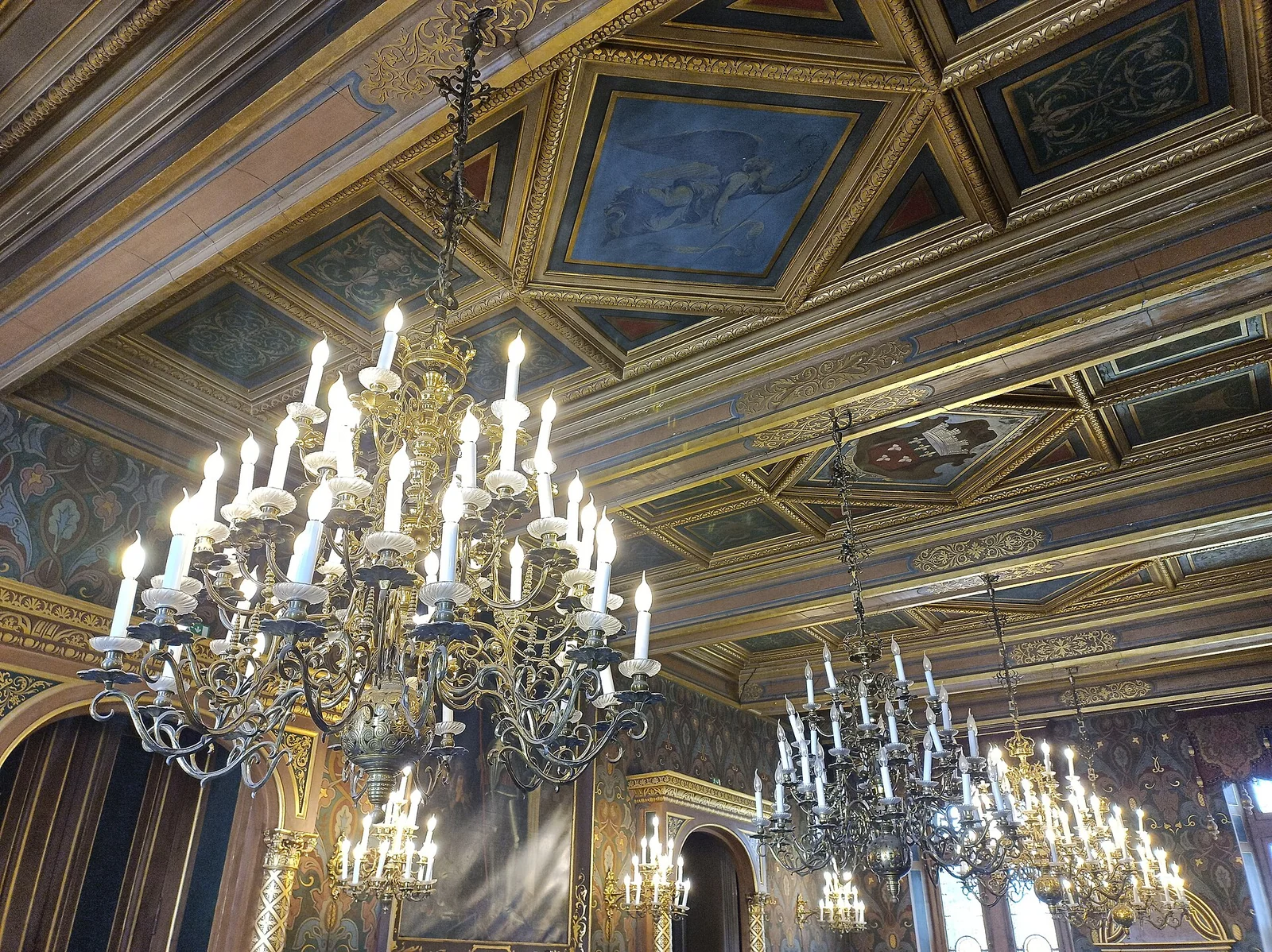
The city’s Renaissance heritage booklet dates Albert Delton’s alterations to 1850–1854 and describes additions and new ceremonial decoration. That information changes the experience of the rooms. Their elaborate ceilings and wall treatments also express a nineteenth-century interest in looking back at earlier styles and adapting them for public representation.
In each room, ask how the space was used and what impression its decoration was meant to produce. A formal ceiling, an imposing piece of furniture or a richly worked fireplace can shape the relationship between the host and the visitor. These details served more than everyday domestic comfort. They helped give authority and ceremony a setting.
This approach also prevents a common disappointment: searching for an object from Francis II’s time in every corner. An altered interior can be appreciated for the history it genuinely contains. If one object catches your attention, read its label or ask staff about it. A careful identification gives you a more satisfying memory than guessing its age from a style that happens to look old.
Begin at reception and establish the available route
On arrival, explain how many people are in your party and ask about any partial closure. A reception can affect one room without closing the entire building. Conversely, an open outer gate does not necessarily mean that visitors may enter the reception rooms. Wait for staff guidance before following a doorway that appears to lead into the route.
Ask whether a particular direction of circulation is required and which visitor materials are available. For a short visit, identify one principal room, one ceiling detail and one object or fireplace to examine. For a longer visit, plan to compare spaces instead of reading everything at the entrance and then rushing through the rest.
A booked guided activity has its own meeting time and location. An independent look around the building does not replace the need to arrive punctually for that separate reservation. Leave a comfortable gap before a cathedral tour or museum activity, particularly if members of your party need more time to walk, use an accessible entrance or find somewhere to sit.
The principal reception room: look at materials before names
The salon d’honneur is among the rooms highlighted in the visitor information. In a densely decorated interior, a simple sequence helps: spend a few moments looking at the walls, then the ceiling, then the furniture. Change position and notice how light gives depth to the surfaces. This turns a vague memory of an “ornate room” into a more precise understanding of what you have seen.
The Tourisme Loiret description draws attention to ceilings, panelling, wall coverings and tapestries. Compare their textures and the way they reflect light. You can investigate the difference between painted, woven and sculpted surfaces with your eyes; touching the decoration is unnecessary and may damage a fragile finish.
Choose a detail to follow through the visit. It could be a plant motif, a geometric shape or a particular colour. Look for it again in later rooms and notice how its role changes. With children, this becomes a quiet observation game; for adults, it creates a useful thread through a rich interior without requiring a complete catalogue of every object.
Fireplaces, ceilings and objects: a closer-looking method
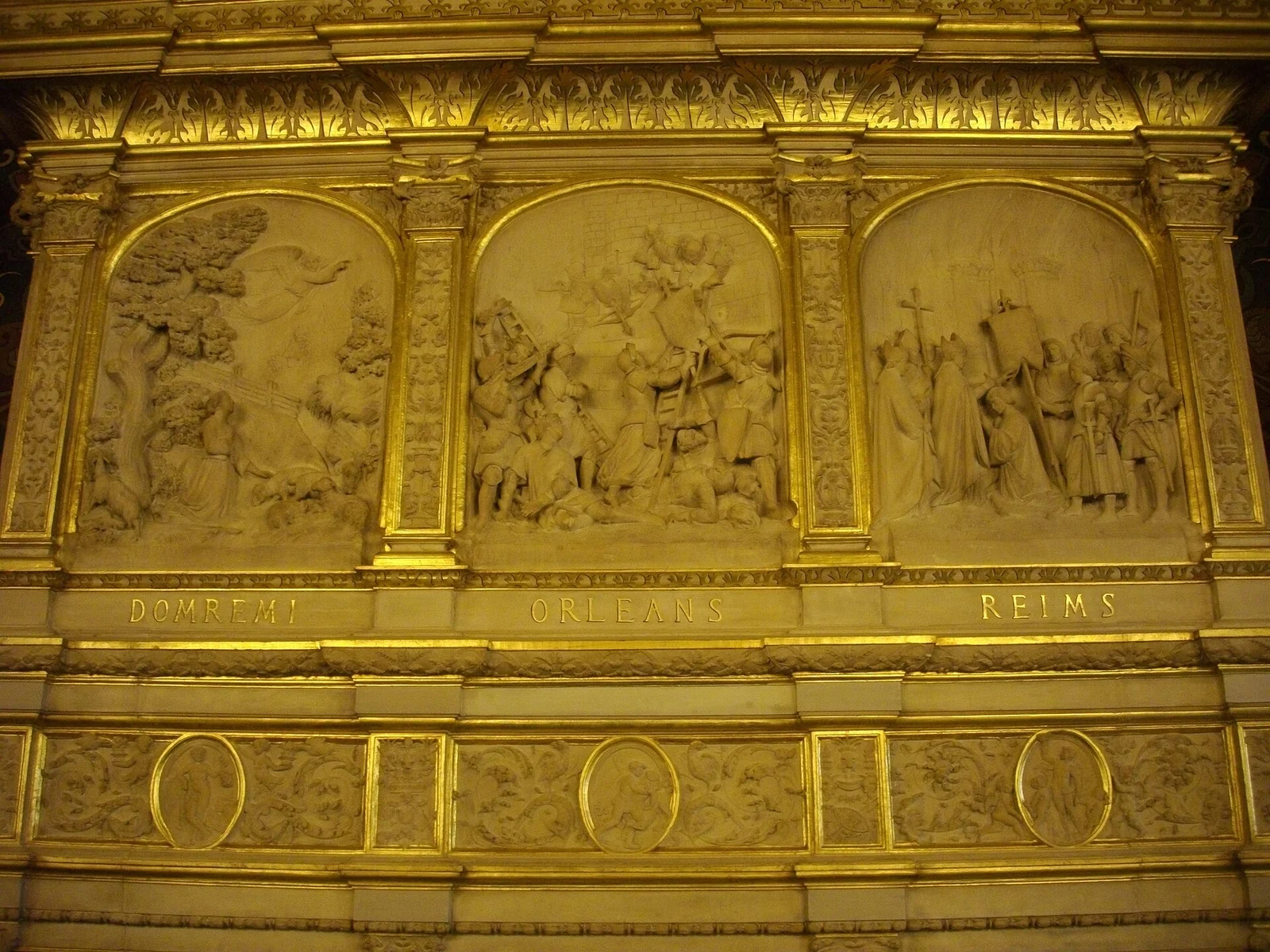
A fireplace is a good place to pause because it combines several kinds of information. Look at its position in the room, the framing around the opening and the decoration above it. From a distance, it may read as a single large object. At a respectful viewing distance, relief, texture and the relationship between materials become much clearer.
For ceilings, stand where you can look up without blocking other visitors. Alternate between looking overhead and looking ahead so that the visit remains comfortable. If photography is permitted, one steady image is usually more useful than a rapid sequence taken with flash. Check the rule first; an apparently empty room is still a shared and sensitive heritage space.
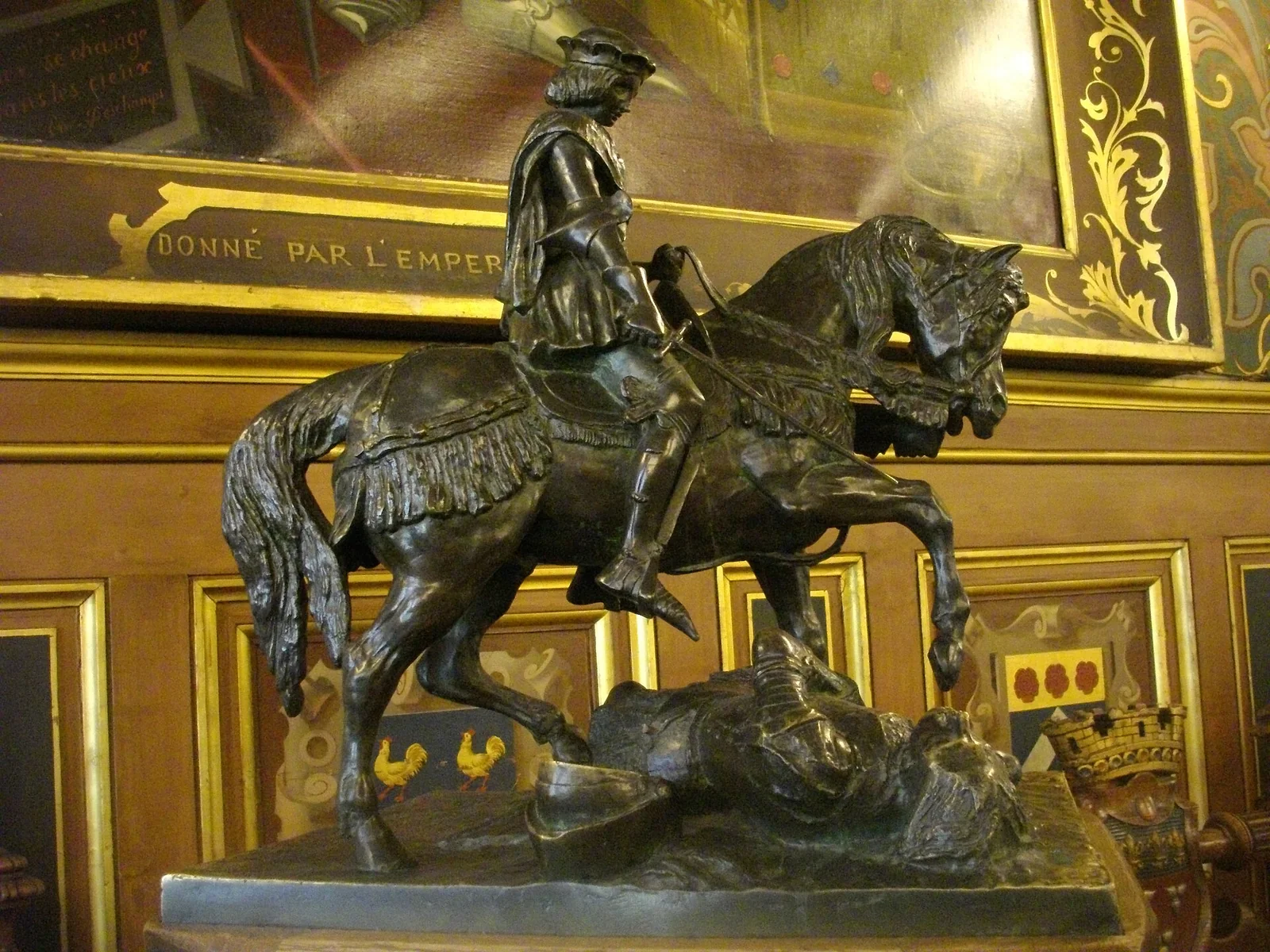
Objects may refer to Joan of Arc, political events or civic memory. Their labels matter. A sculpture representing a fifteenth-century episode can have been created centuries later, and a scene’s historical date is not the same as the date of the object depicting it. Keeping that distinction in mind makes the collection easier to read and avoids turning visual familiarity into an unsupported historical claim.
The former council room and mayor’s office
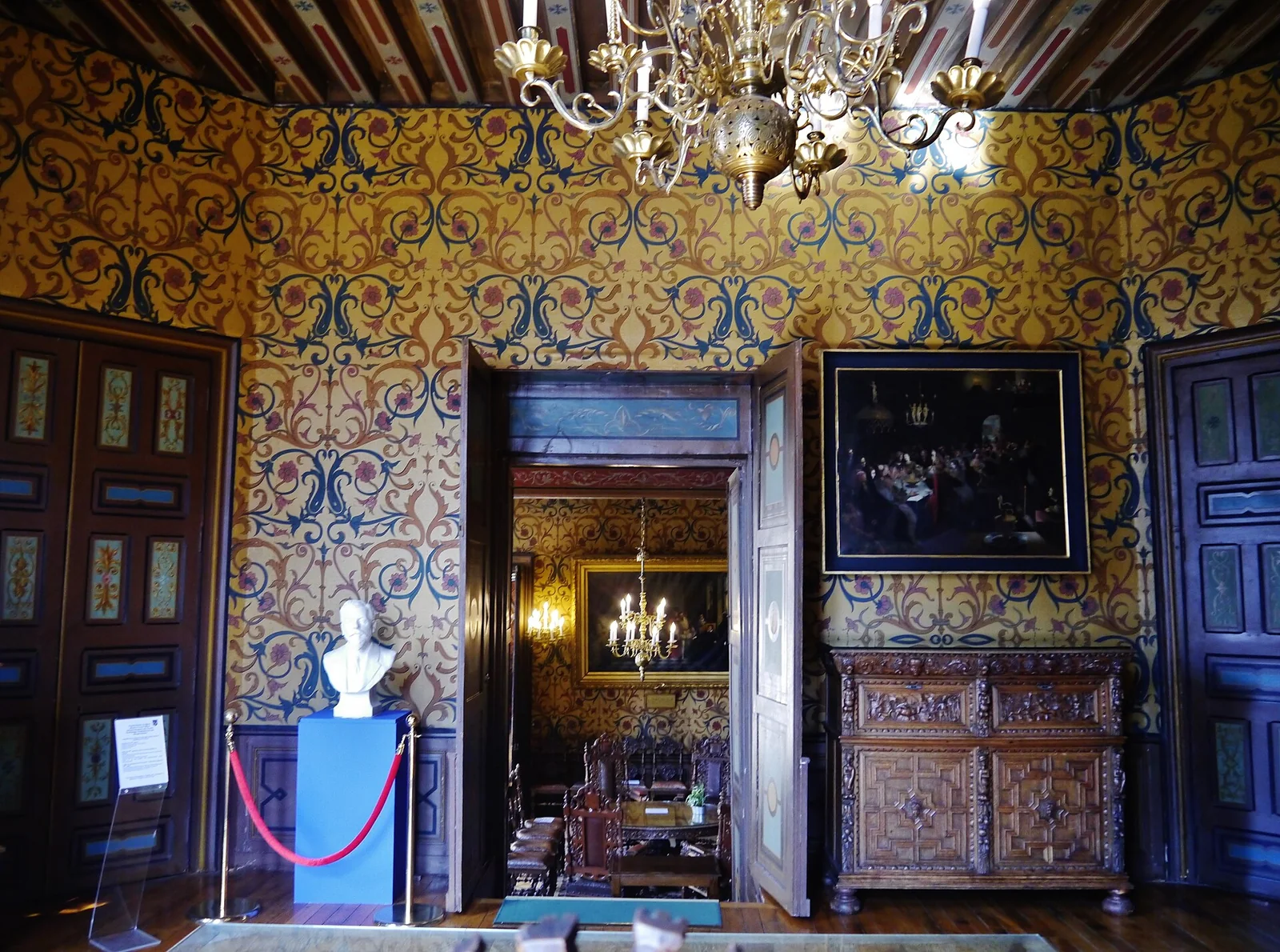
Rooms associated with the council and the mayor shift the emphasis from private household to public institution. A meeting room, an office and a reception room organise people differently. Look at the scale of the furniture, the available space and the way the room frames the person receiving a visitor. These arrangements help explain how a building can communicate authority as well as provide shelter.
In the former mayor’s office, compare the proportions with the larger reception rooms. The atmosphere may feel more concentrated, yet the decoration continues to give the space an official presence. You do not need to memorise a list of mayors to appreciate that role. A few carefully observed details can connect the mansion to the public life of Orléans.
This is also a useful reminder that the functions of a monument change over time. The current address of an administrative service and the tourist route are not automatically identical. If you are attending a wedding or an appointment, follow the directions provided with it. If you are sightseeing, use reception and respect any areas reserved for official or private activities.
The wedding room and the memory of Francis II
The wedding room brings together the memory of Francis II’s death and the ceremonial role that continues to animate the mansion. The city’s historical publication places 1560 in the wider story of Orléans. It does not mean that the present arrangement of furniture can be used as an exact plan of the royal room.
This part of the visit deserves a pause, but a private event should be allowed to remain private. When a room is occupied, stay within the authorised route and be prepared to return. Occasional closure is a normal part of a monument that still has a living ceremonial purpose. Allowing for it in your schedule is more useful than treating it as an unforeseen disaster.
If you hope to photograph event decoration, ask permission, especially when names, documents or guests may appear. For an architectural image, wait until the room is available and choose a view without identifiable people. Giving ceremonies their own space makes it easier for civic life and tourism to share the building respectfully.
The garden has its own approach and arrangements
The garden is a rewarding extension, but do not assume that it follows exactly the same access arrangements as the rooms. Locate its entrance on the Rue d’Escures side and read the signs on arrival. Check the posted closing time before settling down for a long pause. A garden gate and a visitor-room entrance can operate differently even when they belong to neighbouring parts of one historic site.
The city’s Renaissance booklet explains that remains of the Saint-Jacques chapel and the Hôtel de Coligny portal were reassembled here in 1883. These are relocated architectural fragments, rather than a complete chapel operating as a second indoor museum. Look closely at their surviving materials and carved details instead of expecting an interior route that the remains do not offer.
In summer, planting, shade and views of the mansion encourage a longer stay. In winter, the garden provides a different understanding of the building’s shape. The value of the stop does not depend on a promised flowering date. A photograph records one seasonal appearance, while your own experience will depend on the weather and the garden’s condition on the day.
Opening times: summer, winter and ceremonial closures
The local tourism heritage leaflet provides a seasonal timetable. It is more useful for planning than a general statement that the mansion opens every day. Use these published reference hours, then confirm the arrangements that apply to your date.
| Period | Days | Published opening |
|---|---|---|
| October to the end of June | Monday–Friday | 10:00–12:00 and 14:00–18:00 |
| October to the end of June | Saturday | 10:00–19:00 |
| October to the end of June | Sunday | 10:00–18:00 |
| 1 July–30 September | Daily | 09:00–19:00 |
In November, a weekday arrival at 12:30 may therefore fall in the midday break. Aim for a morning start or a visit after 14:00, allowing enough time before closing. For a public holiday, a short stop between trains or a visit requiring particular assistance, contact the building. A date omitted from a general closure list should not be treated as a personal guarantee of admission.
Free entry, guided visits and booking
Tourisme Loiret lists ordinary independent admission as free. A talk, workshop or guided walk can still have its own charge. Each activity has a particular date, meeting place and content. Comparing two prices only makes sense after checking what each offer includes.
- Look at the current activities on the Orléans Val de Loire Tourisme booking site.
- Open the exact listing and read the language, duration, visited spaces, suggested age and cancellation terms.
- Choose the actual date and check the total, including any evidence needed for a reduction.
- Keep the ticket and meeting address. An activity sold by the tourist office does not necessarily begin at its counter.
The municipal article introducing the Groslot booklet dates from 2023. It remains useful for the background to the publication and the building, but its old booklet and souvenir prices are not guaranteed 2026 charges. Read the price displayed when you visit and decide whether you want a lasting reference to the rooms and their history.
Map and arrival: finding the monument
Save Hôtel Groslot,2 Place de l’Étape, in Google Maps. Include Orléans and the complete address, since searching only for “hotel” can introduce accommodation into the results. If your group is meeting there, agree on the gate or reception rather than the imprecise instruction “near the cathedral”.
🗺️ Your planning map
Load the map when you need it, or open directions directly. Loading the map connects to Google Maps.
Open in Google Maps ↗Approaching on foot from the central streets helps explain the relationship between the cathedral, the museum and Place du Martroi. Rail passengers should check their actual station: Orléans and Les Aubrais are separate stations. For urban transport, use the official TAO journey planner for your date instead of relying on a line number saved in an old screenshot.
If you drive, choose parking first and finish the journey on foot. The mansion’s courtyard should not be treated as a tourist drop-off area. Check charges, height restrictions and availability with the car-park operator. Arriving slightly farther away and following a clear walking route is often easier than repeatedly circling a historic block while trying to find the closest possible place to stop.
Wheelchairs, pushchairs and a comfortable pace
The tourism listing mentions facilities for visitors with reduced mobility. A general accessibility label does not describe every threshold, room and temporary route. Before travelling, ask which entrance to use, whether the rooms you hope to see are on the available accessible route and whether a ceremony changes the usual arrangements.
A useful enquiry describes your needs clearly: a manual or powered wheelchair, difficulty with steps, a need for seating or a pushchair that cannot be carried. Ask, “We plan to arrive at this time; which route is accessible today and where should we report?” Staff can then give an answer relevant to your visit rather than a broad promise based on a symbol on a website.
For fatigue, select a smaller number of rooms and pause before continuing to the garden. Keep your hands free and avoid carrying a large travel bag through the reception rooms. Families with pushchairs should also ask about the day’s policy. Being able to enter a building does not mean a pushchair may be left wherever convenient, particularly when other rooms are in ceremonial use.
Visiting with children: turn details into an observation game
A lengthy history lesson is unnecessary for a successful family visit. Before entering, suggest three small tasks: find a repeated motif, identify a material and choose one detail whose story the child would like to know. In each room, children can explain their choices in a sentence or two. Different ages can take part without turning the route into a race.
Explain the rules clearly: stay with the group, keep voices low and leave furniture and decoration untouched. A photograph of a fireplace or ceiling can become a reminder of the observation game. If concentration fades, keep the garden for the end, while making clear that it is still a shared place rather than an unrestricted playground.
Do not promise a permanent treasure hunt, activity booklet or workshop without checking it. A family activity advertised in an events calendar may run only on particular dates. Alternate Groslot with some outdoor time and a meal break. The three-day Orléans itinerary helps distribute visits across a stay rather than putting every interior into one crowded afternoon.
Choose a 30-,60- or 90-minute visit
| Format | Suggested approach | Best for |
|---|---|---|
| 30 minutes | Façade, reception, one or two rooms and one memorable detail | A stop during a busy city walk |
| 60 minutes | Façade and available reception rooms, reading the main labels | An attentive first visit |
| 90 minutes | Rooms, decorative details, garden and a quiet pause | A slower heritage visit |
These are planning suggestions, not ticketed entry slots or guarantees that every room will be open. A 30-minute visit can be satisfying when deliberately chosen, but frustrating when you try to fit every label and photograph into it. Decide on your departure time before entering, then select the stops that matter most to your group.
Leave time to come out and find your next route. When the next activity is paid and cannot be changed, a comfortable margin is worth more than one final hurried photograph. Walking between entrances, finding an accessible approach and speaking to reception are all part of the real time used by a sightseeing day.
A rewarding half-day around Groslot
A straightforward sequence begins with Sainte-Croix, continues to Groslot and leaves the garden before descending into the older streets. The scale changes naturally: a religious monument, a ceremonial house, a planted space and then the urban fabric. Following that sequence gives the half-day a clear rhythm and makes it easier to remember the differences between the places.
If art is your priority, shorten the outdoor walk and allow a proper visit to the Museum of Fine Arts. A considered selection of galleries is more rewarding than arriving just before the building closes. If you want more time outside, continue through the centre towards the Loire quays and viewpoints after Groslot.
A meal is the practical hinge in this arrangement. During the colder months, the weekday midday break can be a sensible time for lunch. Find a table and its actual reception times before you set off, using the Orléans food and restaurant guide. A restaurant’s kitchen can stop serving before its dining room closes, so a little planning helps avoid a disappointing last-minute search.
Photograph the interiors considerately
The decoration invites photography, but begin by looking carefully. In a dim room, steady your phone and use available light if photography is allowed. Flash may be prohibited or simply disruptive. Check the rule rather than assuming that a room without a visible sign has no restrictions. Avoid equipment that occupies a doorway or prevents other people from seeing an object.
Three complementary photographs often tell the story well: a room view, a material detail and a connection between two spaces. Windows, chandeliers and polished surfaces create reflections. Moving slightly usually helps more than pushing digital zoom to its limit. A clear composition preserves a useful memory without turning the visit into an extended photo session.
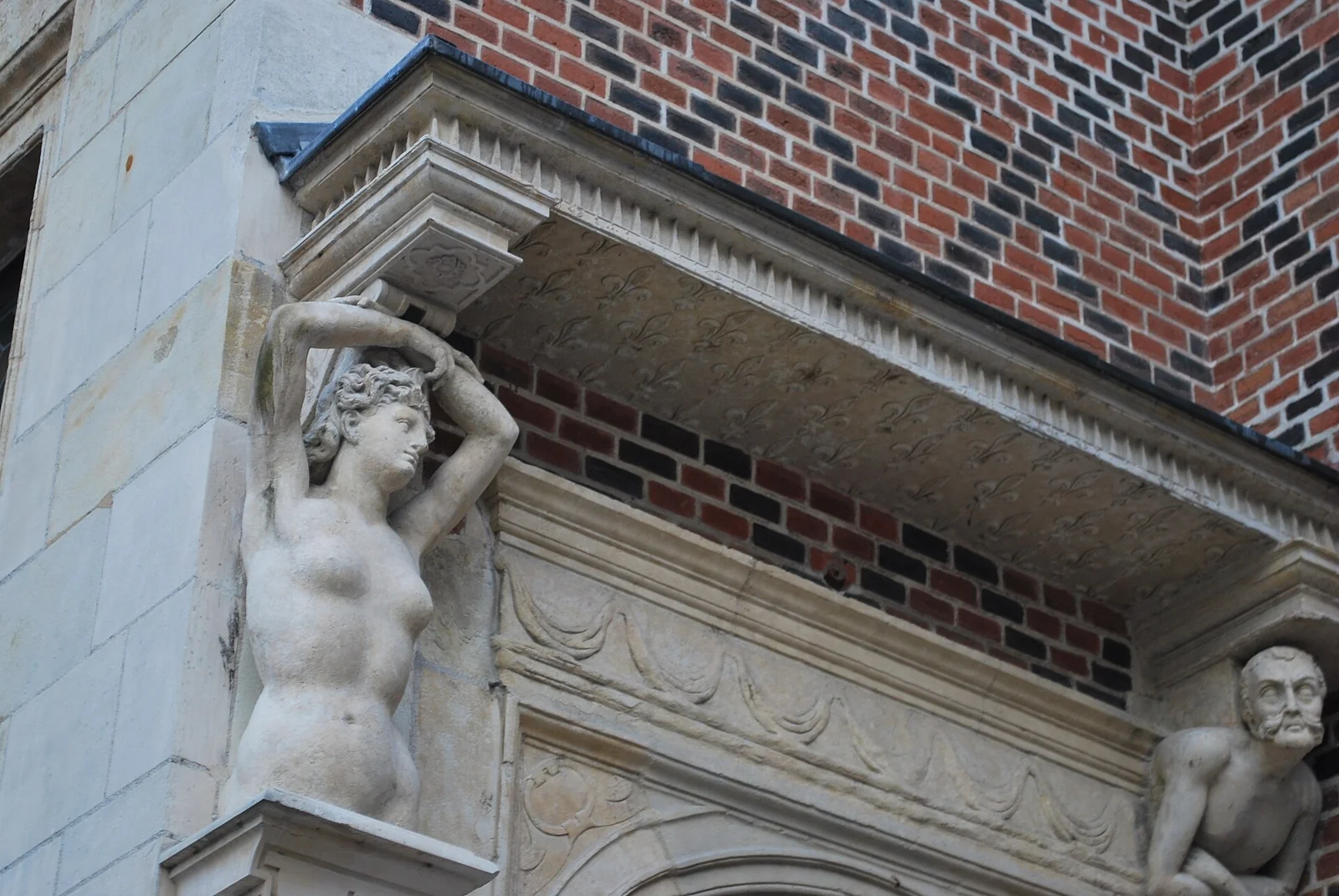
Outside, look closely at the carved entrance details. They reveal another scale of craftsmanship. Strong sunlight can produce a sharp contrast between pale stone and shadow, so check your framing before taking the image. Once you have your photograph, make room for the next visitor and continue observing the actual building around you.
Rain, heat and closed rooms: keep a useful alternative
Groslot can be an appealing indoor stop on a rainy day, but it is not a guaranteed shelter at every hour. Check the timetable before walking across the city in heavy rain. A midday break or reception can alter the plan. A confirmed alternative visit or a planned café stop is preferable to waiting indefinitely outside the gates.
If only the garden is unappealing in the weather, concentrate on the open rooms and return in another season for the exterior. If the inside is closed, examine the façade from public space and postpone admission. Neighbouring attractions have independent rules, so one building being open does not automatically make the next one available.
During hot weather, alternate looking and resting, carry water for your walks and keep the programme manageable. In autumn and winter, garden paths and streets can be slippery. Adjusting the route is part of good travel planning. A shorter visit made in comfortable conditions often leaves a clearer memory than forcing every stop into an unpleasant afternoon.
Keep the budget clear even when admission is free
Free ordinary admission allows you to spend on the elements that matter to you: an available guided activity, a booklet, lunch or another cultural visit. For an independent stop, the Groslot entry line can therefore be zero. Add transport, parking and optional purchases separately. This gives a realistic picture of the day rather than implying that every part of the outing will be free.
If considering a sightseeing pass, compare only the activities you genuinely intend to use and the dates when they are available. Do not give free Groslot admission an artificial value to justify a purchase. A guided tour may still be worthwhile for the person leading it and the interpretation offered, even when an independent visitor can enter some rooms without a ticket.
The pre-visit checklist
- Season and day: allow for the weekday midday break outside summer.
- Ceremonies: ask whether the rooms you want to see will be available.
- Address: save the monument on Place de l’Étape rather than accommodation.
- Access needs: enquire about a wheelchair, pushchair or a need for a shorter route.
- Visit type: distinguish ordinary entry, a guided activity and a dated event.
- Time: choose a short visit, a full interior visit or a garden extension.
- Next stop: leave a real margin before a meal or another reservation.
- On site: respect the route, ceremonies and photography rules.
To continue afterwards, the Old Town walking guide links streets, squares and the riverfront. Groslot also works well as a second-day visit. The central location makes returning straightforward, so there is no need to force every available room and nearby attraction into a single hurried stop.
Official sources for planning and updates
Check practical arrangements again before travelling, especially for a ceremony, public holiday or special activity. These sources distinguish the building’s history from ordinary access and separately booked experiences.
- Tourisme Loiret: Hôtel Groslot admission, contact and facilities.
- Tourism heritage leaflet: seasonal hours and ceremonial closures.
- City of Orléans: the monument and its booklet,2023 publication.
- City heritage service: Renaissance architecture and Delton’s alterations.
- City of Orléans: Au fil de la ville historical context.
- Ministry of Culture: protected monument record PA 00098851.
- Tourist office: current activities and reservations.
Frequently asked questions
Is Hôtel Groslot somewhere to stay overnight?
No. The name refers to a historic private mansion that became the old town hall and a ceremonial venue. Visit it as a monument. When planning your arrival, use the complete address: 2 Place de l’Étape, Orléans.
Is ordinary admission to Hôtel Groslot free?
The official Tourisme Loiret listing gives free ordinary admission. A workshop, event or guided visit may have separate booking arrangements and charges. Read the exact activity listing before reserving rather than assuming every experience is included.
What are the autumn and winter opening hours?
The tourism leaflet lists October to the end of June as 10:00–12:00 and 14:00–18:00 on weekdays, 10:00–19:00 on Saturdays and 10:00–18:00 on Sundays. Confirm access for your particular day, especially public holidays and ceremonial dates.
How long should I allow for the rooms and garden?
Allow around 45–60 minutes for a considered look at the available rooms. Including the garden, decorative details and a pause, around 90 minutes is more comfortable. These are sightseeing estimates rather than reserved entry slots.
Why might one room be closed while the mansion is open?
Hôtel Groslot continues to host receptions and ceremonies, including weddings. Staff may close individual rooms or change the route. Ask at reception which spaces are available and keep a nearby alternative in your plan.
Can I visit with a wheelchair or pushchair?
The tourism information mentions facilities for visitors with reduced mobility. Contact the monument on +33 2 38 79 22 30 to discuss the suitable entrance, available rooms and any daily restrictions. A general accessibility symbol does not describe every room or temporary arrangement.
Did Francis II die at Hôtel Groslot?
Yes. The city’s historical guide records his death on 5 December 1560. The interiors visible today underwent later alterations, particularly in the nineteenth century. The date of the historical event therefore does not automatically date the room’s furniture or wall coverings.
How do I include the garden?
Find the approach on the Rue d’Escures side and check the opening times posted there. The garden offers a different view of the mansion and contains architectural fragments. Its access arrangements should be checked separately from those of the reception rooms.