The complete guide
Orléans Museum of Fine Arts: the complete guide to works, routes and admission
Chardin’s pastels, European painting and views of Orléans: choose a route, understand the collections and make time to look properly.
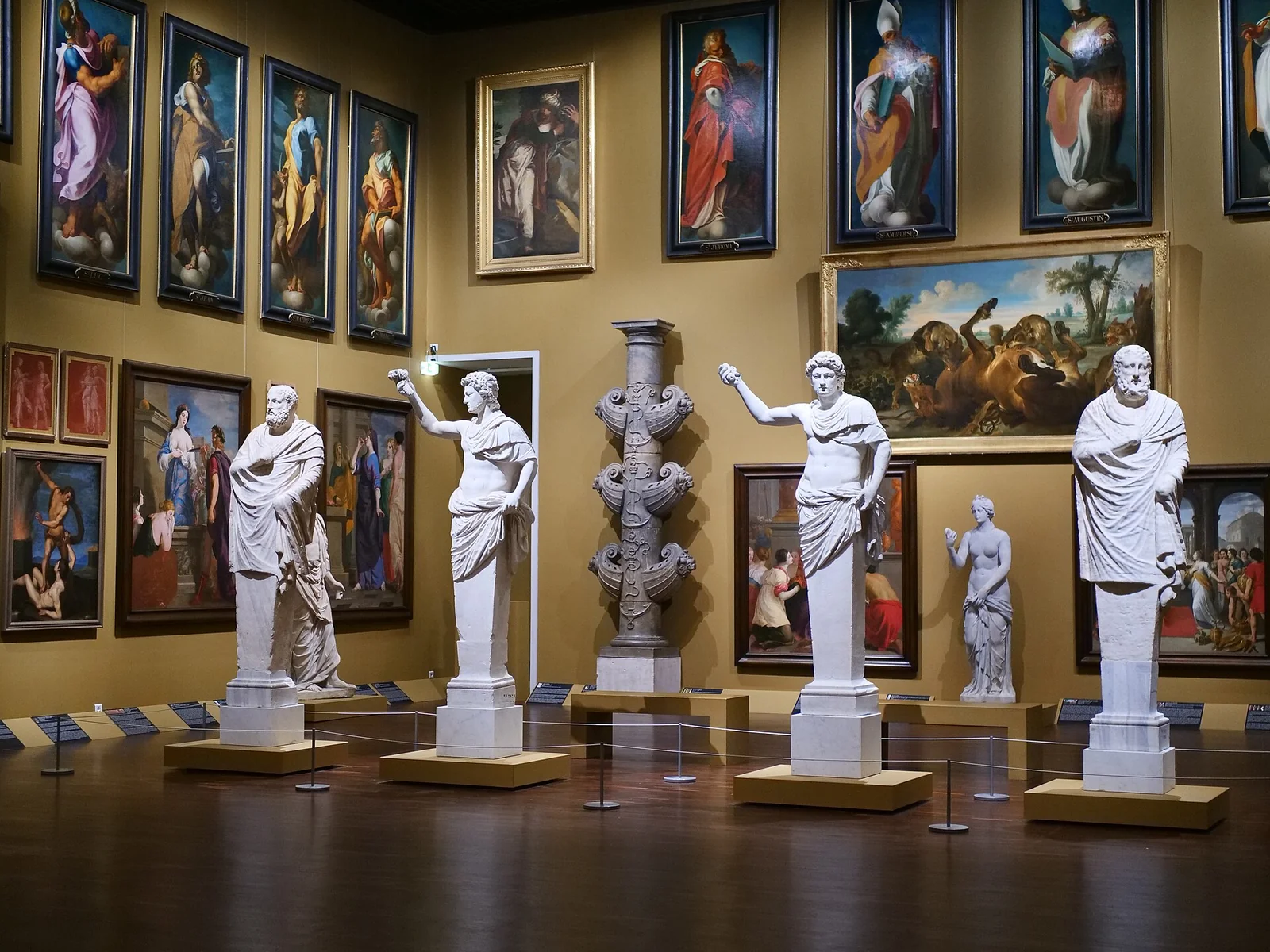
A few steps from the cathedral, the Orléans Museum of Fine Arts deserves a place in your trip in its own right, rather than merely serving as a shelter when rain arrives. Paintings, sculpture and pastels take you through several centuries of European art without leaving the historic centre. The strongest visit is not necessarily the one that covers every room. Choosing a few works, understanding the layout and allowing time to look usually creates a more memorable experience than rushing between floors.
This guide brings together historical context, works to seek out, prices, opening hours and the practical details that genuinely change a plan. Information was checked on 10 November 2026. Loans, conservation work, rehanging and events can change the route. Start with our three-day Orléans itinerary if you are organising the whole stay, then select a museum visit that matches your available time and energy.
Essential information for your first visit
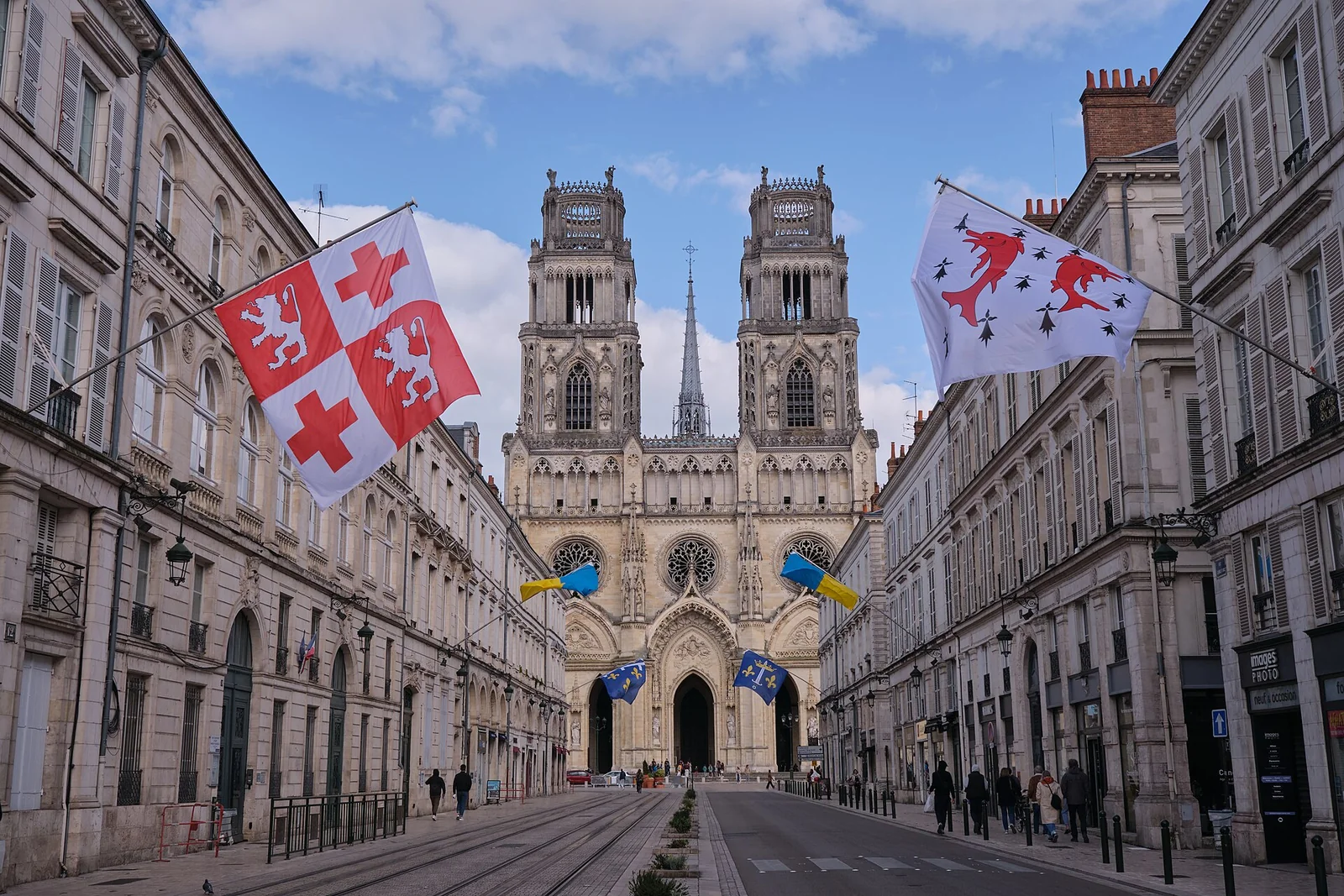
The museum stands on Place Sainte-Croix, in the monumental heart of Orléans. The location makes it easy to combine religious heritage, art and a city walk, but the attractions remain separate visits. The cathedral has services and its own arrangements; the museum has admission rules, opening times and conservation requirements. Plan each one individually before joining them into a day. The official museum page gives approximately fifteen minutes on foot from Orléans station. Leave a margin if you have luggage, need rests or are finding your way through the centre for the first time.
| Point to plan | Practical information |
|---|---|
| Address | Place Sainte-Croix, 45000 Orléans. |
| Suggested time | About 90 minutes for a selection, or two to three hours for a broader route. These are suggestions, not compulsory durations. |
| Ordinary admission | €8 full price, with a shared ticket valid for one day at the participating museums. |
| Day to watch | Normally closed on Monday; Sunday opening begins at 1 pm. |
| First task inside | Ask for a map, closed galleries and the current locations of priority works. |
From Revolutionary collections to today’s museum
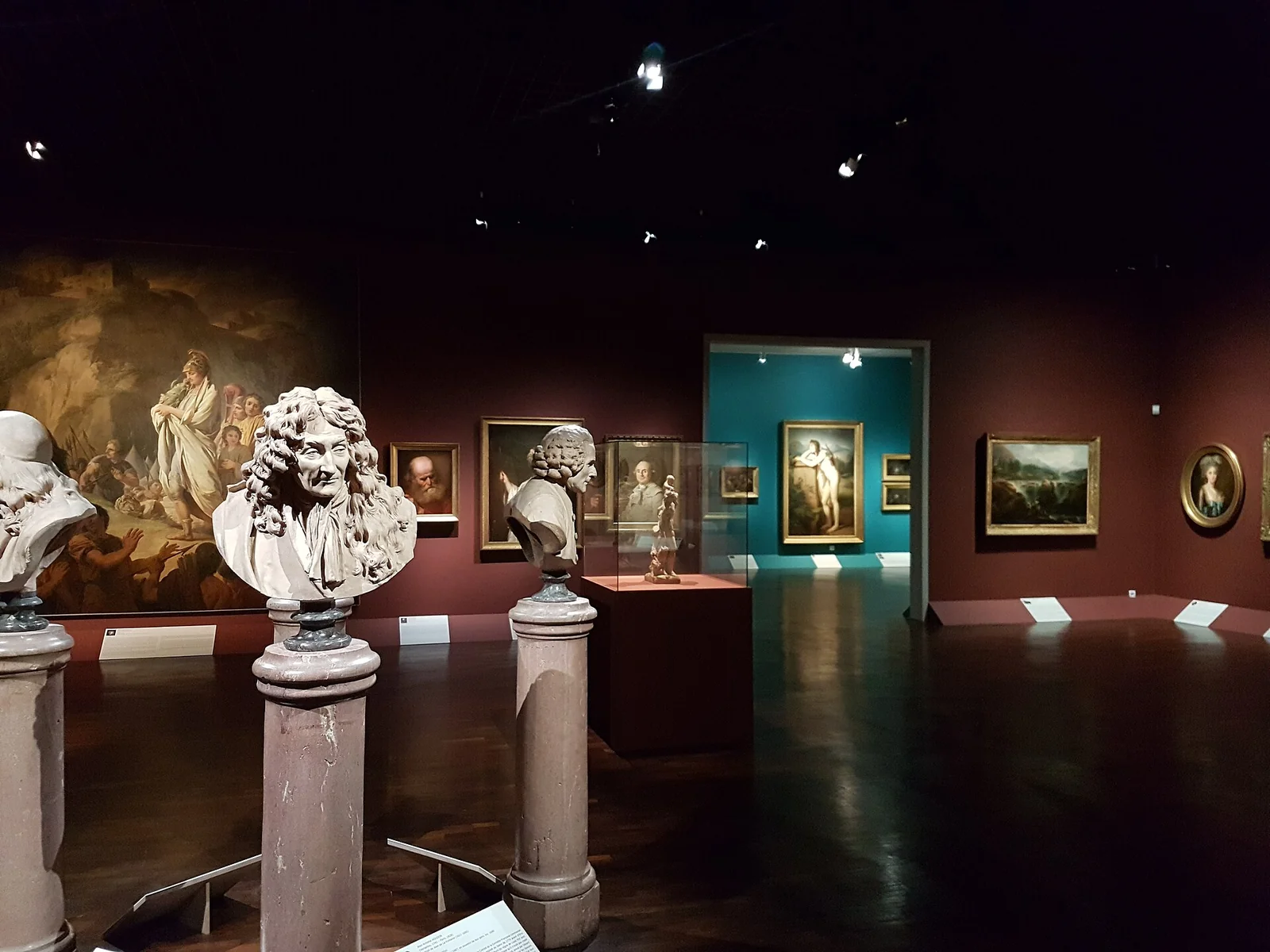
The official museum history traces an Orléans museum to 1799, formed from Revolutionary seizures and directed by the painter Jean Bardin. That account links the early collections with drawing education. The institutional project developed in the nineteenth century, with public documentation placing the announcement of a museum in 1823 and its opening in 1825. These stages help explain why a municipal collection can contain important works from very different circumstances: deposits, acquisitions, gifts and the decisions of successive collectors and curators.
🗺️ Your planning map
Load the map when you need it, or open directions directly. Loading the map connects to Google Maps.
Open in Google Maps ↗The story has continued through changes to the galleries and the presentation of the collections. The age of an object and the age of its current display are therefore different things. A photograph taken years ago does not prove that the same work still occupies the same wall. During your visit, look at provenance information and acquisition dates where supplied. They reveal another history: how Orléans assembled its artistic heritage and how that heritage has been understood over time. You do not need to read every label to notice this process; a few carefully chosen examples make it clear. Explore the official museum history.
Understand the floors before choosing a route
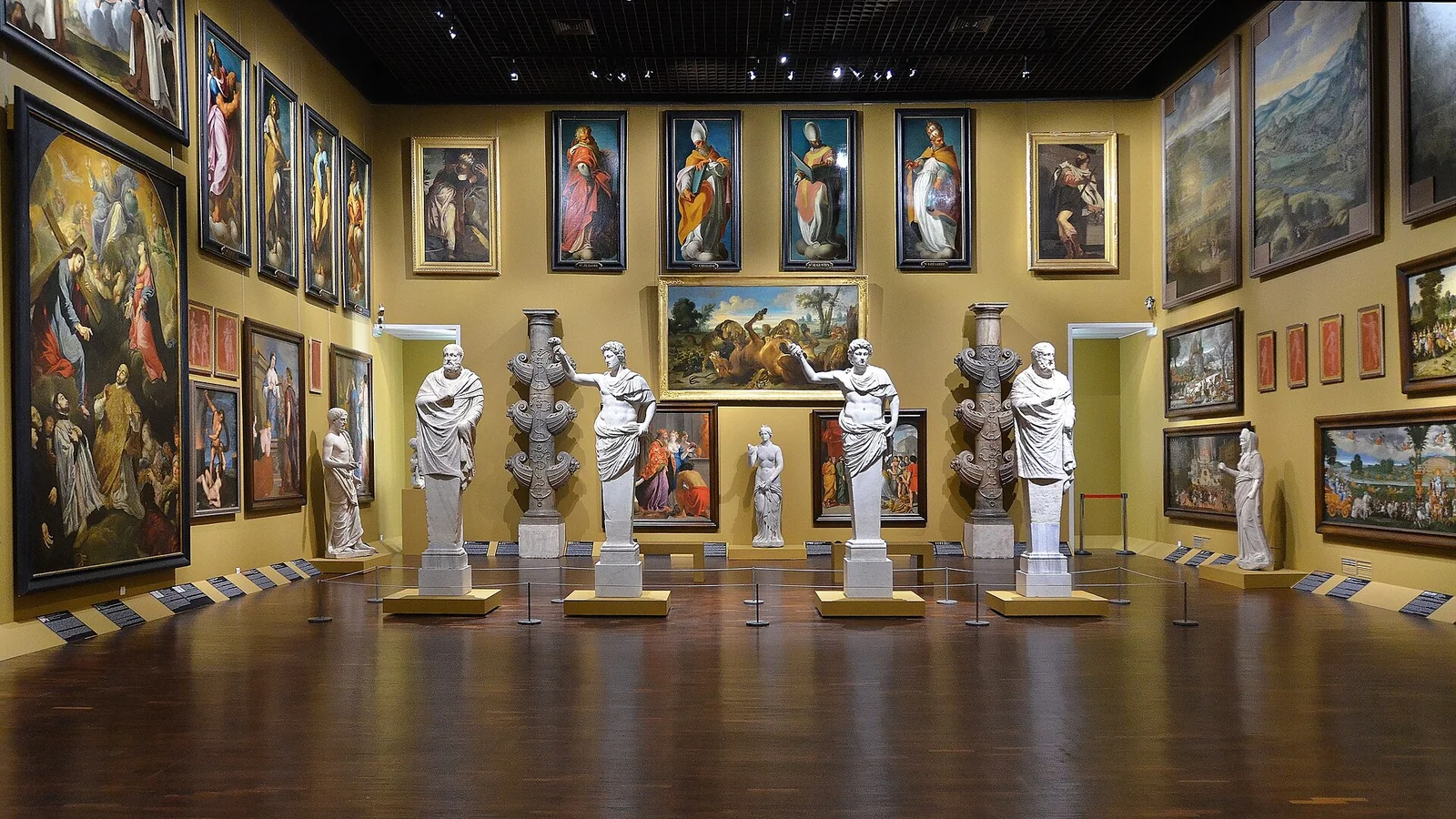
The published layout spreads the collections across several levels. The second floor includes European art from the fifteenth to seventeenth centuries. The first links the seventeenth and eighteenth centuries and includes the pastel cabinet. Mezzanines develop nineteenth-century schools, while the basement presents modern and contemporary art. Treat this structure as a mental map, rather than a compulsory order. Someone interested in portraits can make a route across periods; someone unable to use particular stairs needs a different plan altogether.
Give reception a clear request, such as wanting to see pastels and a few early paintings in around ninety minutes. That produces more helpful advice than asking to see every essential object. Locate toilets, exits and places to rest as well as galleries. Breaks matter, especially after a long morning walking around the city. Keep the official floor plan available offline or take a printed map. Some areas may be temporarily unavailable for conservation or exhibition installation. A short check at the start is more efficient than reaching a closed section after walking through several other floors.
Four works that offer a useful beginning
🏛️ Correggio and Italian painting
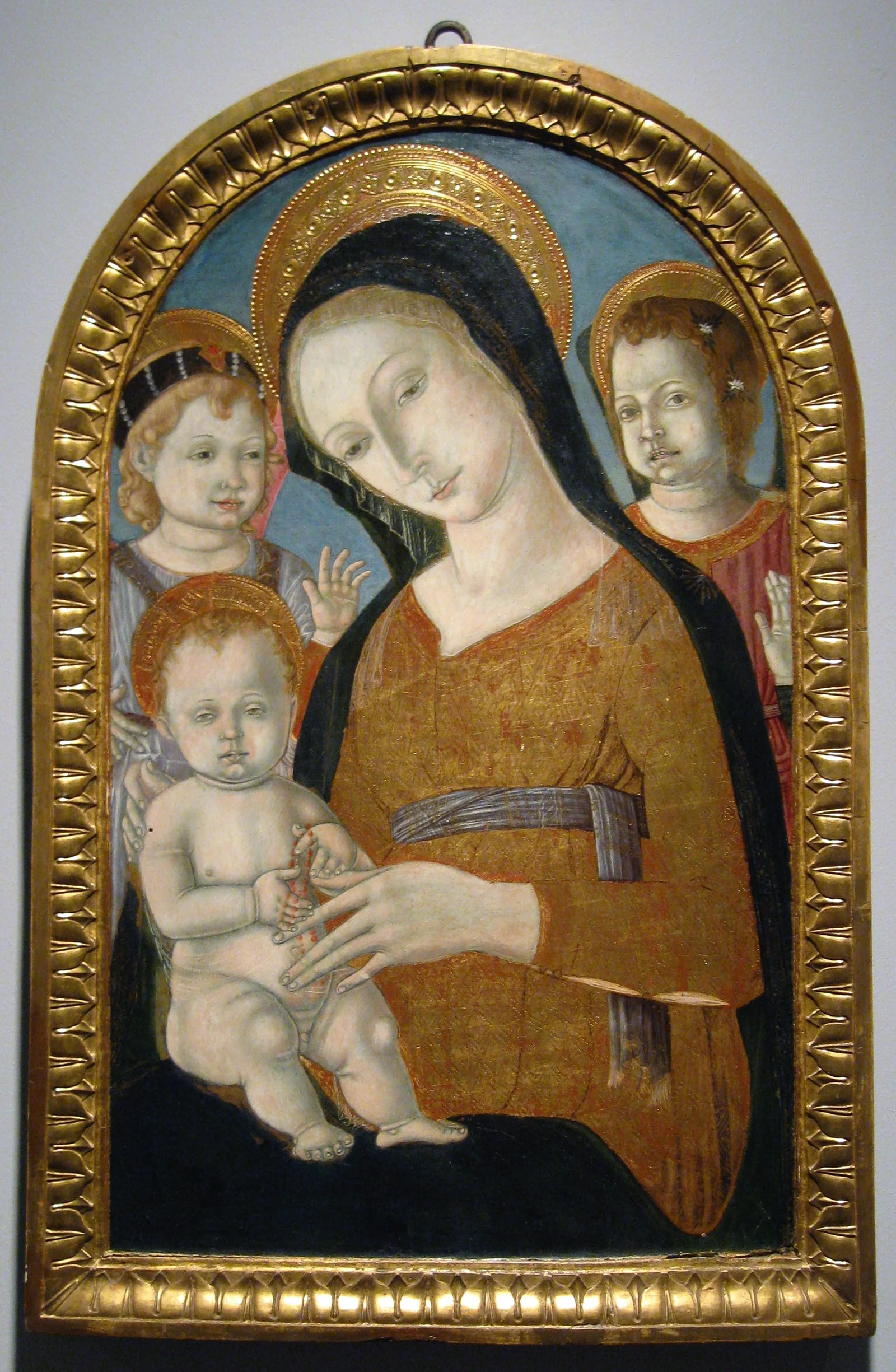
Correggio’s Holy Family with the Young Saint John the Baptist appears in the collection and official highlights route. Ask whether it is currently displayed before making it the centrepiece of your visit. In front of the painting, begin with the relationship between the figures rather than a checklist of art-historical facts. Where does your eye move first? Which gestures connect the people? What does a colour draw attention towards? Read the label afterwards, then return to the composition with that information in mind. Official collection record.
🎨 Saint Thomas by Velázquez
The museum dates Saint Thomas to 1619–1620, during Velázquez’s early career. Its record mentions the former attribution to Murillo, making it a useful introduction to how attributions can change. Look first at the figure’s presence and the effect of light, then read the explanation. A museum visit need not be a knowledge test. Spending a few minutes comparing the work with a neighbouring painting can make different artistic choices easier to recognise. The exact hanging may change, so follow current staff guidance. Read about Saint Thomas.
The pastel cabinet: a reason to slow down
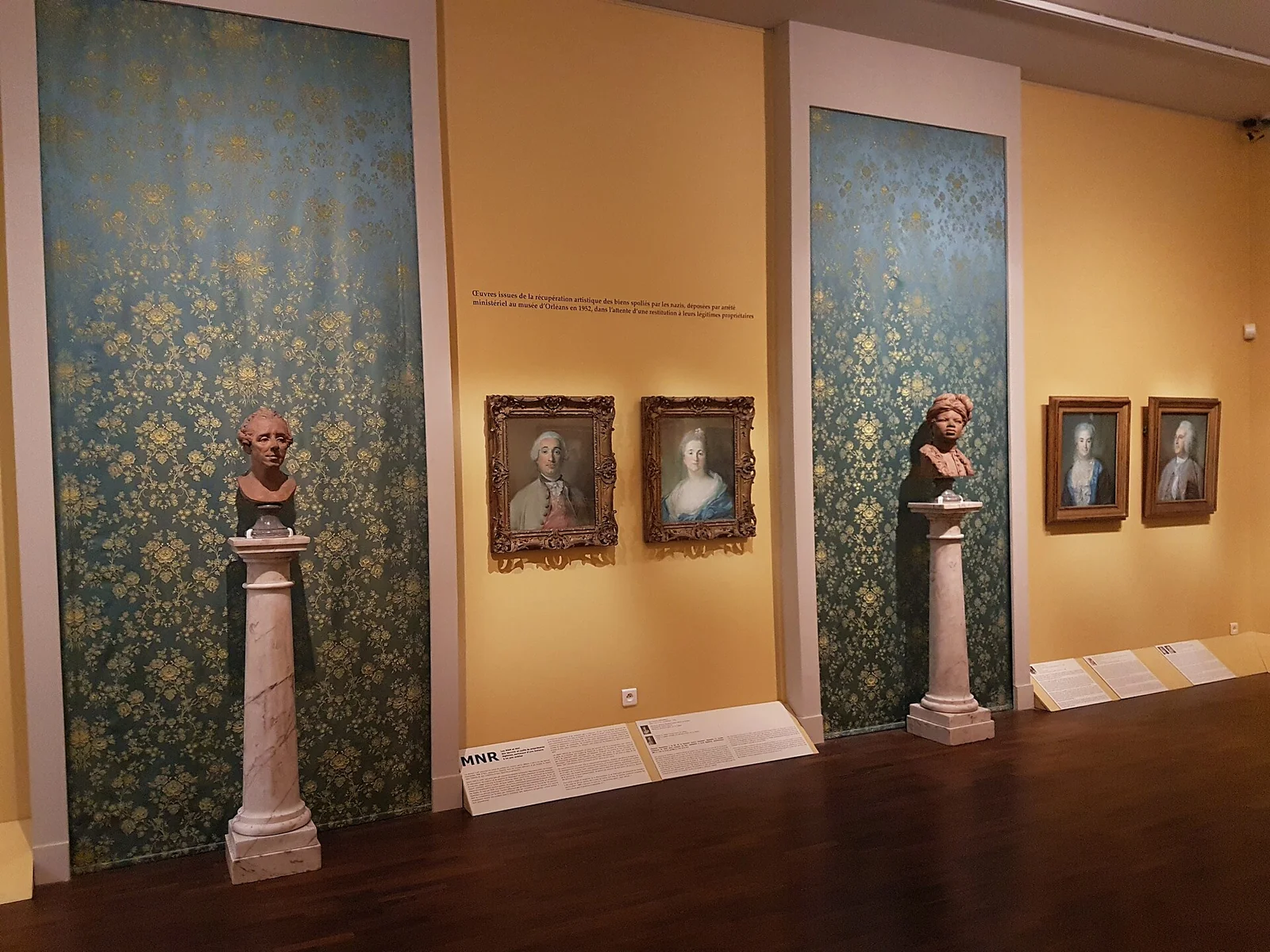
The pastel cabinet is a compelling reason to choose this museum. The official route includes Jean-Siméon Chardin’s Self-portrait with Spectacles, dated 1773, alongside works associated with La Tour and Perronneau. A pastel invites a different kind of attention from a huge religious canvas: marks of colour, the treatment of a face and the visual effect of the surface reward a more concentrated look. Respect viewing distances and conservation lighting. A discreetly lit room is not evidence of neglect; sensitive works on paper require particular care.
With Chardin, alternate an overall view and attention to smaller marks without pressing close to the protective glazing. The spectacles are an easy first landmark, but the portrait is more than that accessory. Compare the apparent texture with another portrait in the cabinet and ask what changes in the expression. The official self-portrait record allows you to continue the visit later, from your accommodation. A work’s presence in the online catalogue does not guarantee permanent display, however. If one pastel is the principal reason for travelling, confirm its current availability directly with the museum before setting off.
Finding Orléans within the collections
The collections do more than illustrate a broad history of art. Corot’s La Tour Saint-Paterne à Orléans, dated around 1830 by the museum, opens a conversation about the city as a landscape. Consider how roofs, masses and atmosphere can construct an urban view without merely listing recognisable monuments. That approach can change the way you look during a later walk. Do not try to overlay the painting mechanically onto the modern city: buildings, viewpoints and uses have changed over time.
The route also includes artists and scenes connected to Orléans, especially in nineteenth-century sections. Choose one local connection and ask what it reveals: birthplace, subject, donor or collector. The answer may be spread across several labels. Visitors unable to access the mezzanines can ask staff for an alternative selection retaining that local theme. The connection between a collection and a city is not limited to one room. Afterwards, use the Old Town walking guide to move from painted spaces to actual streets. The official Corot record provides further context without requiring you to read everything while standing in the gallery.
Opening hours, public holidays and exceptional closures
Published ordinary hours are Tuesday–Saturday, 10 am–6 pm, with Thursday opening extended to 8 pm, and Sunday, 1–6 pm. Galleries are cleared ten minutes before closing. A very late arrival therefore does not provide a full hour of viewing right up to the final minute. Monday is the normal weekly closing day. The specialist practical page also lists 1 January, 1 and 8 May, 14 July, 1 and 11 November, and 25 December among closure dates.
The city’s summary also mentions 15 August, whereas the specialist page consulted does not include it in the list. If that date matters to your trip, obtain confirmation instead of arbitrarily choosing one version. Exceptional orders, works and events can introduce other changes. A notice concerning an old October weekend is not an annual rule: read the date and current calendar. The museum’s practical page and reception on +33 2 38 79 21 83 are the useful places to resolve uncertainty. Check 11 November particularly carefully before assigning it as your main cultural day in an autumn itinerary.
Admission prices, free entry and the annual pass
The published full price is €8, with a €4 reduced rate and a €6 rate under specific agreements. The shared ticket is valid for one day at the Museum of Fine Arts, MOBE, Hôtel Cabu and Maison or Centre Jeanne d’Arc under the current conditions. Official ticketing lists free admission for visitors under 26 and reminds visitors that the first Sunday of each month is free for everyone. Valid proof may be required, and some concession categories are handled only at reception.
| Option | Price | Important detail |
|---|---|---|
| Shared full-price ticket | €8 | Valid for one day, not a week. |
| Reduced admission | €4 | Check eligibility and evidence. |
| Agreement-based individual rate | €6 | A specific entitlement, not a general discount. |
| Visitors under 26 | Free according to ticketing | Bring valid proof. |
| First Sunday of the month | Free | Sunday opening still begins at 1 pm. |
| Annual solo / duo pass | €15 / €25 | Valid date to date; exceptions apply. |
The annual pass may suit repeated visits on different days. Two full-price days cost €16 against €15 for a solo pass, an arithmetic comparison rather than an automatic recommendation for someone entitled to free admission. Particular activities can have separate terms. Check the official price page before purchasing, and keep the distinction between a one-day shared ticket and a year-long pass clear. A cheap admission choice is useful only if it matches the visit you will actually make.
Buying admission and reserving activities
- Check the date, opening arrangements and any free-entry entitlement first.
- Follow the museum website to official Orléans Métropole ticketing.
- Select ordinary admission or the exact activity. Independent viewing, workshops and guided visits are different products.
- Count visitors in the correct categories and read the evidence requirements.
- Check validity, any assigned time and modification conditions before paying.
- Keep tickets and proof available even without a mobile connection.
The ticketing page says a specific slot is not required for an ordinary individual visit; workshops and guided activities can require reservations. It also states that purchased tickets are not exchangeable, changeable or refundable under the published terms. If an applicable concession is absent online, ask reception before buying at full price. A booking does not cancel a gallery closure or override security rules. Groups should use the appropriate contact to discuss size, interpretation and access rather than simply multiplying individual tickets. Clear preparation avoids arriving with a purchase that does not match the experience you intended.
Three ways to build a worthwhile visit
🗺️ Around ninety minutes: choose deliberately
After the map and cloakroom, choose a small selection of earlier painting and the pastel cabinet if open. Ask reception for a simple connection between the stops. Spend real time with three or four works instead of covering every gallery. A final comparison with a neighbouring object can give the visit a satisfying direction. Leave room for circulation, lifts and the exit; these timings are planning suggestions, not a guaranteed schedule that works identically for everyone.
🎨 Two to three hours: a broader journey
Follow several chronological groups and take a proper break before moving to later collections. If the mezzanines are unsuitable for your mobility, ask for an alternative rather than dismissing the whole museum. A temporary exhibition can replace part of the permanent route instead of being added mechanically to an already crowded programme. The official highlights route is a starting point for choosing, not a demand to complete every work listed.
💡 A theme built around your interests
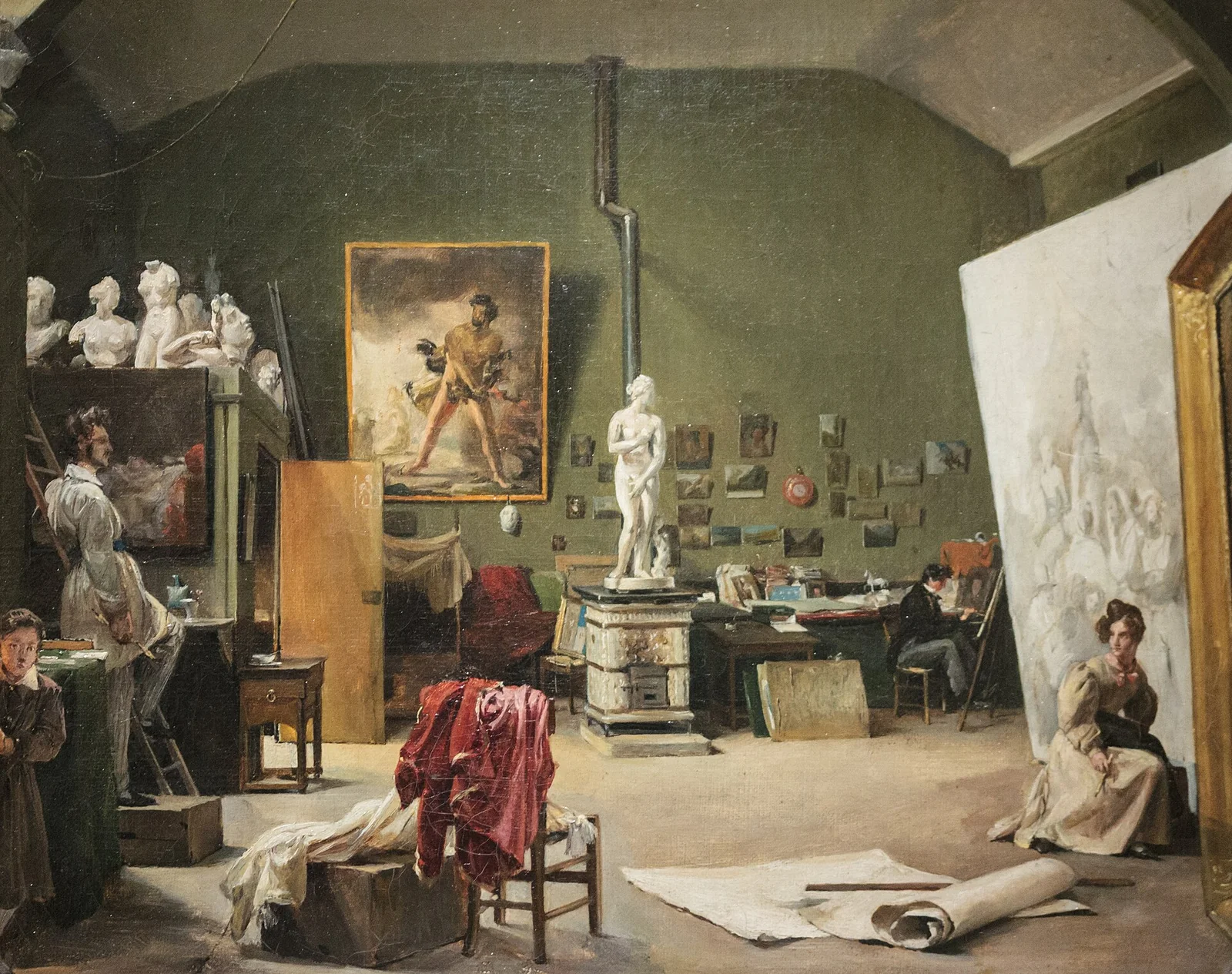
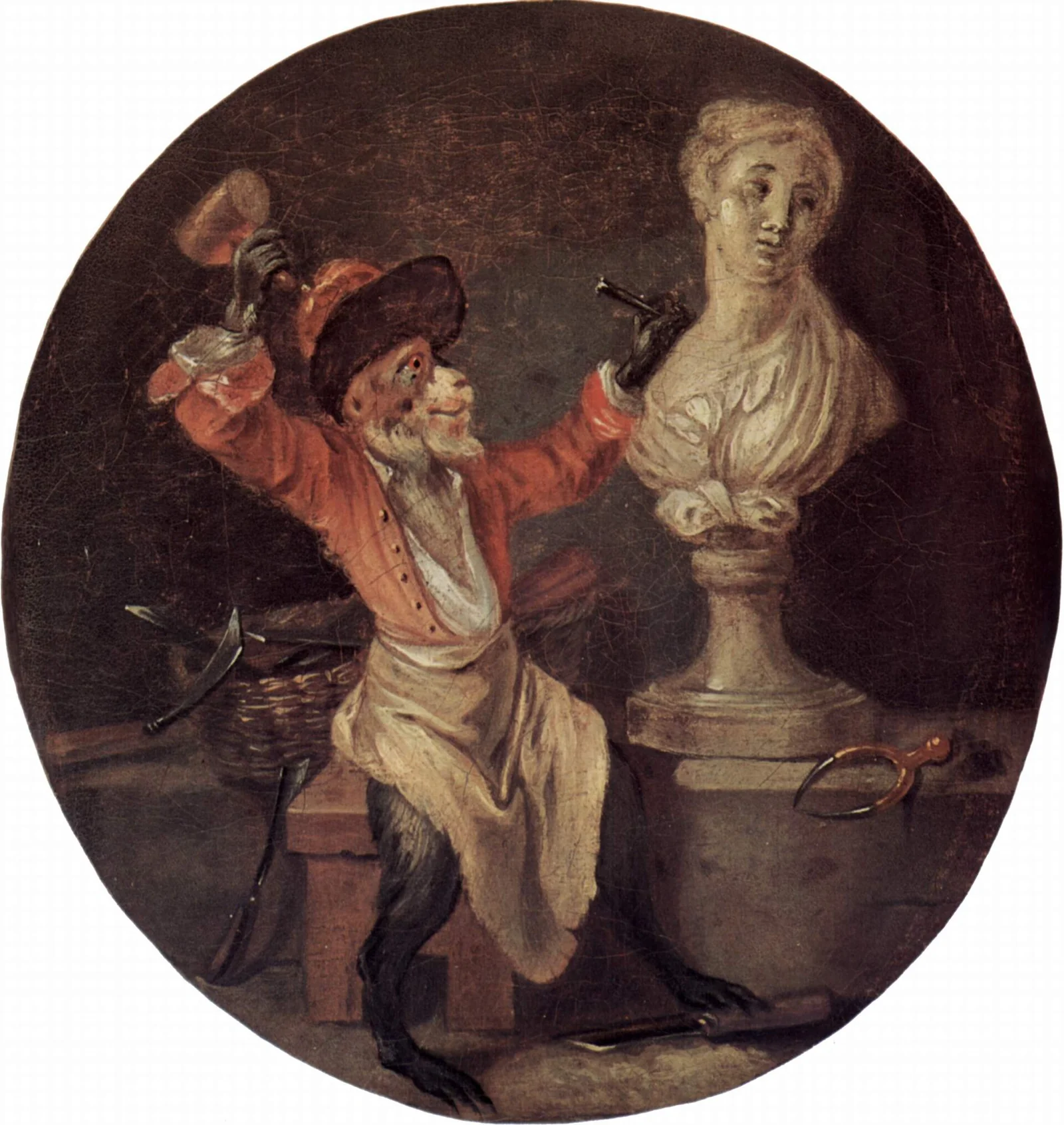
If centuries mean little to you, choose a concrete thread such as portraiture, landscape, gesture or the representation of an artist’s studio. Ask for two or three usable stops in currently open rooms. In a portrait, look at posture and objects before expression. In a landscape, compare the space given to sky, buildings and people. There need not be one correct answer; the useful skill is explaining an impression through something visible. In a mixed-interest group, each person can choose one work and briefly explain why. Agree on a shared rest and meeting place instead of scattering without a plan.
Visiting with children and teenagers
The museum offers activities for different ages, but each workshop has its own dates and conditions. The young-visitors page describes formats for smaller and older children as well as family visits. Look for the child’s actual age group rather than choosing a workshop purely because its time suits the adults. Being described on a website does not mean an activity takes place every day. A short independent visit is a perfectly good option and may work better with the rhythm of your trip.
In the galleries, try a light task: find a gesture, compare two colours or imagine the sound a scene might make. Teenagers may enjoy questions of attribution or provenance more than a sequence of dates. Explain conservation boundaries before entering: keep a suitable distance, speak quietly and follow photography rules. Arrange food and a break outside areas where eating is prohibited. A later walk beside Sainte-Croix Cathedral lets attention relax without imposing another long indoor visit. Stop while curiosity remains instead of measuring success by how many rooms the family has completed.
Mobility, the cloakroom and comfort
The practical page describes cloakroom facilities and lockers, with compulsory storage of backpacks and bulky belongings. Folding seats and two wheelchairs are available on request. Call if your visit depends on equipment, because an advertised quantity is not a personal reservation. Ask about pushchairs, larger luggage and permitted objects as well. A museum should not be treated as a universal storage solution for a large travelling suitcase. Leaving a few minutes for arrival formalities helps protect the time you wanted to spend with the art.
For reduced mobility, the decisive restriction remains the nineteenth-century mezzanine collections. Ask staff to describe accessible connections and a route that is genuinely usable. Someone who tires when standing may need different advice from a wheelchair user, so explain the actual requirement. Visitors sensitive to noise or crowds can ask about a quieter period, while families can establish which services are useful on arrival. These specific requests are more effective than assuming one identical route suits everyone. Leave time to reach the exit calmly before galleries are cleared, particularly when moving between levels takes longer than expected.
Photographs, labels and useful memories
Ask about current photography rules, particularly for temporary exhibitions. Permission for a personal photograph does not automatically authorise flash, tripods or commercial use. Follow signs and staff guidance. To remember the visit without spending it behind a screen, note one title and one question that the work raises. Where permitted, photographing a label may be more useful than taking dozens of poorly framed images whose identities you later forget. Keep the experience of looking separate from the impulse to record everything.
Read a label in three stages: look at the work first, identify artist, date and technique, then return to the detail that caught your attention. Information may change your first impression. Reading every text is not necessary; a carefully chosen handful can bring depth without exhausting concentration. The online collection records let you continue with provenance and background in comfort later. Always distinguish a collection object from an old exhibition listing before recommending it as definitely on display. A useful memory can be a conversation, a comparison or a new question rather than an entire phone gallery.
Connecting the museum with the rest of Orléans
Proximity to Sainte-Croix makes a compact cultural day possible. One approach is to visit the cathedral at a time compatible with worship, take a proper break and then enter the museum. The rooms of Hôtel Groslot offer another perspective on historic interiors and representations of power, with their own constraints including ceremonies. Do not promise uninterrupted access to all these places on the same day. Checking each operating schedule prevents a convenient location from becoming an overconfident itinerary.
The shared ticket may encourage a visit to the Maison de Jeanne d’Arc or another museum. Check differing opening hours and walking distances before trying to use every admission right. Savings matter only if the day remains enjoyable. After several hours looking at objects, a short walk along the Loire quays may suit you better than a third museum. For lunch, choose a nearby area using the Orléans food guide and reserve when the meal must fit a narrow window. Museums are easier to appreciate when food and rests are part of the plan.
Use a shared ticket without racing it
The right to visit several museums in one day does not oblige you to enter all of them. An €8 full-price shared ticket can make two participating museums useful without buying two separate admissions, but their hours must actually overlap. A smaller museum may open only in the afternoon during winter. Start with those constraints, then allow for a meal and walking. Two substantial hours at the Beaux-Arts and one chosen addition often provide more than four hurried stops. Admission buys access; the value of the trip depends on the attention you can give each place.
Common mistakes and the pre-visit checklist
Avoid arriving on Sunday morning, assuming every public holiday is open or confusing a workshop reservation with ordinary admission. An old exhibition calendar is not the current programme. The online catalogue helps preparation but does not guarantee an unchanging display. If pastels are your priority, do not leave them until concentration is exhausted. Identify the main purpose of your visit and let the rest support it rather than adding obligations that make the experience feel like work.
Official sources to keep available
Update your plan through the practical information, prices, annual pass and metropolitan ticketing. The floor guide, highlights route, young-visitors page and individual visits help refine the content. Details were checked on 10 November 2026. Call reception for a particular work, a specific access need or a date for which published information conflicts.
Frequently asked questions
How much time should I allow for the museum?
A selective 90-minute visit can include a few works and the pastel cabinet. Two to three hours allows a broader route. These are suggestions; open galleries, mobility and breaks affect the actual pace.
How much is admission?
Prices checked on 10 November 2026 list €8 full admission, €4 reduced and €6 under specific agreements. The shared ticket is valid for one day at participating museums. Check your entitlement before purchasing.
When is admission free?
Official ticketing lists free entry for visitors under 26 and for everyone on the first Sunday of the month. Other categories depend on evidence. Ordinary Sunday opening begins at 1 pm even when admission is free.
Do I need a time slot for independent viewing?
The ticketing page says no specific slot is required for an ordinary individual visit. Workshops and guided activities can have separate reservations. Read the exact product instead of assuming all visits work the same way.
Is every collection accessible to visitors with reduced mobility?
No. The specialist practical page states that nineteenth-century mezzanine collections are not accessible to visitors with reduced mobility. Ask for an adapted route. Folding seats and two wheelchairs are advertised on request, subject to availability.
Which works should I look for first?
The official route includes Correggio, Saint Thomas by Velázquez, Chardin’s self-portrait with spectacles and a view of Orléans by Corot. Confirm individual works before travelling because loans, conservation and rehanging can change what is displayed.
Is the annual pass different from the shared ticket?
Yes. The €8 shared ticket lasts one day. The advertised annual pass costs €15 for one person or €25 for a duo and runs date to date for a year under the stated exceptions. Compare it with free-entry entitlement and actual visiting days.
Which days need particular care?
Monday is closed and Sunday begins at 1 pm. Certain public holidays, including 11 November, are closed. Published pages differ about 15 August, so confirm that date and check exceptional closures before travelling.